
Solanum leaf curl virus
Begomovirus solanumkalakadaense
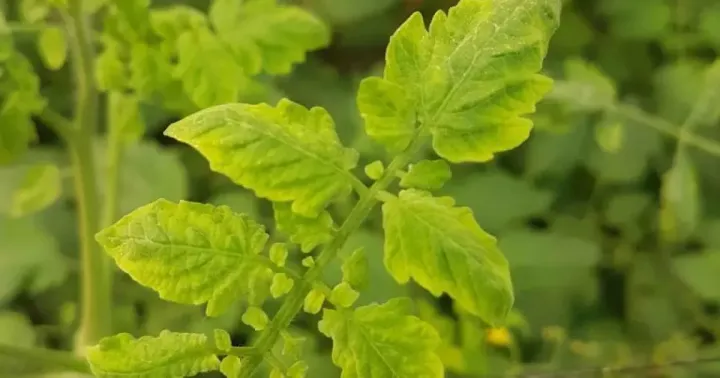
Description
Symptoms
The most distinctive symptom is the upward curling and crinkling of leaves. The foliage often becomes brittle, thickened, and may display yellowing or chlorotic patterns along the margins.
Plants affected by the virus exhibit significant stunting. Shortened internodes result in a bushy appearance, which is a classic indicator of severe systemic viral infection in tomatoes.
Flower formation is typically suppressed, leading to poor fruit set. Any flowers that do manage to form are often malformed and drop before they can develop into fruits.
Fruits that do develop on infected plants are small, misshapen, and have uneven maturation patterns. This leads to a substantial loss in marketability and overall crop yield quality.
Early-stage infection often results in total reproductive failure, meaning the plant will never contribute to the harvest. The symptoms intensify as the season progresses and the viral load increases.
Pathogen
The Solanum leaf curl virus is a member of the Begomovirus genus within the Geminiviridae family. It is a plant virus with a single-stranded DNA genome, known for its ability to cause severe symptoms in various Solanaceous crops.
The pathogen is highly specialized and relies on its vector for survival and dispersal. Its genome is engineered to modify the host plant's physiological processes, ensuring a stable environment for viral replication.
The primary vector for this virus is the whitefly (Bemisia tabaci). The virus is acquired through the insect's stylets while feeding on the phloem of infected plants and is then transmitted to healthy hosts.
Once inside the plant, the virus moves systemically throughout the vascular tissues. This systemic infection prevents the transport of photosynthates, which are crucial for the development of fruits and vegetative parts.
Genetic variability among different strains of Solanum leaf curl virus often complicates the breeding of resistant crop varieties, making management strategies essential for agricultural safety.
Conditions for development
The spread of the virus is directly linked to the population density of the whitefly vector. Warm and dry weather conditions are ideal for the rapid development and dispersal of these insects.
The presence of alternative host plants, particularly common weeds in the Solanaceae family, serves as a reservoir for the virus. These weeds allow the pathogen to persist in the ecosystem throughout the year.
High-density planting, especially in greenhouse environments with poor ventilation, promotes the rapid movement of whiteflies between plants, leading to widespread outbreaks.
Agricultural practices that do not prioritize the sanitation of tools, equipment, and clothing can also contribute to the accidental spread of contaminated vectors to new areas.
Late-season crops are particularly vulnerable if early-season crops in the vicinity were already infested, as the whitefly population reaches its peak by that time.
Why it matters
The Solanum leaf curl virus is considered a major economic threat to tomato production globally. Losses can range from minor yield reductions to total crop failure, depending on the timing of infection.
Because the virus disrupts the fundamental biological processes of the plant, including photosynthesis and nutrient transport, the physiological stress on the crop is immense.
Secondary infections often take hold of plants weakened by the virus, further complicating management and leading to additional losses in plant health and quality.
For large-scale producers, the presence of the virus in a field can lead to the quarantine of the affected area, preventing the marketing of products and causing severe financial strain.
The need for constant pesticide application to control the whitefly population adds to the environmental impact and production costs, reducing the overall profitability of the enterprise.
Protection
Effective control starts with managing the whitefly vector. This includes the use of systemic insecticides, yellow sticky traps for monitoring, and biological control agents like parasitic wasps.
Sanitation is paramount: removing and destroying infected plants as soon as symptoms appear is critical to reduce the inoculum load in the field.
Weed management should be a routine practice. Keeping the field edges and greenhouse surroundings free of Solanaceous weeds minimizes the reservoir of the virus.
Using physical barriers, such as insect-proof netting in greenhouses, is one of the most reliable ways to prevent the entry of vectors and protect the crop from infection.
Selecting tolerant or resistant cultivars, when available, is a key component of an Integrated Pest Management (IPM) strategy aimed at sustainable disease control.
Discussion
No discussions yet — be the first.