
Basidiomycetes
Basidiomycetes
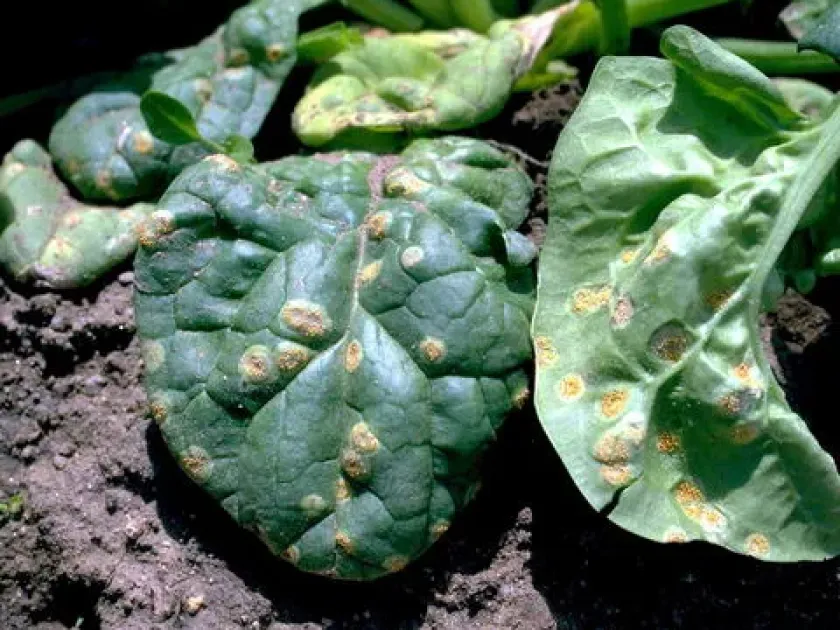
Description
Symptoms
The symptoms of Basidiomycetes infections are distinct and easy to identify. Rust diseases are named for the appearance of small, powdery pustules on leaves and stems, which range from bright yellow to dark brown or black.
Smut diseases are characterized by the replacement of host plant organs—typically the grain or flower heads—with a dark, dusty mass of fungal spores. The plant organ appears normal initially but ruptures to release the spores at maturity.
Common symptoms also include chlorosis (yellowing) of leaves, stem distortion, and stunted growth. Infected plants often show signs of early senescence and weakened structural integrity as the fungus drains nutrients.
Diagnostic field identification is often confirmed by the presence of a fungal mass that rubs off onto clothing or skin when touched. In severe cases, a subtle, moldy odor might be present in the field.
- Pustules on leaf surfaces and stems.
- Transformation of grain into black, dusty spore masses.
- Deformation of stems and seed heads.
- Premature yellowing and drying of foliage.
Pathogen
Basidiomycetes are a large class of fungi that includes the most significant plant pathogens in agriculture. This group is primarily responsible for rust diseases (Uredinales) and smut diseases (Ustilaginales) that affect various crops, including cereals and grasses.
The defining characteristic of this group is the production of basidia, specialized cells where sexual spores (basidiospores) are formed. These spores are the primary agents of infection, spread by wind over vast distances to infect healthy plants.
Basidiomycetes often have complex life cycles involving multiple spore stages and sometimes alternate hosts. This biological complexity makes it challenging to predict outbreaks and requires integrated strategies for disease suppression.
These fungi can persist in the soil, on crop residues, or on seeds. Once they land on a suitable host plant, the fungal mycelium penetrates the tissues, either through natural openings like stomata or by directly piercing the plant surface.
Due to their high genetic diversity and rapid evolution, new physiological races of these fungi frequently emerge, often overcoming the natural resistance of established plant cultivars.
Conditions for development
The development of rust fungi is heavily dependent on environmental conditions, specifically temperature and moisture. Leaf wetness, whether from dew, fog, or rainfall, is essential for spore germination and infection.
Smut fungi are particularly sensitive to environmental conditions during seed germination and early seedling development. Factors like soil temperature and moisture level determine whether the fungus can successfully infect the growing seedling.
Dense crop stands create a humid microclimate that significantly enhances the spread of spores between neighboring plants. Excessive nitrogen application can also make plants more succulent and vulnerable to fungal penetration.
Wind is the primary vector for long-distance dispersal of spores. This allows the disease to spread across entire regions within a matter of days if conditions remain favorable for the fungus.
Continuous cropping of the same susceptible species leads to the accumulation of spores in the soil, ensuring that the disease cycle is repeated year after year if no intervention occurs.
Why it matters
The primary damage caused by Basidiomycetes is the reduction of the photosynthetic capacity of the plant. As leaves become covered in pustules, the plant loses its ability to produce energy, resulting in decreased yield.
Smut infections directly destroy the crop's reproductive organs, leading to total yield loss on affected stalks. Even in partially affected fields, the overall grain quality is significantly lowered.
Infected crops often suffer from shriveled grain, reduced test weight, and compromised nutritional value. This makes the harvest less marketable and potentially unsuitable for human or animal consumption.
Certain Basidiomycetes produce mycotoxins that are hazardous to health. When these toxins accumulate in the grain, the entire lot may be condemned, causing severe financial losses for the producer.
Secondary effects of the infection include increased susceptibility to other biotic stresses, as the plant's natural immune system is compromised by the fungal invasion.
Protection
Effective management of Basidiomycetes involves a multi-pronged approach. Fungicide application during the vegetative stage is the standard practice for controlling rust, especially during wet growing seasons.
Seed treatment with systemic fungicides is the most critical step for preventing soil-borne and seed-borne smut infections. This provides protection during the most vulnerable early growth stages.
The use of resistant cultivars is the most sustainable and cost-effective management tool. Breeders continuously develop new varieties with improved genetic resistance to prevalent fungal races.
Crop rotation and field sanitation, including the destruction of crop residues and volunteer plants, are essential to break the disease cycle and reduce the local spore population.
Proper agronomic practices, such as optimizing plant density and nitrogen fertilization, help maintain a microclimate that is less conducive to fungal growth, thus reducing the reliance on chemical control.
Discussion
No discussions yet — be the first.