
Banana streak virus
Badnavirus iotavirgamusae
Description
Symptoms
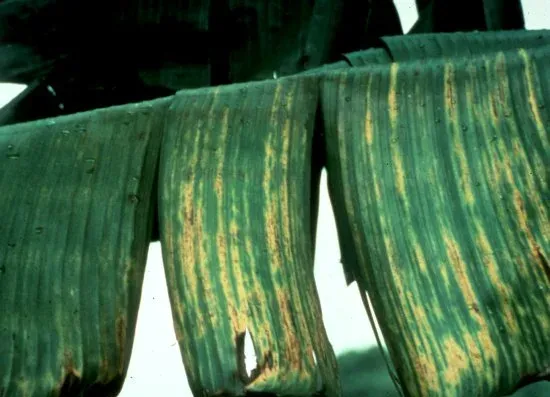
The hallmark symptoms include chlorotic streaks on the leaves. These streaks eventually transition into dark brown or necrotic black stripes running parallel to the veins.
In early stages, fine, thin streaks may be observed on the youngest leaves. As the leaf ages, these streaks expand and cover a larger portion of the leaf blade.
Affected plants often display stunted growth, reduced leaf size, and overall loss of vigor. The pseudostem may show signs of splitting or internal necrosis.
Fruit production is severely compromised, with bunches often becoming small, distorted, or failing to develop properly, rendering them unmarketable.
Diagnosis can be complicated by the similarity of symptoms to other physiological disorders, necessitating molecular methods like PCR for confirmation.
Pathogen
Banana streak virus (BSV) is the causative agent of this disease, belonging to the genus Badnavirus. It is a pararetrovirus containing circular double-stranded DNA.
A key biological feature of BSV is its ability to integrate its genetic material into the genome of the banana plant, making some infections latent and stress-activated.
The virus infects various cultivars of banana and plantain, causing systemic infection throughout the entire plant tissue, including roots, pseudostem, and fruits.
In the field, transmission is primarily achieved through the movement of infected vegetative propagules, which are commonly used for plantation establishment.
Additionally, mealybugs (e.g., Planococcus citri) act as biological vectors, transmitting the virus from diseased plants to healthy ones while feeding on sap.
Conditions for development
The expression of BSV symptoms is heavily influenced by environmental stress. High temperatures and fluctuating moisture levels often act as triggers for the virus.
Mealybug populations thrive in warm, dry conditions, facilitating the spread of the virus across the plantation during these periods.
Poor agricultural practices, such as lack of proper pest control or inadequate soil management, increase the susceptibility of the crop to viral activation.
The primary source of inoculum is infected nursery material. If the mother plant carries the virus, all its suckers will also be inherently infected.
Varietal resistance varies significantly, with some cultivars demonstrating high sensitivity to the stress-induced manifestation of the viral genome.
Why it matters
Banana streak virus causes substantial yield losses, which can range from 10% up to 90% depending on the severity of the infection and the specific cultivar.
The disease weakens the host plant, making it more vulnerable to secondary infections from fungi like Fusarium oxysporum and various bacterial rots.
Economic damage is twofold: the reduction in total marketable fruit and the long-term impact on the plantation's lifespan, requiring costly early replacement.
The presence of the virus complicates international trade, as countries often impose strict quarantine regulations on the movement of banana material.
Because there is no cure for the disease, infected plantations often represent a permanent loss of investment and high costs for containment.
Protection
The most reliable control strategy is the use of healthy, virus-indexed planting material derived from tissue culture laboratories.
Implementing a strict integrated pest management (IPM) program to control mealybug populations is crucial to prevent the secondary spread of the virus.
Regular phytosanitary inspections and the immediate roguing (removal and destruction) of symptomatic plants are essential to keep the viral inoculum low.
Avoiding the establishment of new plantations near old, infected blocks helps reduce the risk of transmission by vectors moving between areas.
- Adhere to strict quarantine protocols when sourcing plant material.
- Monitor plantations frequently for signs of stress and pest outbreaks.
- Provide balanced nutrition and irrigation to enhance plant resilience.
Discussion
No discussions yet — be the first.