
Banana streak virus
Badnavirus betavirgamusae
Description
Symptoms
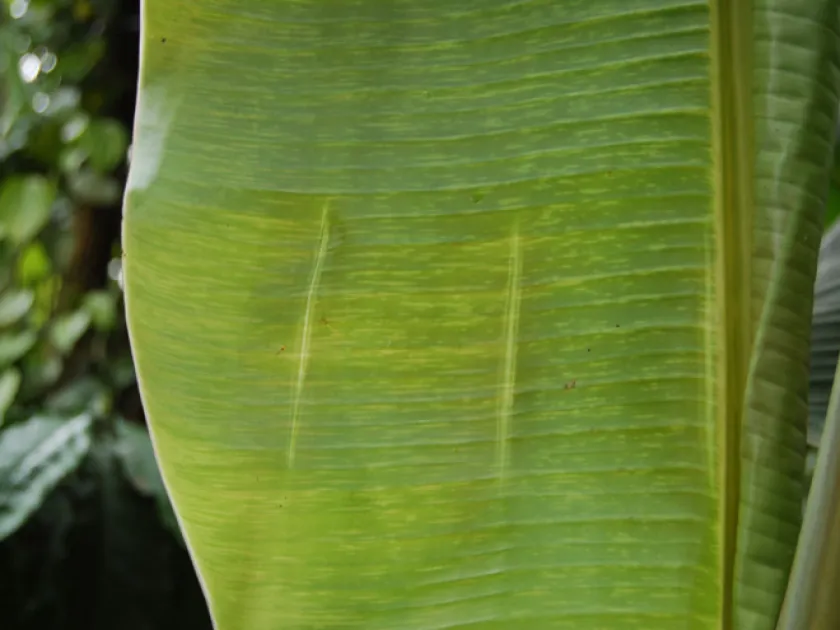
The hallmark of the disease is the appearance of chlorotic streaks on leaves. These streaks often turn dark or necrotic over time, following the parallel leaf veins.
Infected plants typically exhibit stunted growth, leaf deformation, and reduced bunch size. Severe infections can lead to premature leaf death and overall plant decline.
Fruit quality is significantly compromised, with many bunches appearing malformed, small, or unmarketable, leading to substantial economic loss for growers.
Symptoms are highly variable and often depend on environmental stress. Cold temperatures or drought conditions can exacerbate the appearance of streaks in previously latent plants.
Field diagnosis based on symptoms can be difficult, so molecular tests such as PCR are required to definitively identify the presence of the virus in samples.
Pathogen
Banana streak virus (BSV) is a member of the Badnavirus genus, characterized by a double-stranded DNA genome. It is unique due to its ability to integrate viral sequences into the banana genome.
These integrated sequences often remain latent, meaning they cause no harm until specific stressors trigger their activation and the subsequent production of infectious viral particles.
The virus is naturally transmitted by mealybugs (family Pseudococcidae), which vector the pathogen from infected to healthy plants. Transmission also occurs through contaminated planting suckers.
The virus affects numerous Musa species and cultivars. The susceptibility of a cultivar is often linked to its specific genome composition and environmental interactions.
Because the virus can be inherited from the parent plant through the genome, managing BSV requires sophisticated understanding of the plant’s genetic background.
Conditions for development
Viral activation is triggered by environmental stress. Factors such as extreme temperature fluctuations, water stress, or poor nutrition can stimulate the virus into an active state.
High populations of mealybugs promote the spread of the virus throughout the plantation, especially in tropical climates where these vectors can thrive year-round.
Inadequate agricultural practices, such as lack of proper fertilization or poor sanitation, weaken plant vigor and make them more susceptible to viral outbreaks.
The use of infected vegetative propagules is the primary way the disease spreads into new geographic regions or clean plantations.
Humidity and temperature play a critical role in the biology of vectors, thereby influencing the speed and severity of a viral epidemic within a cultivation area.
Why it matters
The primary damage caused by BSV is a dramatic reduction in fruit yield. Infections can decrease productivity by 30% to 50%, depending on the cultivar and the viral strain.
Economic losses are compounded by the loss of fruit marketability. Deformed and undersized bananas do not meet export standards, causing direct financial hits to producers.
Chronic viral infection shortens the productive lifespan of a banana mat, forcing growers to replant fields earlier than intended, which increases operational costs.
Weakened plants are more susceptible to other biotic stresses, including soil-borne pathogens and insect pests, further compounding the degradation of the plantation.
The cumulative impact of BSV, especially for small-scale farmers, can threaten the economic viability of banana cultivation in affected regions.
Protection
The foundation of BSV management is the use of disease-free, tissue-cultured planting material that has been verified through rigorous laboratory testing.
Effective control of mealybug populations using integrated pest management, including systemic insecticides and biological control agents, is essential to slow viral spread.
Early detection and prompt removal of symptomatic plants are critical steps to prevent the spread of the virus to adjacent, healthy banana plants.
Maintaining optimal soil fertility and irrigation practices helps plants avoid environmental stress, which in turn reduces the likelihood of latent virus activation.
Developing and selecting resistant or tolerant banana cultivars that prevent viral activation remains the most sustainable approach for managing Banana streak virus long-term.
Discussion
No discussions yet — be the first.