
Canna yellow mottle badnavirus
Badnavirus betamaculaflavicannae
Description
Symptoms
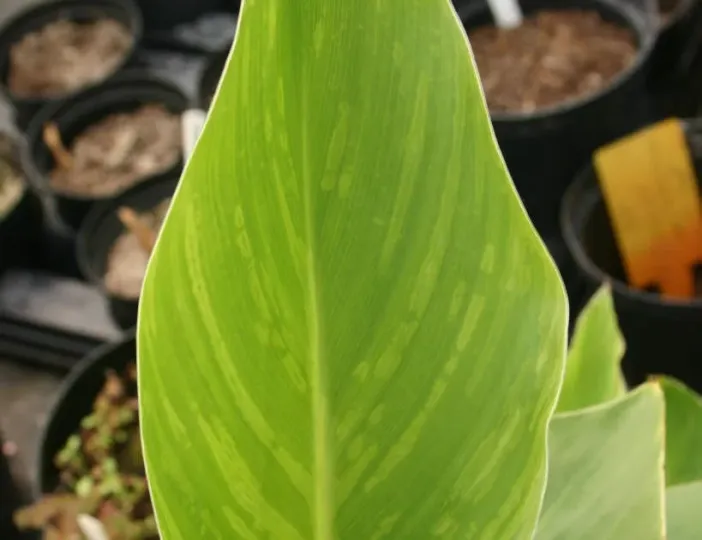
The characteristic symptoms of CYMV include the development of chlorotic spots, yellow streaks, or a complex mosaic pattern on the leaves that often follow the vein architecture.
Affected leaves frequently exhibit severe deformation, becoming puckered, crinkled, or twisted. This change in leaf morphology drastically diminishes the plant's aesthetic value and overall vigor.
Infected plants display significant stunted growth. They fail to reach their full varietal height and often appear thinner and weaker compared to healthy, robust plants grown under identical conditions.
Flowering is notably impaired, with plants producing fewer, smaller, or distorted blooms. In some cases, the color intensity of the flowers is significantly reduced or displays abnormal streaking.
Over time, the root system of infected plants becomes compromised. This reduced vitality makes the plants more susceptible to secondary infections, such as root rot caused by opportunistic fungi.
Pathogen
The causative agent of this disease is the Canna yellow mottle badnavirus (CYMV), a member of the genus Badnavirus within the Caulimoviridae family. It is a virus characterized by a circular double-stranded DNA genome.
The disease is classified as a systemic viral infection, specifically a type of mosaic or mottle. The virus infects the vascular tissues of the plant, disrupting internal physiological processes and nutrient distribution.
The primary host for this pathogen is the Canna lily (Canna indica). The virus typically persists in a latent state within the rhizomes, which allows it to remain viable and infectious over many years.
Transmission in the field is primarily facilitated by sap-sucking insects, such as aphids and mealybugs, which acquire the viral particles and introduce them into healthy tissues during feeding.
Human activities, including the vegetative propagation of infected rhizomes or the use of contaminated pruning tools, serve as the most significant pathways for long-distance viral dissemination.
Conditions for development
The spread and symptom manifestation of the virus are most prominent during the active growing season, when metabolic activity is high, facilitating viral systemic transport.
Warm and humid environments promote high populations of insect vectors, creating optimal conditions for the virus to move rapidly throughout a garden or nursery production area.
Poor cultural practices, such as excessive plant density, restrict airflow and create micro-environments that favor the concentration and mobility of sap-sucking pests.
The use of infected propagation material remains the primary driver for the persistence of CYMV. Since the virus resides in the rhizomes, new shoots from infected stock are almost always infected.
Lack of hygiene during plant maintenance is a major contributing factor. Using non-disinfected tools to trim or divide plants facilitates the transmission of sap-borne viruses between individuals.
Why it matters
The primary impact of the virus is the destruction of the plant's ornamental appeal. Since Canna lilies are grown primarily for their aesthetic quality, infected plants lose all value.
Chronic infection leads to the progressive decline of plant health. As the virus drains the plant's resources, it becomes unable to recover from environmental stresses like heat or cold.
The accumulation of the virus in stock collections poses a severe risk to breeders. An infected plant cannot be cured, necessitating the complete removal and destruction of the infected stock.
Economic losses in the horticultural industry can be substantial, as entire batches of nursery plants must be discarded upon detection of the virus to prevent further spread.
The virus limits the lifespan of the plant. Without proactive management, an infected collection can experience a total collapse in productivity and survival rates over a few seasons.
Protection
Strict phytosanitary practices are the most effective way to manage the disease. Any plant showing clear symptoms should be immediately removed and destroyed to minimize the inoculum source.
Always source and plant only certified, virus-indexed propagation material, which is produced through laboratory-tested meristem culture to ensure it is free from Badnavirus.
Implement an aggressive pest management program targeting sap-sucking insects. Regular applications of systemic insecticides can help manage the populations of vectors like aphids and mealybugs.
Standardize tool hygiene. Ensure all pruning shears, knives, and spades are disinfected using alcohol or professional-grade cleaning solutions between every single plant contact.
- Regular inspection and monitoring of all plantings for early signs of mottle.
- Weed management to eliminate alternative host plants that may harbor insect vectors.
- Isolation of any newly acquired plants from established collections until they are confirmed healthy.
Discussion
No discussions yet — be the first.