
Badnavirus
Badnavirus
Description
Symptoms
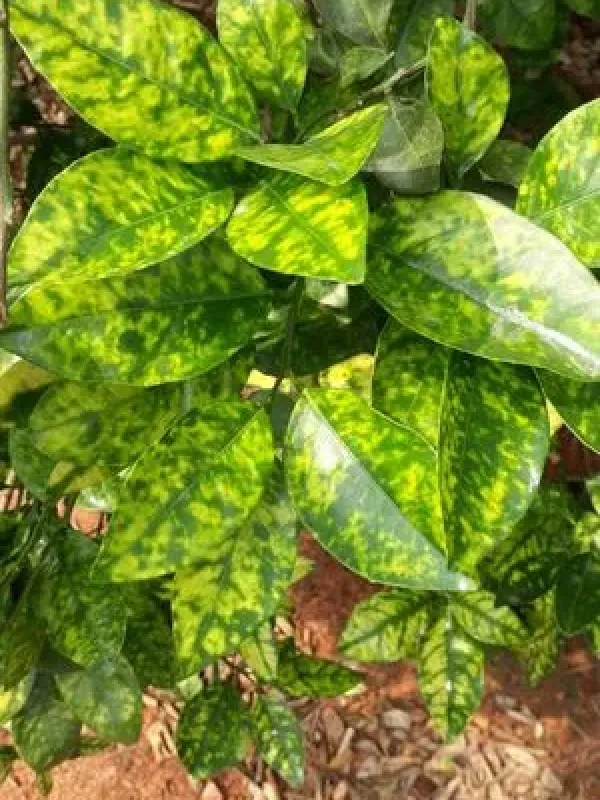
Infected plants typically display symptoms such as chlorotic streaks or mosaic patterns on leaves, which may vary depending on the host species.
Leaf curling, stunting, and overall growth retardation are common indicators of a badnavirus infection in field conditions.
Severe cases may result in tissue necrosis, leading to yellowing and death of the affected plant parts over time.
In fruit-bearing crops, badnaviruses can cause fruit deformation, poor development, and significantly lower yields.
- Yellow or pale streaks on leaves.
- Reduced plant vigor and stunted growth.
- Deformation of leaves and fruits.
- Decreased photosynthetic efficiency.
Pathogen
The Badnavirus genus belongs to the Caulimoviridae family and is characterized by a double-stranded DNA genome.
These viruses are named for their bacilliform (rod-like) particle shape, which is a distinctive morphological feature identified under an electron microscope.
A unique aspect of many badnaviruses is their ability to integrate their genome into the host plant's DNA, which complicates diagnostic efforts and disease eradication.
Badnaviruses cause systemic infections, meaning the virus moves throughout the plant's vascular system, affecting all tissues and organs.
They are responsible for significant diseases in various crops, most notably the Banana Streak Virus (BSV), which has a global impact on agriculture.
Conditions for development
Badnaviruses are primarily transmitted in the field by insect vectors, particularly mealybugs, which acquire the virus while feeding on plant sap.
The movement of infected planting material, such as rhizomes or cuttings, is the major pathway for the long-distance spread of these viruses.
Environmental stress factors, including extreme heat or water deficiency, can trigger the activation of the virus when it is already integrated into the plant genome.
High planting density promotes the rapid spread of insect vectors, thereby increasing the incidence of viral transmission within the field.
Insufficient quarantine measures during the international trade of plant material allow for the introduction of badnaviruses into new regions.
Why it matters
The economic impact of badnaviruses is severe, often resulting in significant yield losses for growers in affected areas.
Because the infection is systemic and chronic, it weakens the plant, making it more susceptible to opportunistic fungal and bacterial pathogens.
The loss of marketable quality in produce leads to financial losses, especially when crops are intended for export or local commercial sale.
Once a plant is infected, it cannot be cured, necessitating the culling of infected individuals to protect the rest of the crop.
Increased expenditures on pest control and surveillance for the vectors represent a constant financial burden for agricultural operations.
Protection
The primary prevention strategy is the exclusive use of virus-indexed, certified disease-free planting material for all new crops.
Rigorous management of insect vector populations, such as mealybugs, through chemical or biological control methods is essential to limit viral spread.
Any plant showing symptoms must be identified, removed, and destroyed promptly to prevent the infection from spreading to nearby healthy plants.
Strict adherence to quarantine protocols is vital to prevent the unintentional entry of infected materials into virus-free agricultural regions.
Developing and planting resistant crop varieties remains the most effective long-term strategy for managing the damage caused by badnaviruses.
Discussion
No discussions yet — be the first.