
Barley yellow dwarf virus
Avenavirus
Description
Symptoms
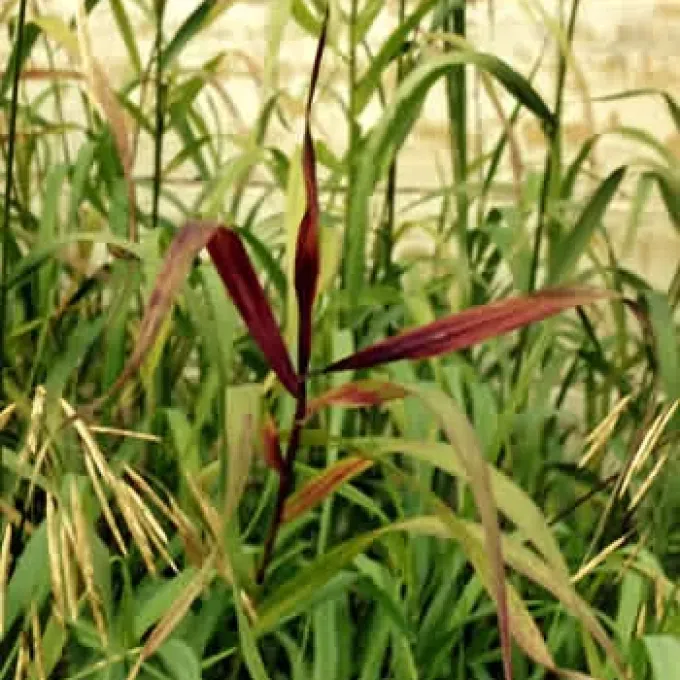
Symptoms often appear as discoloration of the leaves, typically starting from the tips and progressing towards the base of the leaf blade.
Severe stunting or dwarfing is the most prominent sign, caused by the shortening of internodes and reduced overall growth of the infected tiller.
The color of the discoloration is species-specific: oats often display red or orange leaves, while barley and wheat tend to show bright yellow or golden hues.
Plants affected by the virus often exhibit excessive tillering, resulting in a bushy, stunted appearance, while the leaves become thick, leathery, and brittle.
In cases of early-season infection, grain filling is severely compromised, leading to small, shriveled kernels or entirely sterile and empty heads.
Pathogen
Barley yellow dwarf virus (BYDV) is a member of the Luteovirus genus and is known as one of the most widespread viral diseases affecting cereal crops globally.
The virus is restricted to the plant's phloem tissue, where it replicates and spreads, causing significant physiological disruptions in the host plant.
It cannot be transmitted mechanically or through seeds; it is spread exclusively by several species of cereal aphids, such as the bird cherry-oat aphid and the English grain aphid.
The transmission is persistent, meaning an aphid acquires the virus after feeding on an infected plant and remains a vector for the rest of its life.
The host range is extensive, including major cereals like barley, wheat, oats, and rye, as well as many wild grass species that act as permanent virus reservoirs.
Conditions for development
The epidemiology of BYDV is tightly linked to the population dynamics and migration patterns of the aphid vectors throughout the growing season.
Mild and warm autumn temperatures favor aphid reproduction and survival, increasing the risk of virus transmission to emerging winter cereal seedlings.
Green bridges, consisting of volunteer cereals from the previous harvest and weeds, provide a continuous habitat for aphids and a source of inoculum.
High humidity and moderate temperatures create an environment that promotes both aphid movement and the long-term viability of the virus within the host plants.
Late spring or early autumn migrations of winged aphids are the critical periods during which the majority of infections typically occur in the field.
Why it matters
BYDV is globally recognized as one of the most economically damaging viral diseases in cereal production, causing substantial yield reductions.
The severity of yield loss is directly proportional to the stage of the plant at the time of infection, with earlier infections causing the greatest damage.
Infected crops are often more susceptible to secondary stresses, such as winter kill, drought, and other fungal root and leaf pathogens.
Besides quantity, the virus significantly degrades grain quality, reducing test weight and nutritional value, which impacts marketability and processing.
Large-scale outbreaks can lead to massive field losses, often requiring the complete destruction or early harvesting of the most severely affected patches.
Protection
Management strategies focus primarily on breaking the cycle of transmission between the aphid vectors and the susceptible young host plants.
Integrated pest management (IPM) is essential, combining cultural practices with chemical interventions to maintain aphid populations below damaging thresholds.
- Strategic timing of sowing to avoid the peak periods of aphid migration.
- Destruction of volunteer grain and grassy weeds to eliminate the green bridge.
- Application of systemic insecticide seed treatments to protect seedlings during the early growth stages.
- Use of resistant or tolerant cultivars developed through breeding programs.
- Monitoring aphid populations to time foliar insecticide applications accurately.
Regular field scouting for aphid presence and symptoms is critical for making informed management decisions and preventing large-scale virus spread.
Discussion
No discussions yet — be the first.