
Maize golden mosaic virus
Aureusvirus zeae
Description
Symptoms
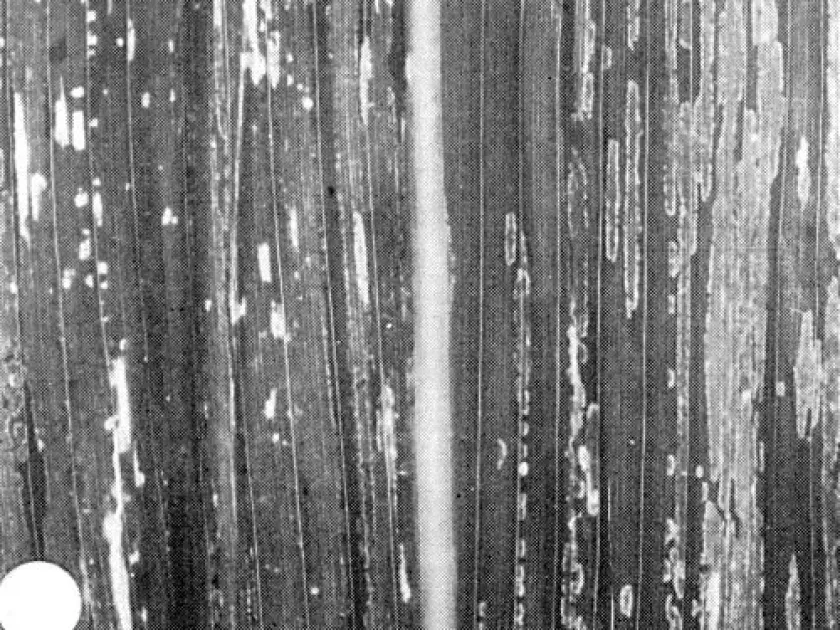
The primary symptom of this viral infection is the appearance of distinct golden or yellow mosaic patterns on the leaves, often manifesting as streaks or patches.
Infected maize plants exhibit significant stunting and reduced vegetative growth compared to healthy plants in the same field, resulting in a distorted architecture.
A common sign of severe infection is abnormal tillering, where the plant produces multiple weak side shoots that fail to develop into productive ear-bearing stalks.
The ear development is heavily compromised; ears are often small, misshapen, or completely barren, leading to a substantial reduction in kernel yield and quality.
Visual identification in the field reveals patchy distribution of affected plants, which stand out due to their chlorotic and sickly appearance against the healthy green crop.
Pathogen
The disease is caused by the virus Aureusvirus zeae, a specialized pathogen known to infect maize and related grass species through complex biological pathways.
This virus relies on specific insect vectors for transmission, making its epidemiology closely linked to the lifecycle and movement of these pest populations.
As an intracellular pathogen, it hijacks the plant's metabolic machinery to facilitate its own replication, subsequently interfering with essential physiological functions like chlorophyll production.
The virus particles are introduced into the plant tissues during the feeding process of insect vectors, allowing the infection to establish and spread systemically.
Understanding the molecular properties of this virus is crucial for developing diagnostic tools that allow early detection before the onset of visual symptoms.
Conditions for development
The spread of the virus is largely facilitated by warm and dry climatic conditions, which are ideal for the rapid reproduction and migration of its insect vectors.
The presence of wild grasses near the fields acts as a persistent reservoir for the virus, serving as a year-round source of inoculum for emerging maize crops.
Inadequate crop rotation practices that leave remnants or host plants in the field increase the probability of early-season infection from overwintering sources.
High population densities of the vectors, often seen in regions with overlapping planting dates, lead to accelerated disease transmission across large areas.
Specific environmental stressors, including drought, can weaken the maize plants, making them more susceptible to viral infections and subsequent rapid disease progression.
Why it matters
The economic impact of the virus is significant, as it leads to severe yield losses, often rendering the crop unsuitable for commercial processing or grain sales.
Reduced photosynthetic activity due to leaf chlorosis limits the plant's ability to accumulate biomass, which in turn results in poorly filled and lightweight ears.
Secondary infections are more common in virus-weakened plants, as the physiological barrier against other pathogens is significantly lowered by the viral load.
Farmers face financial strain due to the combined costs of pest control measures and the reduced market value of the low-quality harvested product.
In cases of early-stage infection, entire fields may suffer from drastic yield reductions, highlighting the need for aggressive preventative management practices.
Protection
Effective management begins with strict sanitation practices, including the removal of grassy weeds in and around the fields to eliminate potential viral reservoirs.
The adoption of resistant or tolerant maize hybrids is the most sustainable approach to minimize the risk and damage caused by this viral pathogen.
Timely application of insecticides targeted at known vectors during critical growth stages is essential to prevent the primary transmission of the virus.
Implementing proper spatial isolation between fields and diversifying crop rotations can help disrupt the virus transmission cycle and reduce overall pressure.
Continuous monitoring and early-season scouting are vital for the rapid identification of disease hotspots, allowing for targeted intervention before widespread infection occurs.
Discussion
No discussions yet — be the first.