
Aureusvirus
Aureusvirus
Description
Symptoms
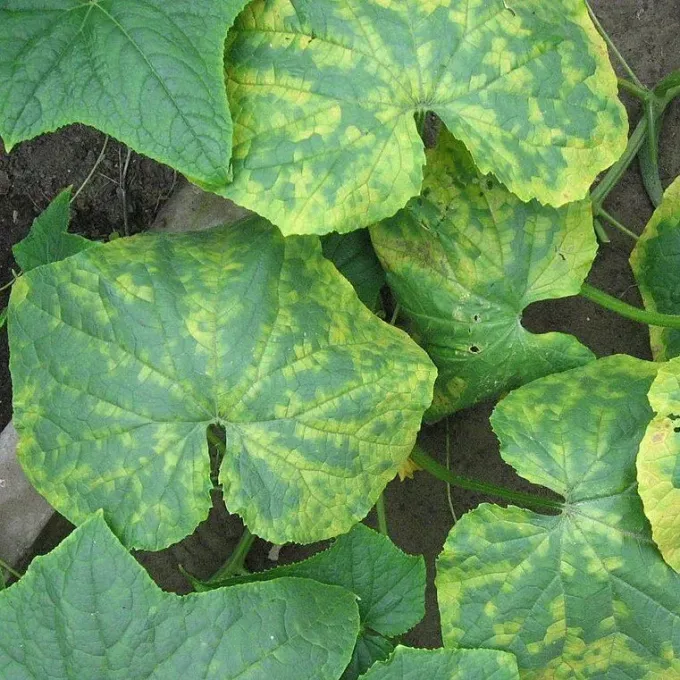
The primary symptom of an Aureusvirus infection is a distinct mosaic pattern on leaves. This manifests as yellow or bright green mottling, often resembling the appearance of Aucuba japonica foliage.
Infected plants frequently exhibit reduced vigor, stunted growth, and altered development of the internodes. The overall biomass of the plant is usually significantly lower compared to healthy specimens.
Leaves may show curling, puckering, and deformation. Severe infections lead to leaf yellowing (chlorosis) and, in some cases, necrosis of leaf margins or internal tissue spots.
- Mottled yellow and green leaf patterns.
- Leaf curling and deformation.
- Stunted shoot growth and shortened internodes.
- Blotchy or unevenly colored fruit skin.
Symptoms are most visible during periods of rapid growth. The intensity of these signs can fluctuate based on environmental temperature and the nutritional status of the host plant.
Pathogen
Aureusvirus is a genus of plant viruses within the Tombusviridae family. The type species, Tomato aucuba mosaic virus, is a well-known pathogen primarily affecting Solanaceae crops like tomatoes and peppers.
The pathogen consists of a single-stranded (+)RNA genome encapsulated in a non-enveloped icosahedral capsid. Its small, spherical structure, measuring approximately 30 nm, provides exceptional environmental stability.
As an obligate parasite, Aureusvirus relies entirely on host cell machinery to replicate. It hijacks the cellular synthesis pathways, redirecting resources to produce viral proteins and genomic copies.
Transmission occurs predominantly through mechanical contact. Human activities, including pruning, training, and harvesting, often create the micro-wounds required for the virus to enter plant cells.
Once inside, the virus moves systemically through the phloem. It infects tissues throughout the plant, including the roots, stems, and leaves, ensuring efficient proliferation within the host.
Conditions for development
Aureusvirus development is favored by temperatures optimal for the host plant's growth, as these conditions also accelerate the viral replication cycle within the infected cells.
High planting density increases the risk of viral spread. In crowded conditions, the chance of physical contact between infected and healthy leaves is significantly heightened.
Inadequate sanitation practices during agricultural operations are the main driver of disease transmission. Tools and equipment that are not disinfected can spread the virus across an entire field.
Weeds growing in or around the field act as viral reservoirs. These plants can harbor the virus even when the primary crop is not present, ensuring a persistent source of inoculum.
Plants under physiological stress, such as those with unbalanced nutrition or soil-borne nutrient deficiencies, are generally more susceptible to successful viral infection and symptom expression.
Why it matters
The primary harm caused by Aureusvirus is a substantial reduction in marketable yield. Infected plants often produce fewer, smaller, and deformed fruits, rendering them unfit for commerce.
Fruit quality is severely degraded by the virus. Patchy discoloration, surface blemishes, and irregular ripening patterns make the harvest visually unappealing and of poor quality.
Viral infection suppresses the plant's natural immune response. This makes affected crops significantly more vulnerable to secondary infections from fungi, bacteria, and other pathogens.
Economic losses arise not only from lower yield and quality but also from the increased labor costs associated with removing symptomatic plants and the potential need for premature field clearing.
Since the virus can persist in the soil and contaminated plant debris, it poses a long-term threat to subsequent crop cycles, necessitating rigorous soil management and sanitation.
Protection
The cornerstone of management is the use of high-quality, virus-free seeds and transplants. Sourcing material from reliable suppliers reduces the risk of initial field contamination.
Strict hygiene protocols are essential. All tools and equipment should be disinfected with appropriate antiviral solutions after each use to prevent mechanical transmission during routine care.
Effective weed management is necessary to remove potential host reservoirs. Maintaining a clean field perimeter significantly decreases the probability of the virus entering the crop.
Early detection and immediate roguing (removal) of symptomatic plants are critical to limiting the spread. Removed material should be destroyed rather than composted on-site.
Adopting sustainable crop rotation practices and ensuring balanced plant nutrition help boost natural resistance, keeping crops healthy and better equipped to survive localized viral challenges.
Discussion
No discussions yet — be the first.