
Astraeaceae fungi
Astraeaceae
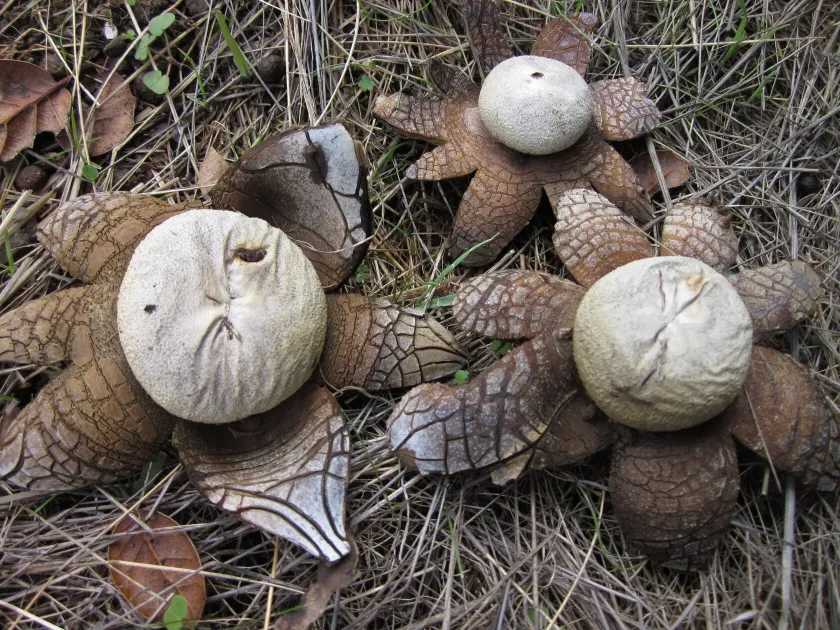
Description
Symptoms
The primary symptom of their presence is the emergence of distinctive star-shaped fruit bodies on the soil surface, particularly after rainfall.
Underground, the presence of these fungi manifests as dense mats of mycelium that may alter the soil structure and porosity.
Crops nearby might show signs of nutrient deficiency, such as chlorosis or stunted development, due to the competition for resources in the rhizospheric zone.
A noticeable change in soil texture, becoming more compacted or covered in a fungal web, often accompanies the colonization phase.
The release of spores creates a visible dust-like layer on the soil or lower leaves of the plants, which can negatively affect photosynthesis.
Pathogen
The Astraeaceae family belongs to the order Boletales and consists of fungi known as earthstars, which are primarily soil-dwelling organisms.
While often classified as saprotrophs, their mycelial growth can influence the subterranean environment where crop roots develop.
The most common representative, Astraeus hygrometricus, establishes a network in the soil that interacts with the surrounding organic matter.
The biological cycle of these fungi involves the production of spores that disperse to colonize new areas when environmental conditions become suitable.
Their interaction with plants is not typically parasitic, but their aggressive competition for soil nutrients and space can be detrimental to delicate root systems.
Conditions for development
Astraeaceae fungi thrive in well-drained, sandy soils that contain a significant amount of decaying organic matter or wood debris.
High humidity levels and consistent moisture are essential for the maturation and sporulation of the fruit bodies.
Shaded environments, such as dense orchards or poorly ventilated greenhouses, provide the perfect microclimate for their rapid spread.
Temperature ranges of 18-25 degrees Celsius facilitate optimal mycelial expansion throughout the upper soil layers.
Poor soil management, including excessive surface mulching with uncomposted material, creates a supportive environment for these fungi.
Why it matters
The main harm caused by these fungi is the depletion of essential minerals and nitrogen in the soil, which are diverted away from crops.
Physical obstruction by the fungal mycelium restricts root expansion and limits water uptake, leading to plant stress.
Disruption of the natural soil microbial balance can create opportunities for secondary pathogens to infect weakened plant roots.
Large colonies can interfere with standard agricultural practices, such as irrigation and mechanical weeding, reducing overall operational efficiency.
In high-value agricultural settings, their presence can lower product quality and aesthetic appeal, impacting marketability.
Protection
Effective control involves regular soil cultivation to disturb the fungal mycelium and improve aeration, which suppresses their growth.
Ensuring proper drainage and avoiding excessive moisture in the root zone are crucial strategies for preventing colonization.
Sanitation practices, such as removing decaying wood and fruit bodies before spore release, are highly recommended to reduce the inoculum.
The introduction of beneficial microorganisms, such as Trichoderma species, can help outcompete Astraeaceae and restore healthy soil ecology.
Maintaining balanced soil fertility through targeted fertilization prevents the accumulation of raw organic materials that these fungi prefer.
Discussion
No discussions yet — be the first.