
Plum pox virus
Asian prunus
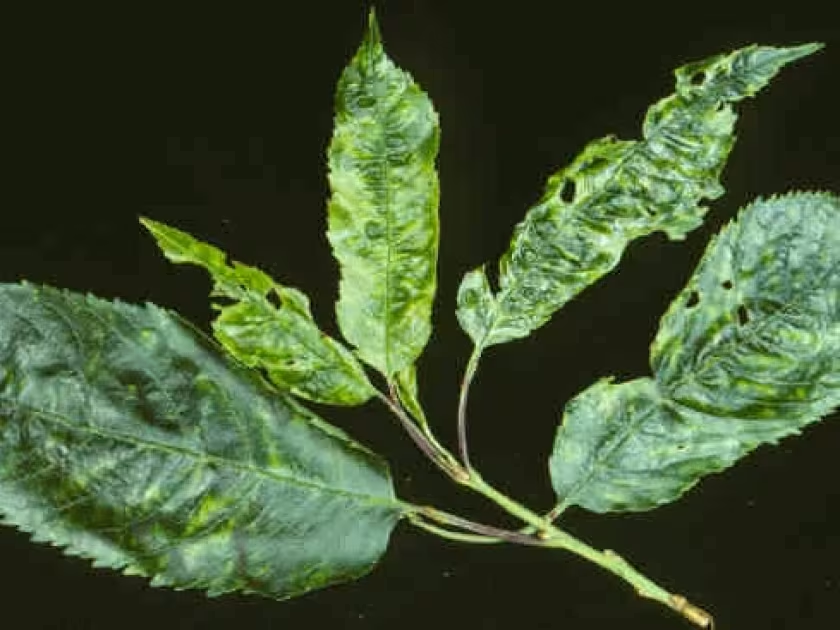
Description
Symptoms
Initial symptoms are often visible on leaves during the spring, presenting as chlorotic spots, pale rings, or vein banding, which are most apparent under diffuse light.
Fruits show characteristic symptoms such as circular spots, rings, or sunken pits, often accompanied by irregular coloring or deformations in the fruit skin.
Internally, the flesh of affected fruit often develops reddish-brown necrotic spots, causing a watery texture and poor flavor, rendering the fruit unsuitable for fresh consumption.
Severe infections frequently cause premature fruit drop, which significantly reduces total yield and compromises the quality of the harvested produce.
In some susceptible varieties, diagnostic symptoms can be found on the fruit stones, appearing as distinctive patterns that persist even after the fruit is removed.
Pathogen
The causative agent of the disease is the Plum pox virus (PPV), a member of the Potyviridae family, globally recognized as one of the most destructive viral pathogens of stone fruits.
It is a systemic disease, meaning the virus spreads throughout the plant's vascular system, affecting the physiological balance of cells and disrupting normal growth.
Transmission occurs primarily through aphid vectors in a non-persistent manner, as well as through infected vegetative propagation materials such as scions and rootstocks.
The virus possesses high genetic variability, leading to different strains that may exhibit varying degrees of virulence depending on the host variety and local environmental conditions.
It resides in the phloem tissue of infected trees, making it extremely difficult to eliminate without complete removal of the diseased plant material.
Conditions for development
Development and spread of the virus are heavily influenced by the presence of aphid vectors, which thrive in mild, warm spring temperatures.
The rate of secondary infection in an orchard depends on the population density of aphids; higher pest pressure significantly increases the incidence of viral spread.
In hot summer conditions, symptoms may become masked, making visual detection unreliable and allowing the virus to persist undetected within the orchard.
Movement of infected nursery stock is the primary cause of long-distance dissemination, often introducing new strains into areas previously considered free of the disease.
Proximity to unmanaged or wild stone fruit trees creates a reservoir for the virus, posing a constant re-infection risk to commercial orchards.
Why it matters
Plum Pox Virus causes massive economic losses, as the fruit produced by infected trees loses all commercial value due to aesthetic damage and poor quality.
The infection leads to reduced photosynthetic capacity, stunted growth, and a shortened lifespan of the tree, ultimately requiring premature orchard replacement.
Because the disease is incurable, entire blocks of productive trees may need to be eradicated to stop the spread, leading to significant capital losses.
Strict international phytosanitary regulations restrict the trade of plant materials from affected regions, imposing severe barriers on the stone fruit industry.
The presence of the virus negatively affects orchard sustainability by forcing growers to invest in expensive testing and control programs instead of production improvements.
Protection
The fundamental strategy for control is the use of certified, virus-free planting material, which ensures that new orchards start with healthy foundations.
Rigorous orchard surveillance and diagnostic testing, including ELISA or PCR methods, are critical for early identification and containment of infected trees.
Integrated Pest Management (IPM) is essential to minimize aphid populations during the peak seasons, thereby reducing the probability of viral transmission.
- Strict sanitation protocols for pruning tools, including disinfection with bleach or alcohol to prevent mechanical spread.
- Mandatory removal and burning of infected trees, including their roots, to eliminate any potential viral reservoirs.
- Development and planting of resistant or tolerant cultivars, which is the most sustainable approach for long-term management.
Cooperation between growers and agricultural authorities is vital for establishing buffer zones and implementing area-wide eradication programs in outbreak zones.
Discussion
No discussions yet — be the first.