
Ascochyta blight
Ascochyta hortorum
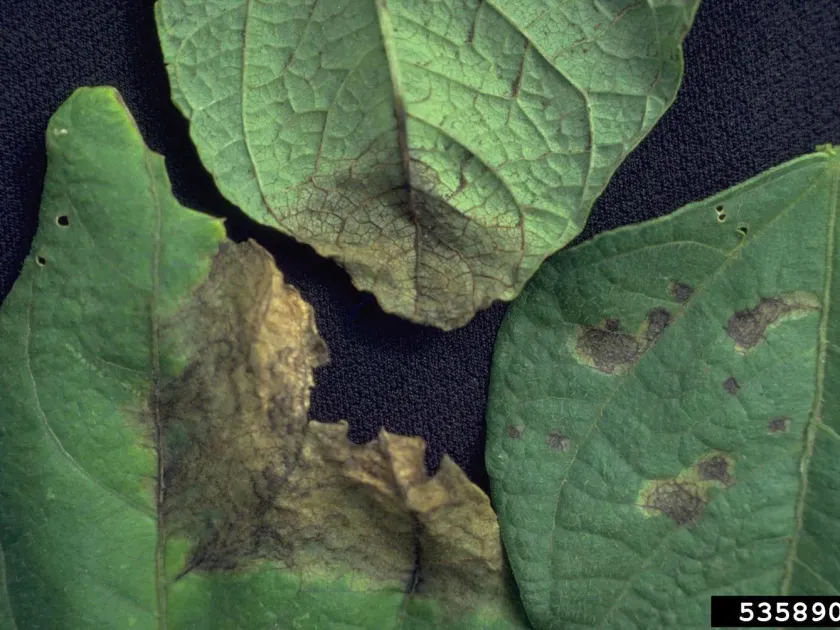
Description
Symptoms
The disease typically manifests as light brown, circular lesions on leaves, which often develop a distinct pale center as the infection progresses further.
Stem infections are particularly dangerous, appearing as water-soaked lesions that can girdle the stem, leading to the collapse of the entire vegetable plant.
A hallmark sign of the infection is the presence of tiny black dots—the pycnidia—scattered across the necrotic areas of the leaves, stems, and affected fruit.
Fruit symptoms include sunken spots that are often covered in a dark fungal growth, resulting in significant quality reduction and post-harvest decay.
Affected plants often show stunted growth, chlorosis of the lower leaves, and a generally wilted appearance, especially during peak fruit-setting phases.
Pathogen
Ascochyta blight is caused by the fungus Ascochyta hortorum, a member of the Deuteromycetes class that thrives in specific vegetable-growing conditions.
The fungus produces microscopic fruiting bodies known as pycnidia, which serve as the primary source of spore dispersal within the agricultural environment.
These spores can persist in soil, plant debris, and even on the surface of seeds, ensuring the survival of the pathogen across different growing seasons.
Once conditions become favorable, the fungal mycelium colonizes host tissues, absorbing nutrients and gradually causing structural damage to the plant cells.
Infection cycles are frequent under greenhouse conditions, where constant temperature and humidity allow the pathogen to reproduce almost continuously throughout the year.
Conditions for development
High relative humidity levels, typically exceeding 80 percent, are the primary driver for the germination of fungal spores and subsequent infection success.
Temperatures ranging from 20 to 25 degrees Celsius provide the optimal thermal window for the rapid multiplication of the pathogen in a controlled environment.
Poor ventilation within greenhouses leads to air stagnation and moisture accumulation, facilitating the movement of spores between healthy and infected plants.
Water splashing during overhead irrigation is a major vector for spreading spores from the soil onto the stems and foliage of the vegetable plants.
Stressed plants, whether due to nutrient imbalances or temperature fluctuations, are significantly more susceptible to establishing a successful infection.
Why it matters
The primary economic harm comes from the loss of photosynthetic capacity, which directly results in reduced yield quantity and poor plant development.
Stem girdling causes partial or total plant death, forcing growers to prematurely discard infected sections or entire greenhouse rows during the season.
The commercial value of the harvest is greatly diminished due to the unsightly lesions and the increased risk of secondary soft rot in storage.
Management costs increase significantly due to the necessity for intensive chemical treatments and enhanced sanitation procedures required to curb the outbreak.
The persistence of the pathogen in soil means that once an area is infected, future crops are at a high risk of contracting the disease if not managed properly.
Protection
The use of certified, disease-free seed is the most effective preventative measure to ensure that the pathogen is not introduced into the field or greenhouse.
Strict crop rotation practices should be implemented, alternating susceptible vegetable families with non-host crops to break the pathogen's life cycle.
Greenhouse sanitation, including the removal of all organic debris and disinfection of structures, is essential for minimizing carry-over between seasons.
Fungicide applications are recommended upon the first detection of symptoms to prevent widespread damage, utilizing systemic products for better efficacy.
- Maintaining proper plant spacing to ensure adequate airflow and reduce surface moisture.
- Implementing drip irrigation to keep foliage dry and reduce spore distribution.
- Monitoring environmental parameters and adjusting ventilation to prevent humidity spikes.
Discussion
No discussions yet — be the first.