
Arthrodermataceae fungi
Arthrodermataceae
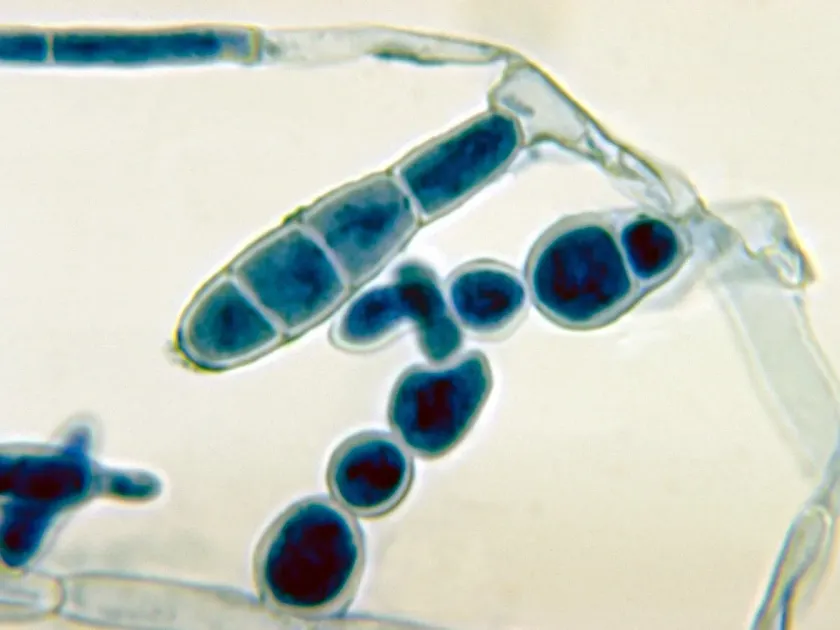
Description
Pathogen
Arthrodermataceae is a family of ascomycetous fungi primarily recognized for their keratinophilic nature. In agricultural settings, they are considered soil-inhabiting pathogens that can colonize organic debris and negatively interact with plant root systems.
These fungi are characterized by specialized structures such as spiral hyphae and arthrospores, which enhance their resilience and allow them to persist in diverse soil environments for long periods.
The biology of these organisms is deeply rooted in the degradation of complex organic matter, which can indirectly affect the stability of the soil-plant microbiome interface.
While often associated with animal hosts, their survival in agricultural soil makes them potential opportunistic pathogens that can exploit plant tissue if host stress occurs.
They contribute to the biological decay of organic mulch, but their overpopulation in the rhizosphere can lead to significant disturbance in the natural root-soil equilibrium.
Conditions for development
The proliferation of Arthrodermataceae is highly dependent on soil temperature, with optimal development observed in temperate conditions ranging from 20°C to 28°C.
Soil moisture levels play a critical role; excessive humidity promotes fungal spread, while alternating cycles of moisture facilitate the formation and distribution of spores.
The presence of nitrogen-rich organic waste in the soil provides a vital energy source that triggers the active vegetative growth phase of these fungi.
Soil pH acts as a selective factor, with these fungi generally favoring neutral or slightly alkaline conditions to maintain their competitive advantage over other soil microflora.
Human intervention, such as tillage and irrigation, plays a major role in the horizontal spread of fungal spores across the field, especially when equipment sanitation is neglected.
Why it matters
The primary harm caused by Arthrodermataceae to plants is the disruption of root function, as colonizing mycelia interfere with the uptake of essential nutrients and water.
This stress compromises the overall vigor of the crop, making it significantly more susceptible to secondary infections by root-rotting bacteria and other pathogenic fungi.
Competition for rhizosphere space leads to a decrease in the colonization of beneficial mycorrhizal fungi, which are essential for long-term plant health and immunity.
Visible symptoms often include stunting, chlorosis, and reduced biomass accumulation, which directly translate to lower yields and reduced harvest quality.
In cases of severe soil infestation, the accumulation of fungal metabolites in the root zone can prove toxic to sensitive seedlings, leading to reduced germination rates.
Protection
Integrated pest management (IPM) strategies, including strict crop rotation cycles, are essential to break the life cycle of soil-borne fungal pathogens.
Implementing deep tillage practices helps to bury organic debris, reducing the immediate food supply for these fungi and promoting the activity of antagonistic soil microbes.
The application of biological control agents, particularly Trichoderma species, has shown promise in suppressing the growth and establishment of Arthrodermataceae colonies.
Managing soil chemistry, specifically through liming, can create an unfavorable environment that restricts the reproductive capacity of these opportunistic fungi.
- Sterilization of farming equipment between different field sites.
- Rigorous testing and decontamination of organic amendments.
- Improvement of soil drainage to prevent stagnant moisture pockets.
Discussion
No discussions yet — be the first.