
Plum pox virus
Apricot stone pitting agent
Description
Symptoms
The first symptoms of infection appear on leaves as chlorotic spots, light bands, or characteristic ring-like patterns. These signs are most visible on young leaves during the spring under moderate temperatures.
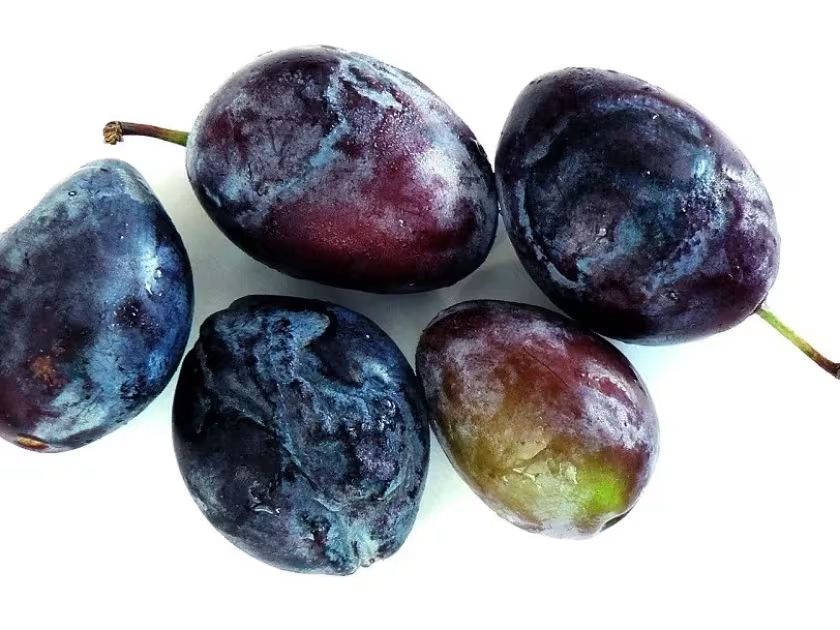
On fruits of plums, apricots, and peaches, the disease causes depressed spots, rings, or stripes of a lighter color. Over time, the affected tissue deforms, becomes bumpy, and loses its marketability.
The flesh of infected fruits often develops a reddish-brown discoloration and becomes insipid, watery, or fibrous. Such fruits frequently drop prematurely, failing to reach full maturity.
Specific symptoms also appear on the pits of the fruits, manifesting as clear, light-colored patterns. This characteristic is widely used by pathologists as a diagnostic tool to identify the infection.
- fruit deformation;
- chlorotic leaf patterns;
- premature fruit drop;
- poor taste and texture;
- general tree growth decline.
Pathogen
The causal agent of Plum pox virus (PPV) is a member of the Potyvirus genus. This virus is one of the most devastating pathogens affecting stone fruit trees, capable of causing total crop failure in infected orchards.
The virus particles are filamentous and are transmitted primarily by aphids in a non-persistent manner. This means that a vector insect acquires the virus during brief probing of an infected plant and immediately transmits it to a healthy one.
Beyond insect vectors, the disease is spread through the use of infected budwood or rootstock during propagation. Mechanical transmission via contaminated pruning tools is also a significant risk if equipment is not properly sanitized.
Once inside, the virus infects the phloem tissues, causing a systemic infection throughout the entire plant. Gradually, the pathogen spreads to all organs, including roots, branches, and fruits, leaving the tree chronically infected.
In nature, the virus survives within the tissues of perennial host trees, which serve as reservoirs of infection in the landscape. Outside of the plant tissue, the virus loses its viability very quickly.
Conditions for development
The development of the virus is favored by moderate air temperatures. During hot weather, the visual symptoms on leaves may temporarily fade, but the virus remains active and systemic within the plant tissues.
Massive spread of the infection is directly linked to the activity of aphids, which act as the primary vectors. High pest populations at the start of the growing season critically increase the risk of infecting healthy trees.
The intensity of disease spread within an orchard increases if there are neglected or abandoned stone fruit trees in the vicinity. Such sites serve as primary infection reservoirs.
Violations of good agricultural practices, particularly the use of uncertified nursery stock, are the main conditions for the introduction of the disease into young orchards.
Secondary transmission occurs when sanitation protocols for pruning and grafting are ignored, as contaminated tools facilitate the transfer of virus-laden sap from an infected tree to a healthy one.
Why it matters
Plum pox is considered an extremely destructive disease because there is no known cure for infected trees. Once a tree is infected, it remains a source of the virus for its entire life.
The virus causes a sharp decline in fruit quality, rendering the produce unsuitable for fresh market or industrial processing. Crop losses in heavily infected orchards can reach 100%.
Trees affected by the virus gradually lose vigor, become more susceptible to secondary pathogens, and eventually die prematurely, necessitating the removal of entire blocks of trees.
Economic damage includes not only the loss of current production but also the high costs of tree removal and replanting, which imposes a significant financial burden on commercial growers.
The presence of the disease in a region triggers strict quarantine regulations, which restrict the export and trade of fruit products, severely impacting the profitability of the agricultural sector.
Protection
The primary control strategy involves strict adherence to quarantine measures: using only certified, virus-tested propagation material from reputable nurseries.
If infected trees are detected, they must be immediately rogued, removed with their root systems, and burned. This is the only effective way to stop the spread of infection within the orchard.
Continuous monitoring of aphid populations and other sucking vectors is essential, applying authorized insecticides for control during critical periods of the growing season.
Regular disinfection of all tools used for pruning and grafting is crucial. Solutions of ethanol or sodium hypochlorite are effective at inactivating virus particles on equipment.
Establishing spatial isolation between new orchards and older, potentially infected plantations is an effective preventative measure to protect young trees from virus pressure.
Discussion
No discussions yet — be the first.