
Apricot ringpox
Apricot ringpox
Description
Symptoms
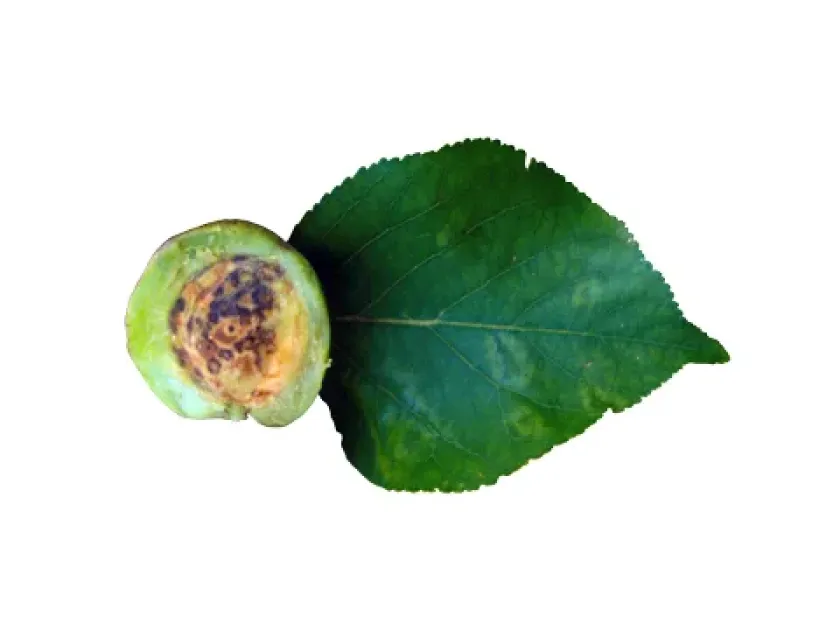
Early symptoms are most visible during the fruit ripening phase, manifesting as ring-shaped or depressed spots on the skin of the apricots. These areas often appear lighter in color and may cause local tissue distortion or skin puckering.
Foliage symptoms include chlorotic spotting, which often forms intricate rings or zigzag patterns along the leaf veins. In severe cases, the leaves may become misshapen or wrinkled, reflecting significant physiological stress within the plant.
The flesh of affected fruits often exhibits signs of necrosis or hardening in the areas underneath the skin spots. This renders the fruit unmarketable due to both poor visual appearance and inferior taste quality compared to healthy specimens.
On the bark, the disease can cause necrotic lesions that may eventually crack or weep. These open wounds often become entry points for opportunistic fungal pathogens, further complicating the decline of the infected tree.
It is important to note that symptoms can vary significantly between different cultivars and environmental conditions, meaning that mild cases are sometimes overlooked until the tree's health begins to decline visibly.
Pathogen
The causal agent of this disease is the Apricot ringpox virus, a pathogen that affects stone fruit species by systematically colonizing the plant tissues. It disrupts metabolic processes and weakens the tree's overall structural integrity from within.
The virus is primarily transmitted through infected grafting materials, making the selection of high-quality, virus-free nursery stock the most critical step in disease prevention. Infected scions or rootstocks serve as the primary source of long-term contamination.
Mechanical transmission is another significant concern, as the virus can be spread via pruning tools, knives, and saws if they are not thoroughly disinfected after each use. The sap of the infected tree effectively carries the pathogen to healthy tissues during maintenance work.
While certain soil-borne nematodes can act as vectors for the virus, the movement of plant material remains the most dangerous factor for geographic spread. Once a tree is infected, the virus becomes a systemic resident that cannot be eradicated by traditional chemical sprays.
Research suggests that the virus remains active in the tree's vascular system throughout its entire life cycle, gradually reducing the host's capacity to transport water and essential nutrients effectively.
Why it matters
The primary economic impact is the loss of commercial fruit production, as infected harvests are unsuitable for fresh consumption or processing. This leads to a substantial decline in farm profitability over several seasons.
Apricot ringpox contributes to a progressive weakening of the entire tree, making it more susceptible to drought, winter injury, and secondary pest attacks. This reduced vigor often forces growers to remove trees long before their natural lifespan ends.
In intensive orchards, the presence of the virus necessitates increased expenditures on diagnostics and protective measures. If left unmanaged, the virus can spread throughout the entire plantation, causing widespread failure.
The disease undermines the long-term viability of the orchard, as replacement plantings are equally at risk if they are exposed to the pathogen through shared soil, equipment, or vectors.
Ultimately, the damage caused by the virus is cumulative, leading to the gradual depletion of the orchard's resources and the eventual necessity of removing all infected trees to contain the outbreak.
Protection
The foundation of effective management is the exclusive use of virus-free, certified planting material. Growers should only source trees from reputable nurseries that employ rigorous pathogen-screening protocols, such as meristem culture.
Strict sanitary practices are essential, including the disinfection of pruning equipment with appropriate alcohol-based or bleach solutions between every individual tree. This simple practice significantly lowers the risk of mechanical transmission.
When an infected tree is identified, it should be promptly removed, including its root system, to eliminate the reservoir of the virus. Prompt removal and destruction of symptomatic trees are critical to protecting the surrounding, healthy orchard.
Managing soil conditions and controlling potential vectors like nematodes helps minimize secondary transmission pathways. A clean orchard environment is key to maintaining healthy tree growth over the long term.
Regular monitoring and documentation of tree performance are recommended for all growers. Detecting the virus at the earliest possible stage allows for targeted removal and prevents the disease from establishing a permanent hold in the orchard.
Discussion
No discussions yet — be the first.