
Apricot pucker
Apricot pucker leaf agent
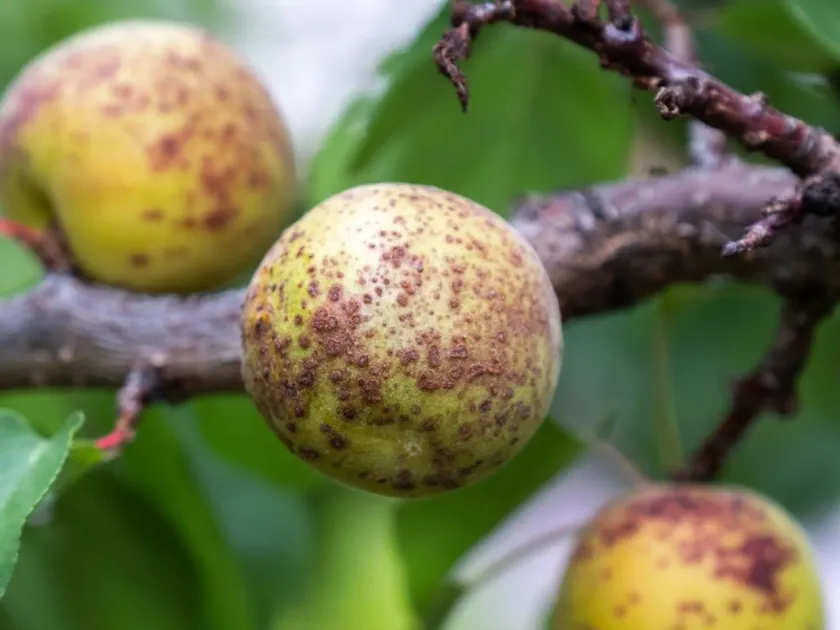
Description
Symptoms
The primary symptom of Apricot pucker is the appearance of characteristic indentations, dimples, and wrinkles on the surface of ripening fruits.
The skin of affected fruits often changes color, appearing paler than normal or developing reddish-violet spots in the areas of deformation.
The flesh beneath the deformed areas loses its juiciness, becoming hard, fibrous, and often developing a bland or unpleasant taste.
Leaves on infected trees may display specific chlorotic spots, ring-shaped patterns, or general curling of the leaf blade during the growing season.
Visually, the tree appears stunted, showing reduced vigor and slower growth of new shoots, which indicates a systemic decline in plant health.
Pathogen
Apricot pucker is considered a viral disease, frequently associated with the Plum pox virus (PPV), which belongs to the genus Potyvirus.
This pathogen acts as a systemic virus that propagates throughout all plant tissues, including the vascular system, making it difficult to eradicate.
The virus is primarily transmitted through infected scion and rootstock material during the grafting process in orchards or nurseries.
Insect vectors play a crucial role in the dissemination of the pathogen, particularly various aphid species that feed on the sap of infected trees.
According to current agronomic research, seeds and pollen have a negligible impact on the transmission of this specific viral pathogen.
Conditions for development
Disease development is most intensive in regions with high activity of sucking insects, particularly during warm and dry periods of the year.
The main factor for the spread of the infection is the use of non-certified planting material that has been contaminated in nurseries.
Negligence regarding phytosanitary controls during the movement of seedlings between regions facilitates the rapid spread of the virus to new areas.
Mechanical injuries to the bark and roots during orchard maintenance can create entry points for the virus if tools are not properly sanitized.
Tree immunity also plays a role, as trees growing in poor soil conditions or lacking proper care are more susceptible to the expression of symptoms.
Why it matters
The main damage is the total loss of marketability, as deformed fruits cannot be sold or used for industrial processing.
The disease causes a sharp decline in flesh quality, rendering the fruits completely unsuitable for fresh consumption or commercial use.
Prolonged viral infection exhausts the tree, often leading to premature fruit drop before the harvest reaches maturity.
Infected trees serve as constant reservoirs of the virus, posing a significant threat to neighboring healthy apricot and other stone fruit plantings.
Over the long term, Apricot pucker leads to the progressive dieback of branches and the eventual death of the entire tree.
Protection
The most effective strategy is the strict observance of quarantine measures and the use of certified virus-free planting material.
It is essential to promptly identify and remove infected trees showing signs of fruit deformation to prevent further dissemination.
A crucial part of disease prevention is the planned control of insect vectors, especially aphids, through the timely application of insecticides.
All pruning tools must be thoroughly disinfected with alcohol or chlorine-based solutions after working with each individual tree.
The adoption of resistant apricot varieties, developed through breeding programs, is recommended for long-term orchard protection.
Discussion
No discussions yet — be the first.