
Apple star crack
Apple star crack agent
Description
Symptoms
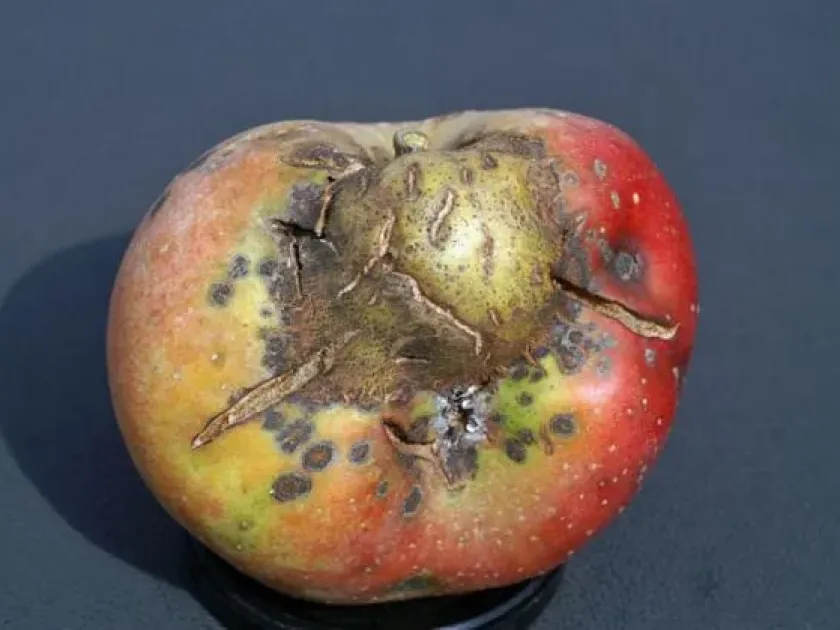
The most distinctive symptom of Apple star crack is the presence of star-shaped, sunken lesions on the surface of the fruit. These areas of localized tissue death appear as the fruit develops and are often surrounded by areas of restricted growth.
As the fruit matures, the skin in the affected areas often cracks, creating deep fissures that ruin the appearance and structural integrity of the apple. The flesh underneath these lesions typically becomes corky, hardened, and tasteless.
In addition to fruit symptoms, infected trees may show signs of overall decline. This includes reduced annual shoot growth, thinning of the canopy, and sometimes chlorotic or curled leaves, although these vegetative symptoms are often subtle and inconsistent.
Some susceptible varieties may exhibit bark cracking or necrotic spots on the branches, resembling damage from cold weather. This condition weakens the tree, making it more susceptible to environmental stress and opportunistic wood-rotting fungi.
- Sunken, star-shaped spots on the fruit epidermis.
- Deep cracking of the fruit skin near the lesions.
- Hard, corky tissue within the apple flesh.
- Asymmetric fruit development and size reduction.
- General lack of vigor and declining tree health.
Pathogen
Apple star crack is a serious viral disease caused by the Apple star crack virus (ASCV). This pathogen is a systemic virus that infects the vascular tissues of apple trees, spreading throughout the tree and causing long-term physiological disruption.
The virus is primarily transmitted through contaminated propagation material, such as infected scions or rootstocks used during grafting. Once a tree is infected, it becomes a permanent carrier of the virus, as there is currently no cure to eliminate the pathogen from the host.
Mechanical transmission is another significant concern. Pruning tools, saws, and grafting knives that have been used on infected trees can easily transfer the virus to healthy ones if not properly sanitized between operations.
Unlike fungal pathogens, ASCV does not produce spores and does not spread through wind or rainfall. Its spread is almost entirely dependent on human activity, specifically nursery practices and orchard management procedures involving mechanical injury to the bark or wood.
Ongoing research focuses on the molecular characteristics of the virus to improve diagnostic methods. Rapid detection in nurseries is the primary scientific strategy to prevent the further spread of this debilitating orchard pathogen.
Why it matters
The primary economic damage is the total loss of marketable fruit. Apples showing symptoms of star crack are unappealing to consumers and do not meet grade standards for fresh market sale or long-term storage.
The disease significantly impacts yield, with affected trees producing fewer and smaller apples over time. As the viral load increases within the tree, its ability to support productive fruit set diminishes, leading to substantial income losses for orchardists.
In nurseries, the presence of this virus can lead to the condemnation of entire blocks of nursery stock. This places a heavy financial burden on tree producers and necessitates strict adherence to certified clean-stock programs.
Infected trees often become more vulnerable to secondary infections, such as fire blight or various fungal cankers. The cumulative stress leads to the premature decline and death of the trees, requiring early removal and replanting.
There is also an indirect loss due to the cost of maintenance and inputs for trees that are no longer productive. Removing and replacing an entire orchard block is a high capital expense that farmers want to avoid through early detection.
Protection
The most important control strategy is the use of virus-free, certified nursery stock. Planting healthy trees from reputable nurseries that adhere to stringent phytosanitary protocols is the only way to ensure a virus-free start for a new orchard.
Strict sanitation protocols for all pruning equipment are mandatory. All tools must be disinfected with appropriate agents, such as 70% alcohol or bleach solutions, when moving between trees to prevent mechanical transmission of the virus.
If a tree is confirmed to be infected with Apple star crack, it should be removed as soon as possible. The entire tree, including its root system, must be extracted to prevent potential transmission via root grafts to adjacent trees.
Regular orchard monitoring is essential for identifying symptoms early. While there is no chemical cure for the virus, keeping the trees vigorous through proper nutrition and water management helps them cope with general stress better.
Always maintain high standards of orchard hygiene. Avoid unnecessary wounding of tree bark and ensure that all grafting activities are performed by trained personnel using clean equipment to minimize the risk of introducing the virus.
Discussion
No discussions yet — be the first.