
Apple russeting
Apple rough skin agent
Description
Symptoms
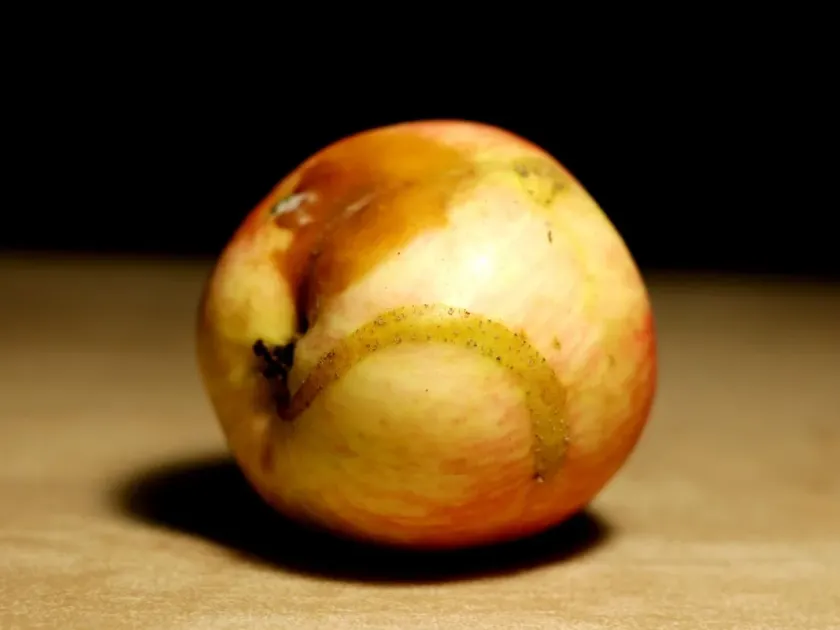
The primary symptom of apple russeting is the appearance of corky, rough patches on the skin, which resemble brown or golden-colored cork tissue.
These patches can manifest as localized spots or cover large areas of the fruit, creating a distinct netted or cracked appearance on the peel.
Russeting is most commonly observed around the stem cavity or the calyx, but in susceptible cultivars, it may spread across the entire surface of the fruit.
In severe cases, the fruit skin may crack, which not only ruins the aesthetic appeal but also impairs the fruit's structural integrity.
The affected areas are dry and rough to the touch, distinguishing them clearly from healthy, smooth skin, and they do not show typical decay or rot.
Pathogen
Apple russeting is not caused by infectious pathogens such as fungi, bacteria, or viruses; it is classified as a non-infectious physiological skin disorder.
It occurs when the fruit's epidermis fails to grow in proportion to the rapid expansion of the underlying flesh during the early stages of fruit development.
As the flesh expands faster than the skin, the epidermis develops micro-tears, and the tree produces cork cells to heal these ruptures, resulting in a russeted surface.
Genetic factors are the main drivers, as some apple varieties are inherently more prone to skin surface damage under environmental stress.
While not a primary cause, secondary factors like mite infestation can damage the epidermis, triggering a wound-healing response that manifests as russeting.
Conditions for development
The most critical window for russeting development is the period between full bloom and approximately 30 to 40 days post-fruit set.
Fluctuating temperatures, especially spring frosts, cause severe stress to the tender fruit skin, which often leads to subsequent cork formation.
High relative humidity and frequent rainfall encourage rapid cell division in the fruit flesh, causing the skin to stretch prematurely and rupture.
The application of certain pesticides and tank mixes during the sensitive early development phase can cause phytotoxicity, leading to skin damage.
Imbalanced nutrient management, particularly excessive nitrogen fertilization, drives rapid flesh expansion, which significantly increases the severity of russeting.
Why it matters
The primary economic impact of russeting is the downgrading of fruit quality, as russeted apples are often rejected for premium fresh market sales.
Affected fruit have higher rates of water loss through the skin, leading to premature shriveling and a shorter shelf life in cold storage.
The presence of rough skin makes the fruit more susceptible to environmental pathogens and water loss, reducing its overall commercial value.
Exporters and supermarket chains often have strict cosmetic standards that exclude apples with significant russeting from higher grade categories.
While processed fruit industries may accept russeted apples, the return on investment for growers is significantly lower compared to smooth-skinned varieties.
Protection
The most effective strategy is the selection of apple cultivars that are naturally resistant to russeting and adapted to the local climate.
Growers should maintain a balanced fertilization program, avoiding excessive nitrogen applications during the early fruit development stage.
The use of plant growth regulators, such as gibberellins, during the bloom and post-bloom period can help strengthen the skin and reduce russeting incidence.
Careful selection of crop protection products is essential; avoid applying chemicals known to have phytotoxic effects on sensitive young fruit.
Implementing frost protection measures and managing irrigation levels can help mitigate environmental stress, thereby reducing the risk of skin damage.
Discussion
No discussions yet — be the first.