
Apple green spot
Apple green crinkle agent
Description
Symptoms
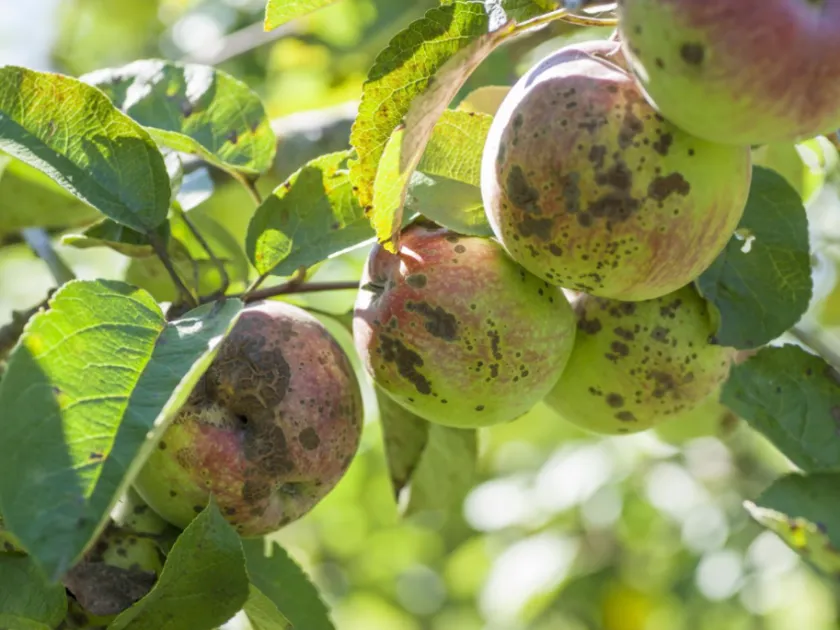
The most characteristic symptom is the presence of small, slightly sunken green spots on the surface of the fruit that persist even as the rest of the apple changes color.
Unlike fungal diseases, these spots are not associated with rot, fuzz, or tissue decay. They are simply areas where the normal ripening process has been interrupted.
The flesh directly beneath the green spots is typically firm or slightly tough, lacking the softening that occurs in the rest of the fruit during maturation.
Symptoms often become visible as the fruit approaches harvest maturity, becoming more distinct as the background color of the apple brightens.
- Distinct green patches against the fruit’s ripening skin.
- Slight depression in the center of the spot.
- Absence of necrotic tissue or fungal structures.
- Firmness of the internal flesh under the spot.
Pathogen
Apple green spot is a non-infectious physiological disorder that affects the appearance of the fruit. It is not caused by bacteria, fungi, or viruses, but rather by internal metabolic disturbances.
The primary cause of this condition is a localized calcium deficiency within the fruit tissue, often exacerbated by an imbalanced supply of nitrogen and potassium during the development stage.
Biologically, the disorder occurs because the cells in the affected areas fail to break down chlorophyll during the natural ripening process, leaving green spots on the otherwise colored skin.
Because it is a physiological issue, it does not spread from tree to tree like a disease, yet entire orchards may show symptoms if they share the same environmental and nutritional conditions.
The susceptibility of an apple variety to green spot is largely determined by its genetic profile, meaning some cultivars are significantly more prone to this disorder than others.
Conditions for development
High levels of nitrogen fertilization encourage rapid, lush vegetative growth, which competes with the fruit for calcium and leads to a deficiency in the apples.
Environmental stress, particularly hot, dry spells during the late stages of fruit development, restricts the movement of calcium from the soil into the fruit.
Extreme fluctuations in soil moisture during the summer can disrupt the plant's hydraulic balance, impacting the transportation of nutrients to the ripening fruit.
Heavy pruning that stimulates excessive shoot regrowth can create an imbalance, diverting nutrients away from the crop and increasing the risk of green spots.
Harvesting fruit too late, when they are already over-mature, increases the likelihood of displaying these symptoms compared to fruit harvested at the optimal maturity window.
Why it matters
The main impact of apple green spot is purely economic, as affected fruit are downgraded or rejected from premium market channels due to their appearance.
Although the eating quality and nutritional value of the apple remain largely unaffected, consumers often reject fruit with visual defects, leading to significant financial losses for growers.
Affected fruit may have a slightly reduced storage life, as the tissue disruption can make the apple more susceptible to other storage disorders or secondary infections.
The presence of this condition necessitates more rigorous sorting processes, which increases labor costs for harvesting and packing operations.
In cases of severe outbreaks, the volume of marketable, high-grade fruit is significantly reduced, negatively affecting the overall profitability of the orchard.
Protection
The most effective strategy is the application of foliar calcium sprays throughout the growing season to ensure fruit tissues receive sufficient levels of this vital element.
Maintaining a balanced nutrition program is crucial; growers should avoid over-fertilizing with nitrogen, especially during the later stages of fruit development.
Providing a consistent and adequate irrigation schedule helps to maintain steady nutrient uptake and prevents stress that could lead to physiological fruit disorders.
Careful orchard management, including appropriate pruning techniques, helps maintain a balance between foliage and fruit growth, promoting better nutrient distribution.
Timely harvest based on proper maturity indices is essential to prevent the fruit from becoming overly prone to physiological breakdown and surface spot development.
Discussion
No discussions yet — be the first.