
Apatococcus lobatus
Apatococcus lobatus
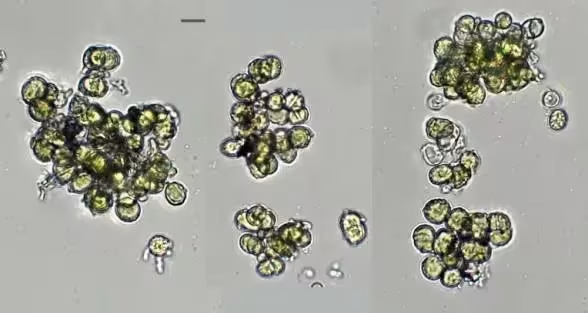
Description
Symptoms
The most distinctive sign of Apatococcus lobatus is the appearance of a vibrant green or bluish-green powdery film on the surface of tree trunks and main branches.
This film is most noticeable following rainfall or during periods of high humidity, when the algal cells become fully hydrated and display a vivid coloration.
The colonization often starts on the shaded side of the tree or in areas with poor airflow, eventually covering larger sections of the bark.
Affected bark may appear slick or dull, with a texture similar to velvet or fine dust, which becomes more prominent as the colony density increases.
- bright green powdery coating;
- thin film-like patches on the bark;
- persistent dampness of the bark surface;
- increased visibility during wet weather.
Pathogen
Apatococcus lobatus is a species of unicellular green algae belonging to the class Trebouxiophyceae. It is widely recognized as an epiphyte that colonizes the bark of trees and shrubs.
Biologically, it manifests as microscopic single cells or small colonies that adhere firmly to the bark surface without penetrating the inner living tissues of the host plant.
These organisms are highly adaptable to environmental stressors, allowing them to survive fluctuations in humidity and light intensity throughout the seasons.
The life cycle of Apatococcus is heavily dependent on the availability of surface moisture, which facilitates cell division and the expansion of algal colonies.
In agricultural and horticultural contexts, the presence of these algae is often an indicator of environmental conditions rather than a primary pathogenic threat to the plant.
Conditions for development
The primary factor facilitating the development of Apatococcus lobatus is high atmospheric humidity, which provides the necessary water for algal growth.
Dense, unpruned tree canopies prevent proper air circulation and block sunlight, creating a stable, moist microclimate that favors the colonization of the bark.
Prolonged periods of overcast, drizzly weather are ideal for the rapid expansion of algal films on the trunk and skeleton branches.
Neglecting standard garden hygiene, such as failing to remove dead wood or organic debris from the base of the tree, contributes to stagnant conditions.
Orchards located in low-lying areas or near bodies of water are at higher risk due to frequent fog and trapped moisture in the tree canopy.
Why it matters
While Apatococcus lobatus is not a true parasite, its dense colonization can create a habitat for various pests that seek shelter within the bark crevices.
A thick layer of algae may slightly impede the bark's ability to "breathe" or exchange gases, potentially impacting the health of the outer protective layers.
Persistent moisture trapped beneath the algal layer can cause softening of the bark, which may eventually predispose the tree to secondary fungal or bacterial infections.
The aesthetic quality of ornamental trees is significantly reduced, leading to a neglected appearance that is often associated with poor tree vigor.
While the algae itself rarely causes mortality, it is frequently a sign that the tree is stressed or that the local microclimate requires corrective management.
Protection
Routine pruning is the most effective preventative measure, as it improves light penetration and air circulation throughout the tree structure.
Manual cleaning of the trunk and primary branches using soft or medium-bristle brushes can help remove algal colonies and debris from the bark surface.
Applying traditional horticultural whitewash (lime wash) to the trunks in early spring and autumn helps suppress algal growth and disinfects the bark.
Preventative applications of copper-based fungicides during the dormant season can significantly reduce the population of epiphytic algae on the bark.
Maintaining balanced tree nutrition ensures vigorous bark growth, which makes it harder for algae to establish themselves over extended periods.
Discussion
No discussions yet — be the first.