
Anacystis dimidiata
Anacystis dimidiata
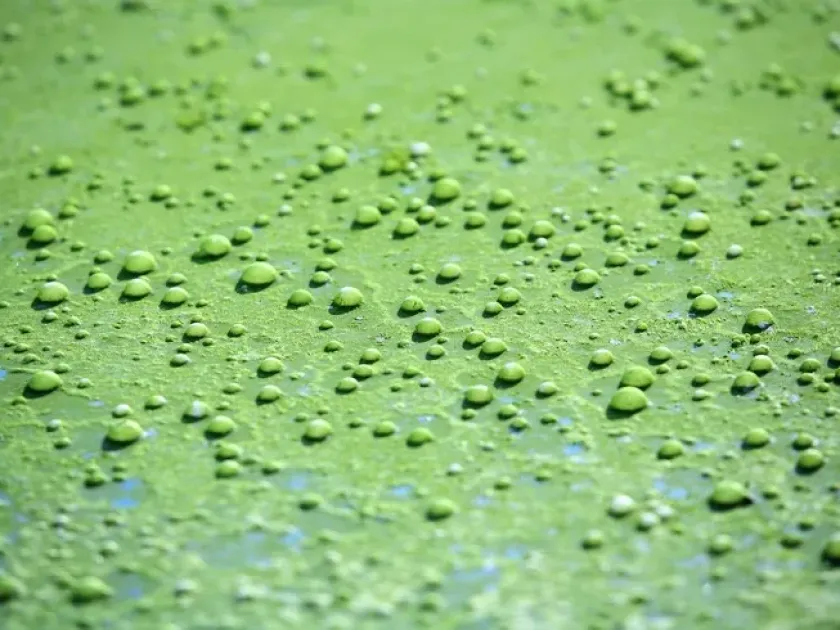
Description
Symptoms
The primary symptom of Anacystis dimidiata colonization is the appearance of a dense, slimy green or blue-green film on the soil or substrate surface.
Upon drying, this film forms a hard crust, which prevents oxygen from reaching the root system, causing symptoms of oxygen starvation in plants.
Plants growing near algae patches show chlorosis of the lower leaves and a noticeable reduction in growth rates due to the depletion of mineral nutrients.
In hydroponic or greenhouse systems, the presence of algae is revealed by cloudiness in the nutrient solution and green sludge accumulating on irrigation pipes and tank walls.
Root systems of affected plants often show brown discolouration, indicating decay processes triggered by the anaerobic conditions created by the algae mat.
Pathogen
Anacystis dimidiata (synonym Microcystis dimidiata) is a genus of unicellular blue-green algae (cyanobacteria). In agronomy, they are regarded as a biological factor capable of proliferating on the surface of waterlogged soils and in hydroponic systems.
While this microorganism is not a classic parasitic pathogen, its colonies form dense films that inhibit substrate aeration. During their lifecycle, cyanobacteria can secrete specific metabolites that affect the immediate environment.
The impact on crops is generally characterized as secondary suppression, linked to changes in the chemical composition of the root zone. Algae actively compete with cultivated plants for essential nutrients.
The biological classification of this species is subject to change, as these cyanobacteria are highly plastic and adapt their morphology based on light availability and nitrogen levels.
Persistent growth of these microorganisms often indicates a breakdown in soil or nutrient solution balance, necessitating a thorough review of agronomic practices.
Conditions for development
The main factors driving growth are excessive soil moisture combined with high light intensity. Poorly drained fields and greenhouse areas create ideal habitats.
High concentrations of phosphorus and nitrogen in soil or nutrient solutions encourage rapid blooms (intensive multiplication) of these cyanobacteria.
Inadequate ventilation in greenhouses increases humidity, fostering the formation of Anacystis dimidiata colonies on exposed soil surfaces.
Neutral to slightly alkaline pH levels are generally preferred by these microorganisms for active development in greenhouse environments.
Long periods without soil cultivation lead to surface compaction, which helps retain moisture and accelerates the spread of the cyanobacterial layer.
Why it matters
The primary damage stems from the physical barrier created on the soil, which blocks root oxygen access and encourages the development of root rots.
Algae consume significant amounts of nutrients, depriving crops of essential nitrogen and micronutrients intended for their growth.
As massive amounts of algae die off, the resulting changes in pH can cause significant stress to sensitive plants and disrupt their nutrient uptake.
The damp organic mass provides a perfect breeding ground for soil-dwelling pests like fungus gnats, which are attracted to the moisture and microorganisms.
Severe infestations can lead to a 10–20% reduction in yield by suppressing plant development during critical vegetative stages.
Protection
The primary control measure is the implementation of effective drainage systems to prevent water pooling on the soil surface or in plant trays.
Regular cultivation and loosening of the topsoil break the algae colonies, ensuring surface drying and proper oxygen circulation to the roots.
In greenhouses, shading structures or coating light-transmitting surfaces can reduce direct sunlight, which is a limiting factor for algae growth.
The application of algaecides is permissible only under strict dosage control to avoid harming the plant root system or the beneficial soil microflora.
Balanced fertilization practices are recommended to prevent excess nutrient accumulation in the topsoil, effectively removing the algae's food source.
Discussion
No discussions yet — be the first.