
Amphisphaeriaceae
Amphisphaeriaceae
Description
Symptoms
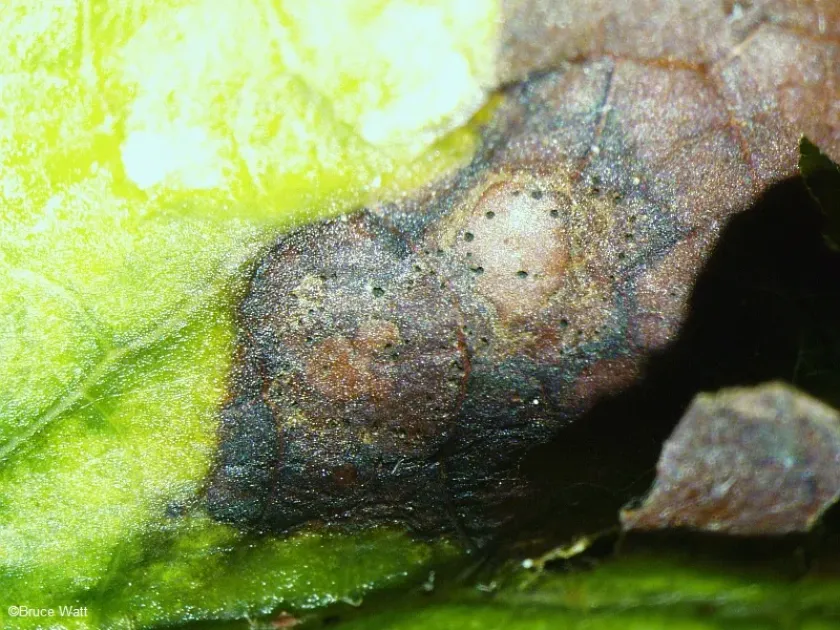
A primary diagnostic sign of infection by members of the Amphisphaeriaceae family is the presence of small, dark, often erumpent fruiting bodies known as perithecia embedded in the plant tissue.
Infected areas of stems, leaves, or bark often exhibit discoloration, turning grayish or brown as the pathogen destroys the internal cellular integrity of the host plant.
Necrotic lesions with distinct, darker margins frequently appear at the site of infection, often followed by the cracking of the epidermis as the fungus develops.
In humid conditions, spores may exude from the fruiting bodies, visible as dark slime or localized spots on the surface of the plant structures.
As the disease progresses, tissues may become brittle or develop sunken cankers, which significantly weaken the structural stability of the affected plant parts.
Pathogen
The disease is caused by fungi belonging to the family Amphisphaeriaceae, which are characterized as ascomycetes often acting as saprotrophs or weak facultative parasites.
These pathogens reproduce by forming asci contained within perithecia, which serve as the primary source of inoculum for further environmental spread.
The mycelium of these fungi invades intercellular spaces, secreting enzymes that degrade plant cell walls, allowing the fungus to extract nutrients from the host.
These organisms are capable of surviving harsh winter conditions by remaining dormant in fallen leaves, stubble, or woody debris found within the field.
Reproduction occurs through both sexual ascospores and asexual conidia, giving the fungus a high level of adaptability to various environmental stresses.
Conditions for development
The development of Amphisphaeriaceae-related diseases is highly dependent on high moisture levels, which are necessary for the germination of spores on plant surfaces.
Extended periods of rainfall, heavy dew, or high atmospheric humidity during the growing season create an optimal environment for infection and disease dissemination.
Plants weakened by environmental stresses, such as drought, extreme temperature fluctuations, or physical damage, are significantly more susceptible to colonization.
Warm to moderate temperatures typically favor the active growth cycle of these fungi, making spring and early autumn the most critical periods for monitoring.
Field conditions with poor ventilation or high planting density can trap humidity, thereby exacerbating the spread of the pathogen throughout the crop.
Why it matters
The economic impact of Amphisphaeriaceae is primarily due to reduced photosynthetic capacity, which directly translates into lower biomass and overall yield.
Severe infections can lead to premature senescence, stunted development, and the eventual death of individual shoots or entire plants if the pathogen colonizes vascular tissue.
By disrupting water and nutrient transport, the pathogen prevents the proper maturation of fruits and seeds, resulting in lower quality and market value of the harvested produce.
In perennial or woody crops, the fungus can induce cankers that permanently damage branches, reducing the lifespan and productivity of the plant over multiple seasons.
The stealthy nature of the initial infection often means that damage is observed only when the disease has already caused significant physiological harm to the plant.
Protection
Effective management focuses on strictly implementing sanitary practices, such as the removal and destruction of crop debris, which acts as a primary reservoir for the pathogen.
Practicing crop rotation is essential, as it disrupts the life cycle of specialized fungi and prevents the buildup of high inoculum levels within the soil.
Regular monitoring followed by the targeted application of systemic fungicides during periods of high humidity can effectively suppress fungal development.
Optimizing plant health through balanced fertilization and robust cultivation practices helps boost the innate immunity of the crop against opportunistic pathogens.
Ensuring that seeds and planting material are certified disease-free and properly treated before planting is a fundamental step in preventing initial site contamination.
Discussion
No discussions yet — be the first.