
Plum ampelovirus
Ampelovirus pruni
Description
Symptoms
Common symptoms include leaf chlorosis, which manifests as yellowish spots, mottling, or distinct mosaic patterns. In some cases, the leaves exhibit curling, deformation, and premature yellowing, which significantly hinders the photosynthetic capacity of the tree.
Growth abnormalities are frequently observed, including shortened internodes and stunted shoot development. This leads to an overall weak appearance and reduced vigor, especially in younger, more susceptible trees.
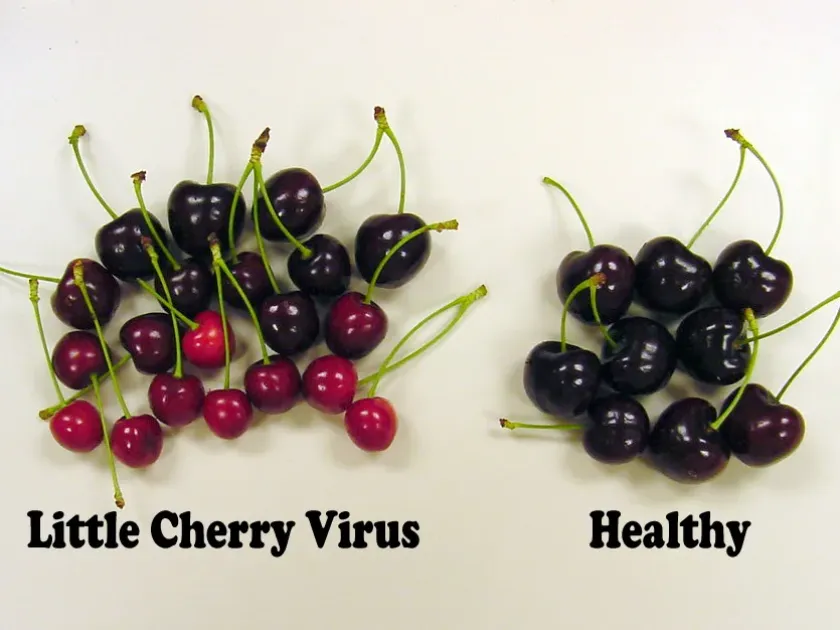
Fruit quality is severely impacted; harvested produce is often smaller, misshapen, and lacks the typical flavor and color intensity of healthy fruit. Uneven ripening and surface spotting are typical markers of viral presence.
The tree's general health declines over several seasons, leading to increased susceptibility to secondary infections and winter damage. In advanced cases, branches may lose their structural integrity and begin to die back.
- Mosaic patterns and chlorosis on foliage.
- Deformed fruit and stunted shoots.
- Premature leaf drop.
- Overall decline in tree vigor.
- Reduced fruit quality and yield.
Pathogen
The Plum ampelovirus is a pathogen belonging to the Ampelovirus genus, which causes systemic viral infection in various fruit trees. The virus colonizes the phloem tissue, effectively disrupting the translocation of carbohydrates and essential nutrients from leaves to the rest of the tree.
The virus is primarily transmitted through vegetative propagation methods, such as infected rootstocks or scion wood. Additionally, mechanical transmission during routine pruning or grafting, where tools are not sanitized, serves as a significant pathway for spreading the virus throughout an orchard.
As an RNA-based virus, it replicates rapidly within the host cells. Once a tree is infected, the virus establishes a persistent systemic infection that remains throughout the lifespan of the plant, altering its metabolic functions and growth patterns.
The latent phase of the disease is particularly challenging for orchardists, as trees may show no visible symptoms for extended periods. During this time, the virus can be unknowingly spread to healthy nursery stock.
Environmental factors and the host plant's physiological state influence the severity of the infection. However, once the virus has reached a high titer, it causes permanent cellular damage that cannot be reversed by existing chemical treatments.
Why it matters
The primary economic impact of Plum ampelovirus is the significant reduction in fruit yield and marketability. Affected trees become unproductive, and the cumulative losses over the orchard's lifespan can be devastating for commercial growers.
The virus acts as a stress factor that reduces the tree's resilience to extreme weather conditions, such as hard frosts or drought. This often results in the premature death of the trees, necessitating costly removal and replanting.
The persistent nature of the infection means that an affected orchard serves as a permanent reservoir of the virus, posing a continuous threat to nearby healthy plantings or new additions to the property.
There is a high risk of spreading the infection to nurseries, which can jeopardize the supply chain of healthy planting material. Strict phytosanitary protocols are required to contain the spread of the virus.
Commercial orchards facing an outbreak often have to deal with declining profit margins due to the need for increased management costs and the necessity of discarding low-quality, virus-infected fruit.
Protection
Management of Plum ampelovirus is exclusively focused on preventive strategies, as there are no curative treatments available. The use of certified, virus-free planting material is the most important defense against this pathogen.
Implementing rigorous sanitation practices for all pruning and grafting tools is essential. Disinfecting blades with an appropriate solution between trees prevents the mechanical transmission of the virus.
Effective control of insect vectors, particularly aphids and leafhoppers, is a critical component of integrated pest management. Keeping insect populations low reduces the risk of natural viral transmission within the orchard.
Immediate eradication of symptomatic trees is necessary to stop the spread. Infected trees must be dug out, roots included, and destroyed to prevent the infection from reaching healthy neighbors.
Regular orchard monitoring and the establishment of spatial isolation zones for new trees are key to maintaining a healthy environment. Growers should maintain high horticultural standards to bolster the overall resilience of the trees.
Discussion
No discussions yet — be the first.