
Plasmodiophorid diseases
Amoebozoa
Description
Symptoms
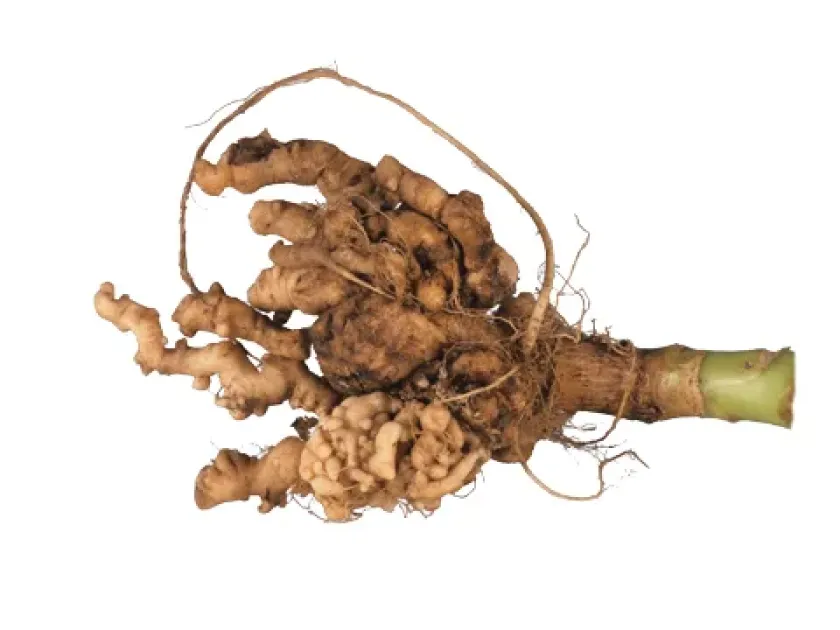
The primary symptom of Plasmodiophorid infections is the development of abnormal swellings or galls on the root system of host plants.
Infected plants often display stunted growth, yellowish leaves, and noticeable wilting during the warmest parts of the day.
When uprooted, the roots appear significantly distorted and thickened, often resembling clubs or fingers instead of fibrous root structures.
As the galls decay, they release masses of resting spores into the soil, which serve as the primary inoculum for future infection cycles.
The overall plant vigor is severely reduced, leading to reduced yield and poor fruit or vegetable development compared to healthy crops.
Pathogen
These diseases are caused by obligate parasites belonging to the class of Plasmodiophorids, which are soil-borne protists.
The pathogen reproduces by forming long-lived resting spores that can survive in the soil for several years without a host.
Under favorable moisture conditions, these spores germinate to produce motile zoospores that infect root hairs through specialized mechanisms.
Once inside, the organism triggers abnormal cell division and enlargement, resulting in the typical symptoms observed on the root system.
Due to their complex life cycle and resilience, these pathogens are considered challenging to manage in various agricultural systems.
Conditions for development
The development of these diseases is highly dependent on high soil moisture levels, which facilitate the movement of zoospores.
Acidic soil conditions significantly promote the infection process, making soil pH management a critical factor in disease prevention.
Optimal temperatures for pathogen activity generally range between 18 and 25 degrees Celsius, matching standard growing conditions for crops.
The disease is easily spread through the movement of infested soil on farm machinery, tools, footwear, and water runoff.
The presence of wild cruciferous weeds can provide an alternative host, sustaining the pathogen in fields even in the absence of cultivated crops.
Why it matters
The infection severely compromises the root's capacity to uptake water and essential minerals, leading to physiological stress in the plant.
Economic damage is substantial, particularly in cruciferous crops like cabbage, broccoli, and canola, where it can result in total crop failure.
Infected crops exhibit poor quality, reduced size, and increased susceptibility to secondary infections that occur during storage and transport.
Long-term soil infestation limits land use, often forcing farmers to abandon the cultivation of susceptible species for extended periods.
The difficulty of complete eradication from the soil makes these diseases a recurring management problem in high-intensity farming.
Protection
Crop rotation is the most effective cultural practice, requiring a break of at least five to seven years for susceptible plant varieties.
Soil amendment with lime is essential to elevate the pH level, creating an unfavorable environment for the germination of resting spores.
Sanitation measures, including the cleaning of equipment before moving between fields, are critical to preventing the spread of infested soil.
Utilizing certified disease-free seedlings and selecting resistant cultivars are recommended strategies for minimizing infection risks.
Integrated weed management must be prioritized to remove alternative hosts that harbor the pathogen within the agricultural landscape.
Discussion
No discussions yet — be the first.