
Amalgavirus
Amalgavirus
Description
Symptoms
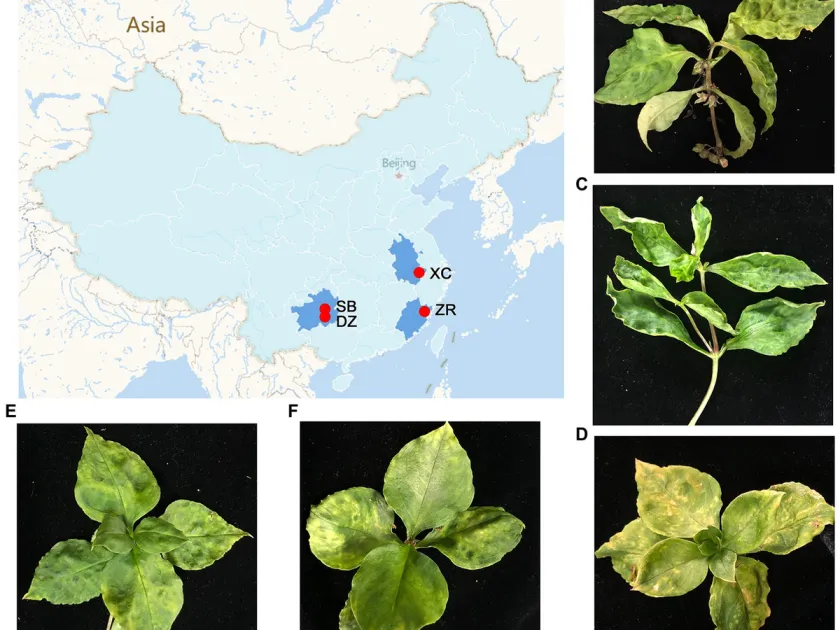
Most plants infected with Amalgavirus remain asymptomatic, appearing identical to healthy individuals during standard agricultural inspections.
In susceptible varieties, mild symptoms may include slight mosaic patterns, leaf distortion, or a general reduction in plant vigor during peak growth stages.
Symptoms are rarely uniform and often depend on the genetic background of the host and the presence of other co-infecting viral or bacterial pathogens.
The presence of the virus is often revealed only during laboratory testing when the plant fails to thrive despite proper fertilization and moisture levels.
Diagnostic protocols rely on identifying the viral dsRNA genome, which provides a definitive confirmation of the infection status.
Pathogen
The Amalgavirus genus consists of plant viruses characterized by a double-stranded RNA genome enclosed in non-enveloped isometric capsids.
These viruses are recognized for their latent existence within host plants, often failing to cause severe symptoms under normal environmental conditions.
Amalgaviruses are strictly persistent in their transmission, relying primarily on vertical pathways such as seeds and pollen to infect subsequent generations.
Due to the lack of strong clinical indicators, these pathogens are frequently identified through modern molecular diagnostic techniques like NGS or RT-PCR.
The taxonomic classification is continuously updated as new species are discovered through the metagenomic analysis of various crop species worldwide.
Conditions for development
The primary transmission route for Amalgavirus is seed-borne, meaning the virus is passed directly from the mother plant to the developing embryo.
Pollen-mediated infection is another critical pathway, allowing the virus to spread within seed production fields during the flowering period.
Environmental factors do not directly trigger viral transmission but can alter the host's physiological state, potentially exacerbating the effects of the latent virus.
Contaminated seeds act as the main reservoir for the pathogen, sustaining the infection cycle through continuous cropping seasons.
Unlike many other plant viruses, there is no significant evidence that these viruses are vectored by common agricultural pests like aphids or whiteflies.
Why it matters
The economic impact of Amalgavirus is often underestimated due to the absence of dramatic visual symptoms in the field.
Infection can lead to decreased seed germination rates, reduced seed viability, and overall lower quality of harvested grain or seed stocks.
The virus consumes cellular resources for its replication, causing a chronic physiological drain on the host plant's energy and nutrient metabolism.
Co-infection with other pathogens can synergistically reduce crop yields, causing significant losses if the viral complex goes undetected.
For seed-producing operations, the presence of these viruses can lead to the disqualification of entire batches of seeds, resulting in direct financial losses.
Protection
The most effective management strategy is the exclusive use of certified, virus-free seed stocks produced under strict phytosanitary supervision.
Routine molecular monitoring of mother plants and breeding lines is essential to identify and eradicate latent viral sources.
Maintaining spatial isolation between seed production plots and commercial fields reduces the likelihood of pollen-based cross-contamination.
Implementation of tissue culture and heat treatment protocols can help produce clean, virus-free foundational material for nursery stocks.
Since no chemical cure exists for viral infections, prevention remains the only viable method to safeguard crop health and productivity.
Discussion
No discussions yet — be the first.