
Heterobasidion alphapartitivirus
Alphapartitivirus quindecimheterobasidion
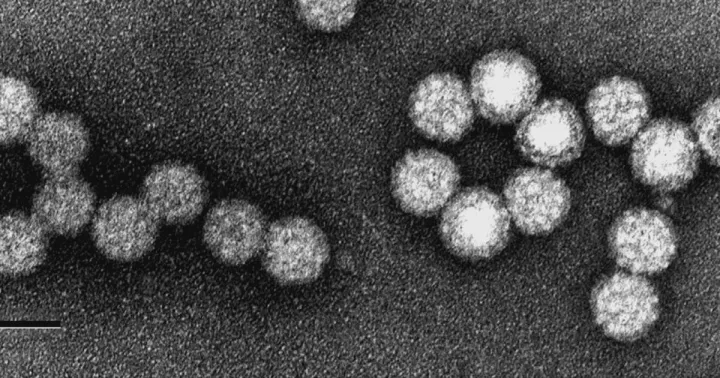
Description
Symptoms
The infection caused by this virus in the host fungus does not produce visible symptoms on the trees infested by the pathogen.
Identification of the virus requires molecular diagnostic tools, such as reverse transcription-polymerase chain reaction (RT-PCR) or high-throughput sequencing.
In laboratory settings, infected cultures of Heterobasidion may show attenuated growth characteristics compared to virus-free strains.
The presence of the virus can alter the biological fitness of the fungus, leading to changes in hyphal branching patterns and growth rates.
These cryptic signs are only detectable through controlled experimental studies conducted on fungal isolates in a laboratory environment.
Pathogen
Heterobasidion alphapartitivirus (Alphapartitivirus quindecimheterobasidion) is a double-stranded RNA mycovirus that exclusively infects fungi within the Heterobasidion genus.
It belongs to the Partitiviridae family and operates as an intracellular parasite, utilizing the host fungal cell machinery for its replication.
Transmission of the virus typically occurs through hyphal anastomosis, which is the fusion of fungal branches, facilitating its spread across fungal colonies.
The interaction between the virus and the host fungus is a subject of significant interest in the field of forest mycology and plant pathology.
This virus has a defined genome structure typical for its taxonomic group, allowing it to maintain stable populations within its fungal host.
Why it matters
The virus is generally considered beneficial for forest ecosystems because it can potentially reduce the virulence of the root rot pathogen.
Reduced virulence implies that the fungal infection may spread more slowly or cause less tissue degradation in the infested tree root systems.
However, the impact of the virus is variable and can be influenced by host strain, environmental conditions, and the presence of other pathogens.
There is no evidence of direct harm caused by this virus to plants or humans, as it is strictly specialized to its fungal host.
The research interest lies in the potential for biological control, where the virus is viewed as an agent of hypovirulence.
Protection
Currently, there are no control measures designed to eradicate this virus, as it is not considered a threat to forest health.
Management practices focus on monitoring the prevalence of the virus in natural populations of root rot fungi as part of ecosystem stability assessment.
Research is ongoing to determine if the deliberate introduction of the virus could serve as an effective management strategy against root rot.
Silvicultural efforts are generally aimed at managing the root rot disease itself, with the mycovirus serving as an ecological factor to consider.
Standard preventive protocols in forestry regarding tree hygiene remain the primary method for dealing with the root rot pathogen itself.
Discussion
No discussions yet — be the first.