
Alphapartitivirus
Alphapartitivirus
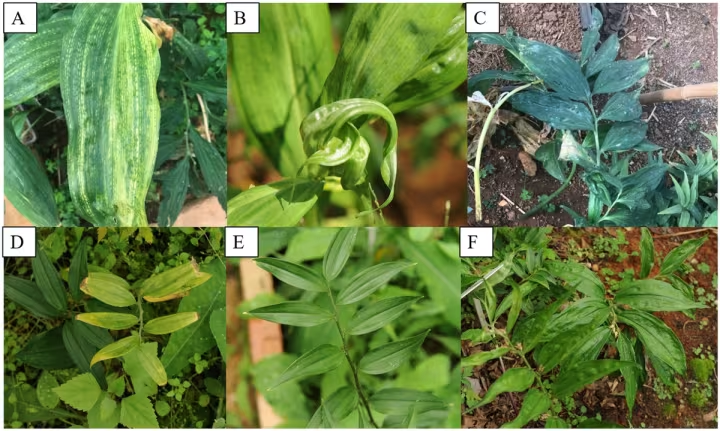
Description
Symptoms
Symptoms of Alphapartitivirus infection are notoriously subtle and often go unnoticed by farmers. In many cases, infected plants show no outward signs of distress, appearing as vigorous as their healthy counterparts.
When symptoms do occur, they usually manifest as mild chlorotic spotting or mosaic patterns on the foliage. These signs are frequently confused with nutrient deficiencies, particularly nitrogen or magnesium imbalances, making field diagnosis challenging.
Stunting or reduced root growth may occur in heavily infected individuals. This impairment affects the plant's overall nutrient uptake, leading to a gradual decline in productivity that is often attributed to soil quality or weather rather than viral infection.
In reproductive organs, the virus may cause subtle deformities or reduce the fertility of pollen. This can result in lower seed set and poor seed quality, which perpetuates the cycle of infection in the following growing season.
Definitive diagnosis requires molecular methods such as RT-PCR or ELISA. Visual inspections alone are insufficient to confirm the presence of Alphapartitivirus due to its propensity for latent expression.
Pathogen
Alphapartitivirus belongs to the Partitiviridae family, characterized by a double-stranded RNA genome. These viruses are increasingly recognized in phytopathology due to their ability to infect a wide range of economically important crops and their unique latent mode of infection.
The pathogen consists of isometric viral particles that primarily reside within the plant cells. Unlike many other plant viruses, the Alphapartitivirus is predominantly transmitted vertically, specifically through infected seeds, which is the key pathway for its distribution in agricultural fields.
The biology of this virus is closely linked to its host; it often establishes a persistent infection that does not kill the plant but stays within the tissues, affecting the host's metabolic functions over the entire life cycle.
Research indicates that Alphapartitivirus often remains in a latent state, making it difficult to detect without advanced molecular tools. It can also form part of a viral complex, where its presence exacerbates the effects of other viral or fungal diseases.
The virus demonstrates low virulence in terms of acute symptoms, yet its evolutionary success relies on the host's ability to survive and produce seeds, thereby ensuring the virus is passed on to the next generation of plants.
Conditions for development
The development and spread of Alphapartitivirus are intrinsically tied to agricultural practices, particularly the reuse of farm-saved seeds. Since the virus is seed-borne, the most critical factor for its propagation is the use of infected planting material.
Environmental factors, including temperature and humidity, can influence the viral titer within the plant tissues. However, the virus is highly adaptable and can survive across various climatic conditions, provided the host plant is thriving.
Repeated cultivation of the same crop in the same field without proper seed certification facilitates the accumulation of the virus. Over multiple generations, the prevalence of the virus in a seed lot can increase significantly.
Unlike aphid-borne viruses, Alphapartitivirus does not rely heavily on insect vectors for transmission. This limits the speed of spread between fields but emphasizes the importance of internal plant hygiene and seed quality control.
Stress conditions, such as drought or chemical stress from herbicide application, can trigger a transition from latent infection to symptomatic expression, making the viral impact more visible during unfavorable growing seasons.
Why it matters
The primary economic harm caused by Alphapartitivirus is the chronic reduction in crop yield and quality. While rarely causing total crop failure, the cumulative effect of a 5-15 percent yield loss poses a significant threat to farm profitability.
Infected seeds often exhibit poor germination energy and low vigor. This leads to uneven stands in the field and weaker plants that are less competitive against weeds and more prone to other diseases.
The viral infection interferes with the physiological processes of the host, leading to lower sugar and nutrient content in fruits or grains. This degradation reduces the market value and storage life of the harvest.
Increased susceptibility to secondary pathogens is a major issue. Plants weakened by Alphapartitivirus are less effective at mounting an immune response, making them easier targets for fungal infections and other opportunistic plant diseases.
The long-term impact on seed stocks is severe, as the virus gradually degrades the genetic potential of high-yielding varieties if rigorous screening programs are not implemented.
Protection
The most effective strategy for managing Alphapartitivirus is the use of high-quality, certified seeds. Implementing molecular diagnostic protocols to ensure the seed lot is free from the virus is essential for modern seed production.
Rotation strategies and maintaining spatial isolation between seed production plots and commercial fields prevent accidental contamination. Avoiding the use of farm-saved seeds without testing is a cornerstone of prevention.
Meristem tissue culture techniques are highly recommended for purifying elite breeding lines. By growing plants from virus-free meristems in a controlled laboratory environment, breeders can eliminate the pathogen from the genetic stock.
Regular phytosanitary monitoring of fields is important to identify and rogue out suspicious-looking plants. While not entirely foolproof, it helps reduce the initial inoculum level within the crop population.
Providing optimal growing conditions, including balanced fertilization and moisture management, helps the plant maintain its natural defense systems. Strong, healthy plants are better equipped to tolerate the presence of the virus and minimize yield losses.
Discussion
No discussions yet — be the first.