
Eggplant mottled dwarf virus
Alphanucleorhabdovirus melongenae
Description
Symptoms
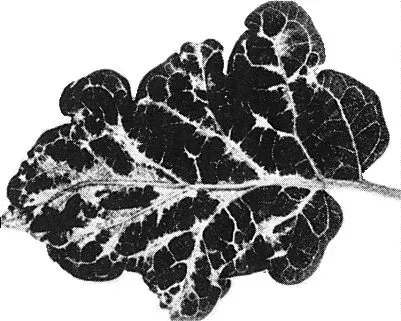
The primary symptom of this infection is a distinct mottling or mosaic pattern on the leaves of the eggplant, characterized by alternating light and dark green areas.
Leaf deformation is a common secondary symptom. Infected leaves often appear crinkled, wavy, or curled, which significantly hinders the plant's photosynthetic efficiency.
Stunting is typically observed in infected plants, with shortened internodes giving the plant a dwarfed and bushy appearance compared to healthy specimens.
The quality of fruits is severely impacted. They may become deformed, develop necrotic spots on the skin, and show signs of poor development, making them unfit for sale.
In advanced stages of the disease, premature leaf yellowing and necrosis occur, eventually leading to early defoliation and a drastic reduction in plant vigor.
Pathogen
The causative agent is the Alphanucleorhabdovirus melongenae. This virus belongs to the Rhabdoviridae family, featuring characteristic bullet-shaped or bacilliform virions.
The virus replicates within the host cell cytoplasm, hijacking the cellular machinery to produce viral proteins and nucleic acids, which eventually spread through the phloem.
The virus is primarily transmitted by insect vectors, specifically aphids and leafhoppers, which acquire the virus while feeding on infected sap and transfer it to healthy plants.
Mechanical transmission is also possible through contaminated farm equipment, such as knives or pruning shears, if they are not sanitized between plants.
The pathogen can persist in weed hosts belonging to the Solanaceae family, which act as natural reservoirs, allowing the virus to survive between growing seasons.
Conditions for development
The spread of the disease is highly dependent on the population density of insect vectors. Warm and dry weather conditions generally boost the activity of aphids.
High planting density promotes the rapid spread of the virus, as the proximity of plants facilitates the movement of insects and the physical contact between infected and healthy leaves.
Poor field sanitation, including the presence of solanaceous weeds near the crop, provides an immediate source of inoculum for the primary spread of the virus.
Plant stress, often caused by irregular irrigation or poor soil nutrition, compromises the natural defense mechanisms of eggplants, increasing their susceptibility.
The lack of rigorous quarantine procedures when introducing new seedlings into a greenhouse environment significantly increases the risk of local outbreaks.
Why it matters
The primary damage is a severe reduction in total marketable yield. Infected plants fail to reach their full potential and often produce unmarketable fruit.
The economic impact includes both the loss of harvest and the increased costs associated with managing the vectors and removing infected plants.
Viral infection leaves the plants weak and highly susceptible to secondary pathogens, such as fungal wilts or bacteria, which further accelerates plant decline.
Because there is no cure, the presence of the virus in a growing area may force farmers to abandon the crop or destroy entire batches to save the rest of the field.
The persistence of the virus in local weed populations makes it a recurrent threat for future planting cycles in the same geographical area.
Protection
Since there is no chemical cure for viral plant infections, management must focus exclusively on prevention and vector control strategies.
Effective insect control is crucial. Using systemic and contact insecticides to manage aphid and leafhopper populations is the standard approach for containment.
Maintaining a strictly clean environment by removing all host weeds and sanitizing tools after contact with plants is mandatory for greenhouse operations.
Farmers should prioritize the use of certified, virus-free seeds and seedlings produced in highly regulated, protected environments to avoid initial infection.
- Implement a strict crop rotation strategy away from solanaceous plants.
- Use insect-proof screens in greenhouse vents to block vectors.
- Promptly rogue and destroy any plants showing early symptoms.
- Choose resistant cultivars if available in the specific region.
Discussion
No discussions yet — be the first.