
Alphaflexiviridae
Alphaflexiviridae
Description
Symptoms
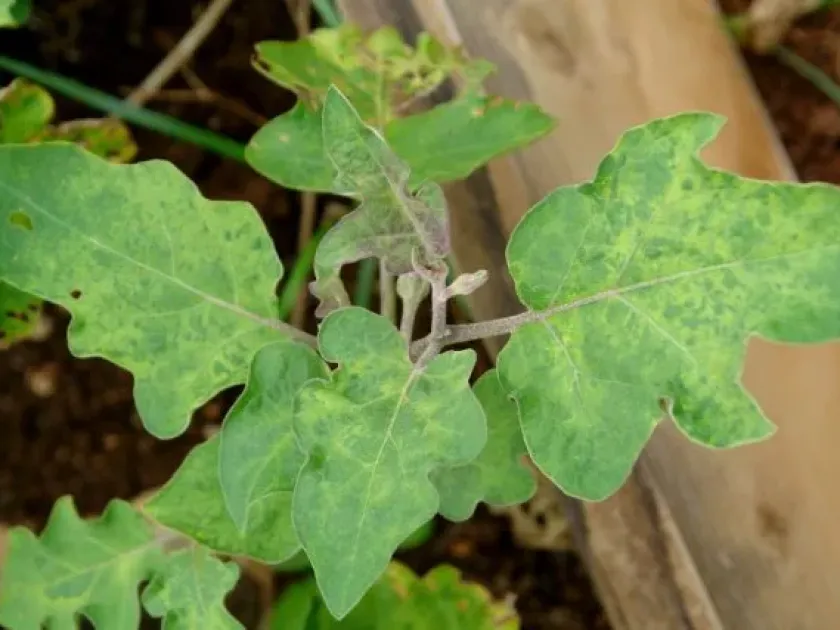
Infection symptoms caused by Alphaflexiviridae vary significantly based on the host species and viral strain. Typical foliage symptoms include chlorotic mosaics, yellow banding, ringspots, and line patterns, often accompanied by leaf curling or deformation.
On fruit-bearing trees, the viruses often manifest as fruit surface pitting, deformation, or irregular coloration. In woody plants, symptoms such as stem grooving or wood pitting are common indicators, which can lead to significant structural weakness over time.
It is important to note that symptoms may be localized or irregular, appearing only on certain branches. This patchy distribution is a hallmark of many systemic viral infections, making it difficult to rely on visual inspection alone for an accurate diagnosis.
In some cases, the virus may cause plant stunting or a reduction in overall vigor without specific leaf markings. Such symptoms are often confused with soil nutrient deficiencies or water stress, requiring laboratory confirmation through PCR or ELISA techniques.
Plants at the seedling stage are particularly susceptible, and early-stage infections often result in irreversible growth retardation. Monitoring for these subtle changes is vital for maintaining the health and productivity of young orchards.
Pathogen
The Alphaflexiviridae family consists of a group of plant viruses characterized by flexible, filamentous particles containing a positive-sense single-stranded RNA genome. These pathogens are globally distributed and cause significant damage to diverse horticultural and agricultural crops.
Common members of this family include the Plum pox virus (PPV), Apple stem grooving virus (ASGV), and various mosaic viruses. These pathogens are known for their ability to establish systemic infections, effectively colonizing the host plant's phloem and vascular tissues.
Transmission occurs through various vectors such as aphids, mites, and nematodes, as well as through mechanical means. Infected grafting material, contaminated pruning tools, and contact between plants are major drivers for the spread of these viruses within commercial orchards.
The biology of these viruses is marked by their ability to remain latent in host plants for extended periods. This latency period makes them particularly dangerous, as infected plants may appear asymptomatic while still acting as reservoirs for subsequent outbreaks.
Research on Alphaflexiviridae continues to evolve, focusing on understanding the viral protein interactions with the host's immune system. Genomic sequencing is widely used to categorize new strains and improve the sensitivity of diagnostic tools for field-level surveillance.
Why it matters
The economic impact of Alphaflexiviridae is substantial, causing severe yield losses and reduced quality of agricultural produce. Infected crops often produce smaller, misshapen fruits with poor organoleptic properties, rendering them unsuitable for premium market sales.
Systemic infection disrupts the plant's metabolic pathways, reducing photosynthetic efficiency and limiting the uptake of nutrients. Consequently, the affected plants show diminished tolerance to environmental stressors like frost, drought, or heavy pest pressure.
Once a plant is systemically infected, the virus cannot be eradicated, leading to the long-term decline of individual trees. In orchards, this eventually necessitates the removal of entire blocks, causing significant financial losses to the grower.
International trade of plant materials is strictly regulated due to the potential for spreading Alphaflexiviridae viruses across borders. Quarantine measures and mandatory certification processes are essential to prevent the entry of these pathogens into new regions.
Beyond individual crop losses, the presence of these viruses complicates integrated pest management strategies. Growers are forced to invest more in vector control and monitoring to mitigate the spread of the disease to adjacent healthy trees.
Protection
There are no chemical curative treatments for viral diseases caused by Alphaflexiviridae. Therefore, management strategies are strictly preventative, centered on the use of virus-free planting material and rigorous sanitary practices during cultivation.
Controlling vector populations is a critical pillar of prevention. Applying effective insecticides or acaricides in accordance with the seasonal activity of aphids and mites can significantly reduce the risk of transmission within the planting site.
Sanitation is paramount, particularly the sterilization of pruning equipment with approved disinfectants after every use. This simple practice is highly effective in preventing the spread of viruses between healthy and potentially infected plants in an orchard.
Regular inspection and immediate culling of infected plants help to eliminate primary sources of inoculum. Managed disposal of debris is necessary to ensure that the virus is not reintroduced into the environment through plant residues.
- Utilize certified virus-free rootstocks and scions.
- Implement rigorous vector management and monitoring programs.
- Sterilize all pruning and harvesting tools consistently.
- Conduct routine testing for early detection of latent infections.
- Prioritize the breeding and selection of resistant plant varieties.
Discussion
No discussions yet — be the first.