
Fig alphaendornavirus
Alphaendornavirus rupifigonis
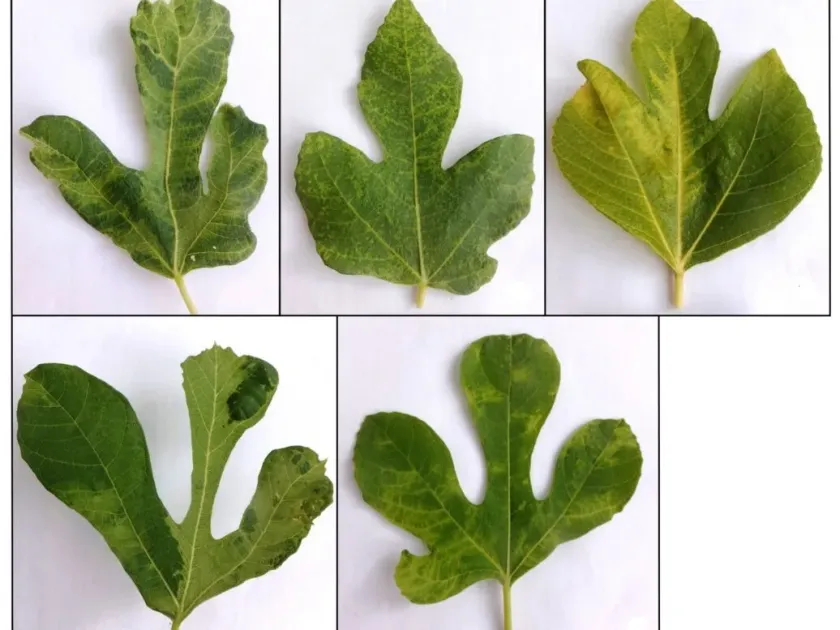
Description
Pathogen
Alphaendornavirus rupifigonis is a plant virus belonging to the Endornaviridae family that specifically infects fig trees (Ficus carica).
Unlike many other plant viruses, this virus does not possess a protein capsid and exists as a double-stranded RNA molecule residing within the host cells.
The virus is characterized by its endophytic nature, colonizing the plant tissues without causing immediate disease symptoms in most cases.
It is transmitted primarily through vertical inheritance, specifically via the seeds of the infected fig tree, ensuring its persistence through generations.
Detection of the pathogen is complex and requires specialized molecular diagnostics, as typical serological tests are ineffective for this virus.
Conditions for development
The spread of the virus is largely facilitated by agricultural practices that rely on seed propagation rather than vegetative cuttings from verified healthy parents.
Environmental conditions do not play a primary role in the transmission of this virus, as it is locked within the genetic and reproductive cycle of the plant.
The virus exhibits remarkable stability, persisting within the plant tissues across various climatic zones where figs are cultivated.
As the virus is not spread by insect vectors or mechanical contact, the risk of transmission within an orchard is limited to planting infected material.
Effective containment depends entirely on the initial screening and certification of the planting stock used in the orchard establishment.
Why it matters
The harm caused by Fig alphaendornavirus is primarily subclinical, meaning it affects the plant's metabolic efficiency without causing visible lesions or necrosis.
While infected trees may appear healthy, there is potential for reduced vigor and long-term productivity degradation under adverse growth conditions.
Economic damage is most significant in the nursery industry, where the presence of the virus prevents the certification of high-quality plant material.
It hampers international trade of plant material, as phytosanitary regulations strictly limit the movement of virus-infected stock.
The pathogen necessitates investments in laboratory-based therapy to save and sanitize valuable germplasm for breeding programs.
Protection
Preventative measures focus on establishing orchards with certified, virus-tested nursery stock obtained from reliable sources.
Routine molecular surveillance of mother trees is essential to prevent the propagation of the virus into new plantings.
Discarding seeds from symptomatic or tested-positive trees is a necessary practice to maintain the phytosanitary status of the orchard.
Where vegetative propagation is used, it should be strictly managed by ensuring the parent plant is free from Alphaendornavirus rupifigonis.
- Use only certified virus-free seedlings for planting.
- Implement molecular diagnostic screenings for parent orchards.
- Avoid seed-based propagation without prior health checks.
- Utilize meristem culture to produce healthy stock from infected cultivars.
Discussion
No discussions yet — be the first.