
Pepper alphaendornavirus
Alphaendornavirus fucapsici
Description
Symptoms
Common symptoms associated with this infection include systemic mosaic patterns on leaves, characterized by light and dark green areas.
Infected plants frequently exhibit stunted growth, with shortened internodes and deformed, curled leaves that hinder photosynthetic capacity.
The fruit set is often reduced, and the harvested peppers may show physical deformities, bumpy surfaces, or uneven ripening coloration.
In some cases, the virus may cause localized necrotic spots on the foliage, though these symptoms are highly dependent on the plant cultivar.
Because the virus can be latent, many growers may overlook the infection until the plant vigor visibly declines during stressful conditions.
Pathogen
Pepper alphaendornavirus (Alphaendornavirus fucapsici) is a viral pathogen that specifically affects pepper plants (Capsicum spp.).
It is a single-stranded RNA virus classified within the Endornavirus genus, known for its ability to reside within the plant cells.
The virus is characterized by a high rate of seed transmission, which makes it a significant concern for seed production companies and farmers alike.
It typically exhibits a persistent mode of infection, often remaining latent for long periods without causing immediate visible damage to the host.
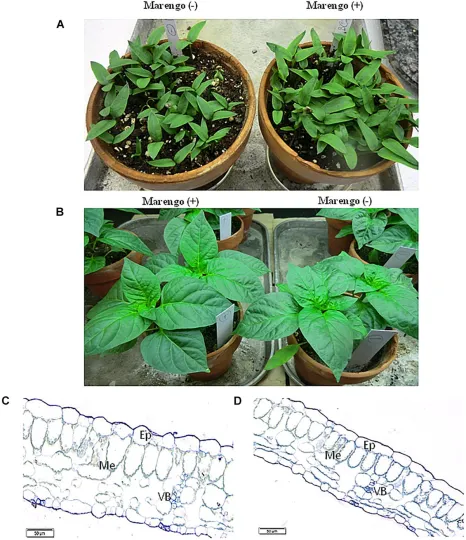
Scientific research indicates that this virus integrates into the plant's metabolic pathways, potentially altering development and yield outcomes.
Conditions for development
The primary driver for the spread of Alphaendornavirus fucapsici is the use of contaminated seeds harvested from infected parent plants.
Environmental conditions such as high temperatures and water stress can exacerbate the expression of viral symptoms in greenhouse environments.
Mechanical transmission via contaminated pruning tools or contact during agricultural operations is a significant risk factor in intensive farming.
Poor ventilation and high humidity in greenhouses can lead to weakened plant defenses, making the crop more susceptible to viral activity.
The presence of alternative host plants or weeds nearby can serve as a reservoir, increasing the pressure of infection on the commercial crops.
Why it matters
The virus causes significant harm by reducing the overall yield potential and decreasing the market value of the pepper fruit due to deformities.
Chronic infection results in weakened plant metabolism, leading to early senescence and the premature dropping of flowers and young fruits.
Infected crops are generally less resilient, making them more vulnerable to secondary fungal or bacterial infections that occur under field conditions.
Economic damage is exacerbated by the loss of harvestable seeds, as the virus can be passed to the next generation, rendering the seed stock unusable.
Large-scale outbreaks can lead to uniformity issues in fruit ripening, complicating harvesting schedules and increasing labor costs for sorting.
Protection
The most effective strategy for controlling this virus is the use of certified, virus-free seeds obtained from reputable, pathogen-tested sources.
Strict sanitation protocols for equipment, including sterilizing pruning shears and machinery, are essential to prevent mechanical transmission.
Effective weed control within and around the fields is necessary to eliminate potential viral reservoirs that could harbor the pathogen.
Early detection and rogueing—removing and destroying infected plants—is critical to preventing the spread within a greenhouse or field.
- Selection of resistant or tolerant pepper varieties.
- Implementation of robust crop rotation schedules.
- Monitoring of insect populations that may serve as potential vectors.
- Maintaining optimal nutrition to boost the plant's natural defense mechanisms.
Discussion
No discussions yet — be the first.