
Lettuce mottle virus
Alphacytorhabdovirus lactucamaculante
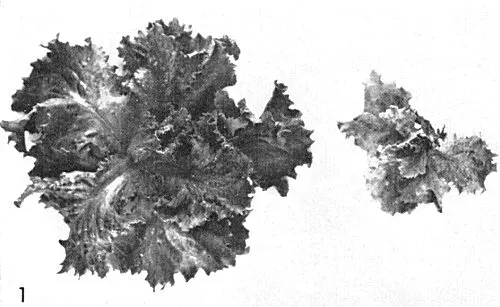
Description
Symptoms
The disease typically manifests as chlorotic spots or a mottled, mosaic pattern appearing on the leaves of the affected plants.
As the infection progresses, necrotic lesions may develop, leading to the gradual browning and death of leaf tissue.
Stunted growth is a hallmark symptom, with infected plants often appearing significantly smaller than healthy ones in the same plot.
Leaf deformation, including curling, crinkling, or crinkled margins, is common in moderate to severe stages of the infection.
In many cases, affected lettuce fails to form proper heads, resulting in loose, unmarketable produce that lacks structural integrity.
Pathogen
The causal agent of this disease is the Lettuce mottle virus, classified within the Alphacytorhabdovirus genus.
It is a plant-pathogenic RNA virus that primarily impacts various species within the Asteraceae botanical family.
The transmission is primarily carried out by aphid species, which act as vectors while feeding on infected plant tissues.
Upon ingesting the virus, aphids can transmit the pathogen to healthy lettuce plants during subsequent feeding sessions.
The biological cycle of this virus is strictly linked to insect activity, making it a critical concern in vegetable production systems.
Conditions for development
The spread of the virus is highly dependent on the population dynamics of aphids within the agricultural ecosystem.
Favorable weather conditions for insect development, such as mild temperatures and humidity, increase the risk of rapid outbreaks.
Surrounding weeds often act as reservoirs, allowing the virus to persist in the environment even when no crop is present.
High-density planting configurations facilitate the movement of vectors between plants, accelerating the rate of infection.
Poor field sanitation allows the virus to survive in crop residues, creating an environment ripe for primary infections.
Why it matters
Lettuce mottle virus causes substantial economic losses by reducing the overall yield and marketability of lettuce crops.
The visible symptoms of necrosis and mottling render the produce unacceptable for sale in premium commercial markets.
Nutritional value and plant vitality are significantly impaired, reducing the shelf life and quality of harvested heads.
In greenhouses, this disease can spread quickly, potentially causing significant production losses within a single growing season.
Managing the outbreaks requires consistent resources, increasing the overall cost of production for vegetable growers.
Protection
Integrated pest management (IPM) focusing on aphid control is the most effective way to prevent the spread of this virus.
Routine weeding of the surrounding areas is essential to remove alternative hosts that harbor both the virus and its vectors.
Selecting resistant cultivars is a key agronomic strategy to minimize the impact of the disease in high-risk areas.
Using protective covers or insect-proof netting can act as a physical barrier to prevent aphids from reaching the crop.
Prompt roguing, which involves removing and destroying symptomatic plants, is critical to slowing down the spread of the virus.
Discussion
No discussions yet — be the first.