
Alphachrysovirus verticillii
Alphachrysovirus verticillii
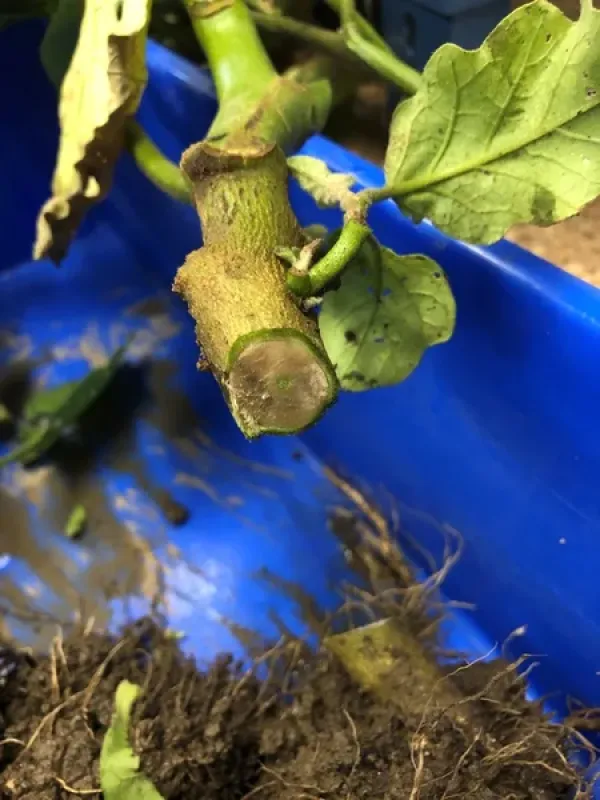
Description
Pathogen
Alphachrysovirus verticillii is a member of the family Chrysoviridae, categorized as a mycovirus. This virus specifically infects fungal species within the Verticillium genus, which are well-known plant pathogens causing severe vascular wilt diseases.
The virus possesses a segmented double-stranded RNA genome protected within a non-enveloped icosahedral capsid. It resides and replicates within the fungal hyphae, exploiting the metabolic machinery of the host fungus.
Transmission of the virus primarily occurs horizontally through hyphal anastomosis, where cytoplasmic exchange allows the virus to spread between different fungal colonies in the same environment.
Vertical transmission is also a critical mechanism, as the virus is passed down to subsequent generations of the fungus via spores. This ensures the persistence of the viral infection in the soil and contaminated crop debris.
The interaction between the virus and its fungal host is complex, often involving co-evolutionary processes that dictate the survival and spread of both the mycovirus and the pathogen itself.
Why it matters
The primary significance of Alphachrysovirus verticillii lies in its ability to induce hypovirulence in its host, Verticillium dahliae. This reduction in fungal virulence can significantly decrease the pathogen's ability to infect plants.
When the fungus is infected by the virus, it often shows a diminished capacity to produce the extracellular enzymes and toxins required for host colonization and vascular damage, which mitigates disease severity.
However, the impact on agriculture is complex, as the virus may alter the fitness and reproductive success of the fungus, leading to unpredictable dynamics in the soil mycoflora.
While the virus is not directly harmful to crop plants, its presence within the pathogen can influence the overall disease progression, potentially reducing the damage caused to vegetable crops.
Understanding the molecular mechanisms of this hypovirulence provides opportunities to use the virus as a biocontrol agent against severe fungal wilt diseases in agricultural systems.
Protection
Currently, there are no direct chemical control measures for the mycovirus itself, as its role is generally considered beneficial for plant protection due to the potential reduction of fungal virulence.
Standard agronomic practices, such as crop rotation, remain essential to limit the build-up of Verticillium populations in the soil, regardless of the presence of the mycovirus.
Sanitation of agricultural equipment and the use of certified, disease-free planting material help prevent the introduction of new, highly virulent fungal strains into clean fields.
Research into the intentional release of virus-infected fungal strains (biological control) is ongoing to assess its effectiveness as a long-term solution for managing wilt diseases in a sustainable manner.
Effective soil management and maintaining soil health are key strategies in preventing the establishment of pathogenic fungal communities that facilitate the spread of Verticillium diseases.
Discussion
No discussions yet — be the first.