
Alphacarmovirus calibrachoae
Alphacarmovirus calibrachoae
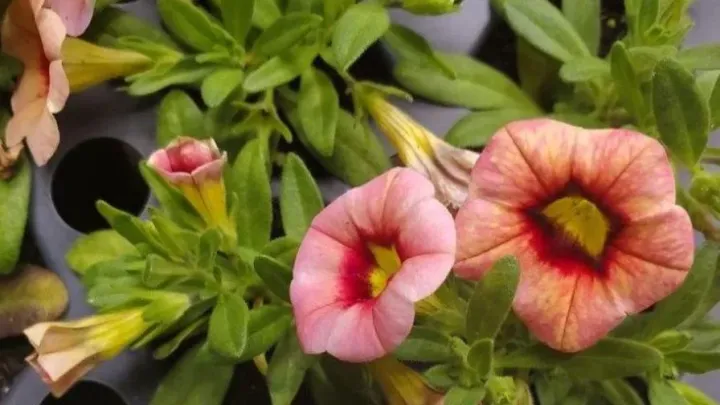
Description
Symptoms
The most common symptoms include chlorotic spotting and a distinct mosaic pattern on the leaves. These patterns often create a mottled appearance, significantly detracting from the plant's aesthetic value.
Affected plants typically show stunted growth and deformed leaves, which may curl or thicken. The plant structure becomes uneven, and the overall vigor is clearly compromised.
Floral symptoms are particularly noticeable, as the flowers may exhibit streaking or color break. The blooms are often smaller than normal, fewer in number, and fail to develop properly.
In advanced stages of infection, foliage may show signs of necrosis and general yellowing. These symptoms are often more pronounced under conditions of high environmental stress.
- Mottled leaf mosaic
- Stunted shoot development
- Color breaking in petals
- Leaf deformation and curling
Pathogen
The causal agent of this disease is Alphacarmovirus calibrachoae, a plant virus belonging to the Alphacarmovirus genus. This pathogen is known specifically for infecting members of the Calibrachoa genus, often seen in horticultural environments.
The virus acts as a systemic pathogen, moving through the vascular tissues of the host plant. It interferes with normal cellular replication, eventually affecting the overall growth and health of the plant.
A key biological feature of this virus is its ability to remain latent within host tissues. Infected plants may not show clear signs for an extended period, which aids in its silent spread through nurseries.
The virus is physically robust and can persist in soil, plant debris, and on tools. Its ability to remain infectious outside the host is a significant challenge for greenhouse sanitation.
Transmission occurs primarily through mechanical contact and insect vectors. Because it spreads so easily during normal plant maintenance, it requires stringent hygiene protocols to contain.
Conditions for development
High humidity and poor ventilation are ideal conditions for the development and spread of the virus. Moist leaf surfaces facilitate the transfer of viral particles during handling or grooming.
Overcrowded conditions in nurseries significantly increase the risk of transmission. When plants are kept in close proximity, contact between healthy and infected foliage is inevitable.
Insect vectors, particularly aphids and thrips, are effective carriers. They feed on plant juices and can introduce the virus into healthy tissues after feeding on an infected source.
Temperature fluctuations and sub-optimal light conditions can exacerbate the symptoms by inducing plant stress, making the virus more active and damaging to the host.
The use of contaminated tools without proper disinfection is a primary driver of the virus's spread in commercial settings. Even minute residues of sap on blades can spread the disease.
Why it matters
The primary damage caused by Alphacarmovirus calibrachoae is the loss of commercial value. Infected plants are considered unsalable and often lead to significant financial losses for growers.
The virus weakens the plant’s immune system, making it more susceptible to opportunistic secondary infections, including fungal pathogens and various bacterial wilts.
Once introduced to a collection, the virus can quickly spread, necessitating the destruction of large batches of plants. This represents a major economic blow to the production cycle.
The asymptomatic phase poses a long-term danger, as it allows the virus to circulate within a greenhouse population undetected. This leads to the buildup of inoculum over time.
Because there is no cure, the cumulative impact of the disease is the destruction of entire plant stocks if containment measures are not strictly enforced from the onset.
Protection
Control relies entirely on preventative measures since there are no treatments to cure the virus. The most effective strategy is the implementation of a strict quarantine for new arrivals.
Professional growers must enforce mandatory sanitation for all cutting tools and equipment. Disinfectants such as sodium hypochlorite or specialized antiviral solutions should be used between every plant handled.
Rigorous insect control programs are essential to minimize the role of vectors. Keeping aphid and thrips populations low is critical to preventing the secondary spread of the virus.
Regular inspection and immediate removal of any symptomatic plants are necessary. Infected individuals should be bagged and destroyed to prevent further contamination of the remaining stock.
Sourcing plant material from reputable, virus-tested laboratories is the best long-term strategy for preventing the introduction of this pathogen into your greenhouse or garden.
Discussion
No discussions yet — be the first.