
Alphacarmovirus
Alphacarmovirus
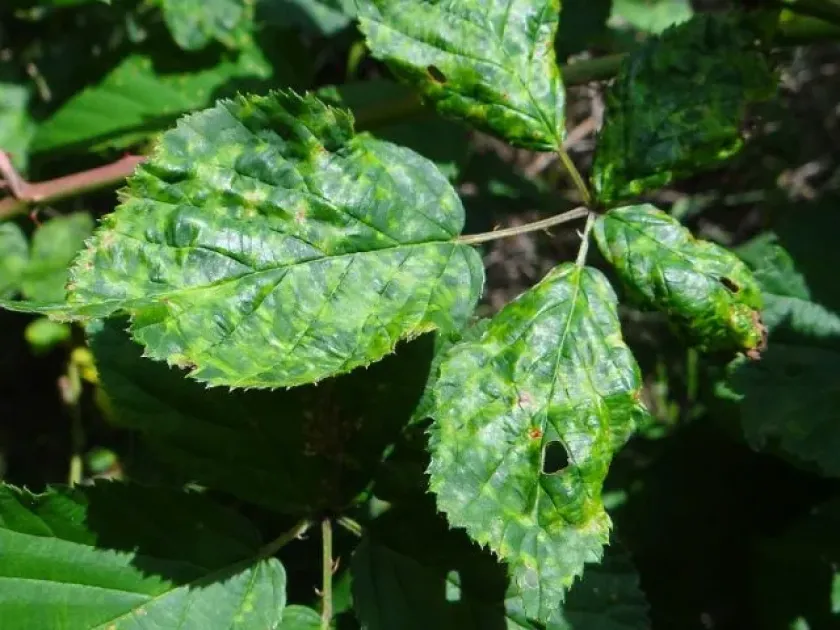
Description
Symptoms
The primary symptoms include chlorotic mottling, mosaic patterns on leaves, and a significant reduction in overall plant vigor and growth rate.
Infected plants often display leaf deformation, curling of margins, and shortened internodes, leading to a stunted and sickly appearance.
In ornamental species, such as carnations, the virus may cause flower breaking or abnormal color patterns, which significantly reduces the market value.
Necrotic spots or streaks may appear in advanced stages of the disease, eventually leading to tissue collapse or premature senescence of the foliage.
Symptoms can vary depending on the plant host, environmental conditions, and the specific strain of the virus, making visual diagnosis challenging.
Pathogen
Alphacarmovirus is a genus of viruses within the Tombusviridae family. These viruses are characterized by a single-stranded RNA genome and non-enveloped icosahedral virions.
The disease caused by this genus is typically characterized as a systemic viral infection that compromises the plant's metabolic functions at a cellular level.
These viruses replicate within host cells, hijacking the plant's metabolic machinery to produce viral proteins, which disrupts normal development.
Transmission occurs primarily through mechanical injury, contact between healthy and infected tissues, and the use of contaminated gardening equipment.
Due to the high environmental stability of their virions, these viruses can persist in plant debris and soil for extended periods, posing a constant threat.
Conditions for development
Development and spread of the virus are most active under moderate temperatures that support plant metabolic processes and systemic viral transport.
High humidity in greenhouses and field conditions aids in the survival of the virus on surfaces and within the root zone environment.
Anthropogenic factors, particularly the use of non-sterilized tools during pruning, harvesting, or propagating, are the main drivers of rapid spread.
The presence of susceptible weed species within or near the crop area can serve as a reservoir, harboring the virus throughout the off-season.
Intensive planting patterns and lack of proper crop rotation contribute to higher transmission rates due to increased contact between plant tissues.
Why it matters
The economic impact of Alphacarmovirus is significant, characterized by reduced yields and decreased quality of agricultural and ornamental produce.
Infected crops exhibit poor development, which makes them less competitive and more susceptible to further damage from environmental stress.
The aesthetic value of cut flowers is severely compromised, rendering them unsellable and leading to direct financial losses for growers.
Chronic viral infection in perennial plantations often leads to gradual cultivar degeneration, necessitating expensive nursery stock replacement.
Furthermore, weakened plants are more susceptible to opportunistic fungal and bacterial infections, compounding the overall damage to the crop.
Protection
The most effective strategy involves strict phytosanitary measures, including the systematic removal and destruction of infected plant material.
Disinfection of all tools and equipment using approved chemical agents is crucial to prevent mechanical transmission during routine maintenance.
- Utilizing only virus-indexed, certified disease-free propagation material.
- Implementing rigorous weed management programs to eliminate reservoirs.
- Monitoring crops for early signs of infection to contain potential outbreaks.
Where applicable, integrating the use of resistant or tolerant cultivars offers a sustainable long-term solution for disease management.
Maintaining optimal plant nutrition and health helps mitigate the severity of symptoms, though it does not provide full immunity to the virus.
Discussion
No discussions yet — be the first.