
Alphabaculovirus
Alphabaculovirus
Description
Symptoms
The initial signs of infection include a noticeable cessation of feeding by the larvae and a general reduction in their movement and physiological activity.
As the infection progresses, infected larvae often exhibit "tree-top disease," climbing to the highest parts of the host plant before succumbing to the virus.
The cuticle of the infected insect becomes extremely fragile and may darken. The internal tissues liquefy, turning into a virus-rich fluid that is easily released upon physical disruption.
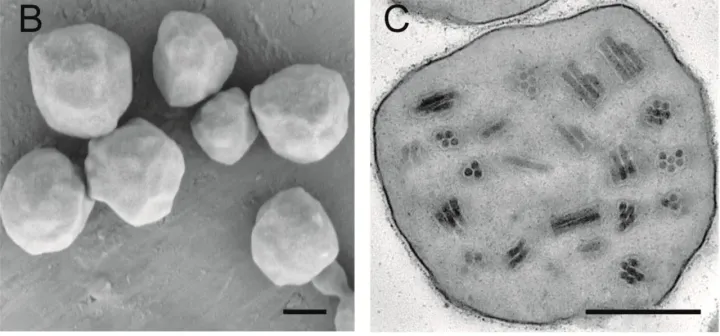
Microscopic examination of the tissue will reveal the presence of polyhedral occlusion bodies, which confirms the diagnosis of a baculovirus infection.
In the field, one may observe dead larvae hanging from leaves or stems, with their bodies ruptured and releasing infectious material to neighboring larvae.
Pathogen
Alphabaculovirus is a genus of viruses within the Baculoviridae family, which are highly specialized entomopathogens. These viruses specifically infect larval stages of insects, primarily order Lepidoptera, making them essential tools for biological pest control.
The virions are encased in protective protein bodies called occlusion bodies. This structure ensures environmental stability, allowing the virus to persist on leaf surfaces until ingested by a host larva.
The infection process begins when a larva consumes contaminated foliage. Within the alkaline environment of the insect gut, the protein shell dissolves, releasing the infectious viral particles.
Once released, the virus replicates rapidly within the nuclei of the insect's midgut cells and adipose tissue, eventually causing systemic infection and the death of the host.
This genus is noted for its high host specificity, meaning it does not pose a threat to beneficial insects, plants, vertebrates, or human health.
Conditions for development
The spread of Alphabaculovirus within a crop depends heavily on the population density of the target pest; higher densities facilitate faster viral transmission.
Environmental humidity and moisture, such as morning dew, are critical for maintaining the viability of viral particles deposited on plant foliage.
Optimal temperatures for viral replication in the host range from 20°C to 28°C, while extreme heat can inhibit the virus’s efficacy.
Exposure to direct sunlight is the primary factor limiting the lifespan of the virus in the field, as ultraviolet rays degrade the proteinaceous shell.
Therefore, successful deployment of these biopesticides requires application strategies that account for solar intensity and leaf canopy coverage.
Why it matters
Alphabaculovirus causes no harm to plants. It is exclusively an insect pathogen and lacks the biological machinery to infect, colonize, or damage plant tissues.
Its primary role is beneficial to agricultural output, as it naturally suppresses pest populations that would otherwise cause significant economic damage.
Without the natural check provided by such viruses, the pest population can quickly exceed economic injury thresholds, leading to severe yield losses.
Therefore, these viruses serve as an alternative to broad-spectrum chemical pesticides, helping to maintain ecological balance within the agroecosystem.
The presence of these viruses is an indicator of a healthy, functioning ecosystem where biological regulation of pests is active.
Protection
Control strategies involve the application of formulated baculovirus-based insecticides, targeting the early larval stages of lepidopteran pests.
- Apply during evening hours to avoid UV degradation of the viral particles.
- Include adjuvants in the spray mix to enhance leaf surface adhesion and persistence.
- Monitor pest population thresholds to ensure timely and effective application.
- Avoid the use of harsh antimicrobial or fungicidal chemicals that might interfere with viral efficacy.
- Store commercial bioproducts in refrigerated environments to maintain viral viability.
Integrated Pest Management (IPM) incorporates these viruses as a core component to reduce dependency on chemical synthetic insecticides.
In controlled environment agriculture, such as greenhouses, proper sanitation prevents the unintentional spread of virus-contaminated debris.
Farmers are advised to use high-quality, standardized viral formulations to ensure consistent results and reliable pest suppression across different crop seasons.
Discussion
No discussions yet — be the first.