
Agrocybe
Agrocybe
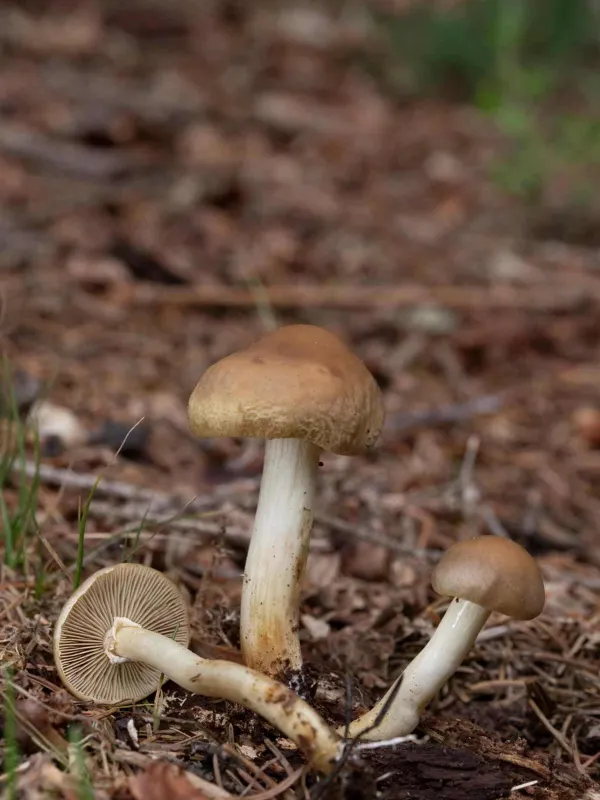
Description
Symptoms
The primary visual sign is the emergence of mushroom fruiting bodies near the roots or the lower trunk of the plant during late summer or autumn.
Infected plants display a gradual decline in vigor, characterized by yellowing foliage, stunted growth, and premature leaf drop across the entire canopy.
The area near the root collar often shows softened bark and, upon deeper inspection, a distinct white mycelial mat with a characteristic earthy or fungal odor.
A loss of stability is a common indicator; the roots are weakened to such an extent that the plant may tip over even under moderate wind stress.
Cross-sections of the wood reveal internal decay, where the tissue loses its fiber strength, becoming brittle and easily crumbling under mechanical pressure.
Pathogen
The genus Agrocybe belongs to the Strophariaceae family. While many species are primary saprotrophs, some can act as opportunistic pathogens, targeting weakened or stressed plant tissues.
The pathogen spreads via mycelial growth, which invades the root system or damaged bark. Once inside, the fungus secretes enzymes to break down lignin and cellulose, compromising the host structure.
It is a basidiomycete fungus that reproduces through spores dispersed by wind, water, or mechanical contact. In suitable conditions, the fungus produces visible fruiting bodies at the base of the infected plant.
The infection manifests as white root or stem rot. This biological destruction of tissue results in a loss of structural integrity, often causing the plant to collapse over time.
The pathogen is highly persistent, capable of surviving in the soil or within decomposing organic matter for several years before finding a new susceptible host.
Conditions for development
Excessive soil moisture and poor drainage create an ideal anaerobic environment for the fungus to establish itself in the root zone.
Mechanical damage to roots or stems, often caused by agricultural equipment or pests, provides the necessary entry points for fungal infection.
High humidity combined with warm temperatures accelerates the germination of spores and the subsequent colonization of the host plant.
Trees and crops under nutritional stress or those located in sites with competing vegetation are more susceptible to becoming hosts for this pathogen.
Accumulation of dead woody debris and decaying organic material around the base of plants fosters a microclimate suitable for high-density fungal activity.
Why it matters
The disease leads to progressive root decay, effectively severing the plant's connection to nutrients and water, ultimately resulting in death.
Economically, the presence of this fungus in orchards or nurseries necessitates the removal of affected stock, leading to significant yield and investment losses.
The pathogen spreads from infected roots to healthy neighbors through root contact, turning small incidents into larger-scale plantation health issues.
In addition to direct mortality, the reduction in canopy density and nutrient intake leads to lower fruit production and compromised plant vigor.
Once a field is infested, the soil requires extensive decontamination, as the persistent mycelium makes immediate replanting in the same spot risky.
Protection
Effective management begins with strict sanitation: removing dead wood, stumps, and decayed plant debris to eliminate reservoirs of the pathogen.
Improving drainage and soil aeration is critical to prevent the moisture levels that favor fungal growth and root rot development.
Careful handling during cultivation and pruning is essential to avoid creating wounds that could serve as entry points for the fungal mycelium.
If infection is detected early, localized treatment with appropriate systemic fungicides can help slow down the spread of the disease.
- removal of severely infected plants;
- disinfection of soil in affected areas;
- use of biological control agents to outcompete the pathogen.
Discussion
No discussions yet — be the first.