
Agaricus cappellianus
Agaricus cappellianus
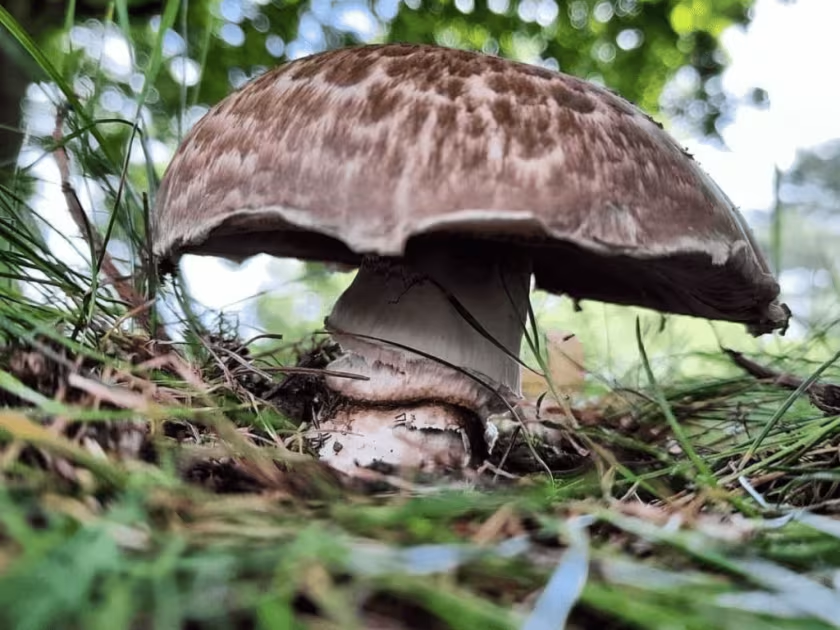
Description
Symptoms
The primary symptom is the emergence of Agaricus cappellianus fruiting bodies, which are visually distinct from the cultivated mushroom varieties.
Dense mycelial mats develop within the substrate, causing noticeable changes in color and textural consistency compared to healthy areas.
Growth unevenness on the mushroom beds is a clear indicator, often accompanied by an atypical, pungent odor.
Significant yields of malformed, undersized, and off-standard mushrooms are observed following a successful infection.
- Presence of non-commercial mushroom fruit bodies.
- Stunted growth of the desired mushroom mycelium.
- Color degradation of the casing layer.
Pathogen
Agaricus cappellianus is a fungal species that, within the context of industrial mushroom cultivation, functions as a competing or pathogenic organism.
The type of disease is classified as a mycological infestation of the substrate used for growing edible mushrooms like Agaricus bisporus.
Biologicaly, this species acts as a soil saprotroph, but in controlled indoor environments, it becomes an invasive threat to primary cultures.
The main distribution vector is contaminated casing soil or inadequate sterilization of raw materials before the growing cycle begins.
This fungus possesses high physiological adaptability, allowing it to rapidly outcompete desired strains for nutrients within the compost.
Conditions for development
The development of this fungus is triggered by consistently high moisture levels in the substrate, typically exceeding 70%.
Optimal temperatures for the spread of this pathogen range between +18 and +24 degrees Celsius, matching standard mushroom cultivation modes.
Failure in the substrate pasteurization process creates a biological gap that this fungus quickly exploits to establish dominance.
Poor ventilation within the growing halls increases carbon dioxide concentration, which stimulates the growth of this competing species.
High pH levels in the casing soil can also promote the rapid colonization of this species over the primary mushroom culture.
Why it matters
The harmfulness of Agaricus cappellianus lies in the direct competition for nitrogen and essential micronutrients in the substrate.
Metabolic secretions from this fungus can inhibit the development of the primary culture, significantly reducing total output.
Infestation often necessitates the termination of the production cycle to undergo extensive facility disinfection and sterilization.
The marketable quality of the crop is severely compromised, as the presence of foreign species reduces overall crop uniformity.
Economic damage can result in losses of 40% or more of the planned yield, making the prevention of this species vital for farm success.
Protection
The primary defense strategy involves strict adherence to the technological protocol for substrate preparation and thermal treatment.
Rigorous inspection of all components of the casing soil is required to prevent the introduction of spores into the facility.
Maintaining optimal microclimate parameters, such as humidity and airflow, helps minimize the risk of pathogen activation.
If contamination occurs, infected patches must be removed immediately alongside a portion of the surrounding substrate to prevent sporulation.
Comprehensive sanitation of equipment and grow rooms between cycles is essential to eliminate residual spores and ensure future crop safety.
Discussion
No discussions yet — be the first.