
Acrasis rosea
Acrasis rosea
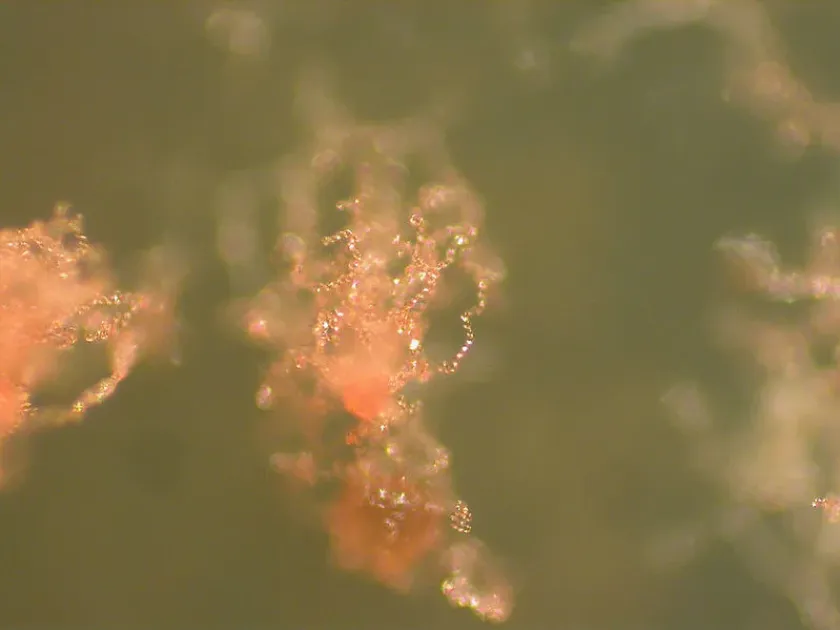
Description
Symptoms
The primary symptom of infection is the emergence of discolored, softened areas on the stems or leaves of the affected plant. These lesions often display a distinct pink or salmon-colored hue.
Tissues affected by Acrasis rosea lose their structural integrity and become mushy. This process is frequently accompanied by a foul odor due to the activation of secondary microorganisms.
Microscopic examination of the affected surfaces reveals fine, powdery deposits representing the spore-bearing structures of the organism, often appearing in clusters.
Systemic symptoms include wilting, chlorosis (yellowing of leaves), and a general lack of vigor. As the pathogen advances, the plant may collapse due to the loss of root or stem function.
In severe infections, the rapid colonization of the crown or root collar area leads to the sudden death of the plant, especially in high-density seedling stands.
Pathogen
Acrasis rosea is a microscopic organism classified within the group of acrasid slime molds. Unlike true fungi, it displays a unique life cycle characterized by the aggregation of amoeboid cells into distinct, multicellular structures.
The pathogen produces characteristic pink or reddish fruiting bodies that indicate the presence of high-density cell populations. These structures are essential for the survival and dispersal of the organism.
In the agricultural environment, this organism typically inhabits the soil or decaying organic matter. It acts as an opportunistic pathogen that can colonize plant tissues under specific stress conditions.
The resilience of its spores allows Acrasis rosea to persist in various environmental conditions, including dry soil, waiting for the return of moisture to resume its metabolic activity.
Biological studies highlight its role as an agent of cellular degradation, utilizing specialized enzymes to break down organic materials, including living plant cell walls.
Conditions for development
High relative humidity, typically above 80%, is the primary environmental driver for the development and spread of Acrasis rosea in greenhouse settings.
The pathogen thrives in warm conditions, with optimal development occurring between 20°C and 25°C. These temperatures accelerate the life cycle and sporulation process.
Poor ventilation and overcrowded planting conditions create a microclimate that prevents the drying of foliage and soil, directly favoring the proliferation of the slime mold.
The presence of uncomposted or decomposing plant debris in the growing medium acts as a constant reservoir for the pathogen, fueling potential outbreaks.
Water splashing during irrigation serves as the main vector for dispersal, spreading spores from the soil to the lower leaves and stems of healthy plants.
Why it matters
The economic impact of Acrasis rosea is significant, particularly in horticultural production where it can lead to massive losses of seedlings and young plants.
The pathogen destroys the structural integrity of crops, making them unsellable and reducing the overall quality of the harvest through rapid decay processes.
By compromising the vascular system of the host plant, the slime mold hinders the transport of nutrients and water, leading to stunted growth and reduced fruit yield.
Contamination of the growing substrate presents a long-term problem for growers, requiring expensive soil replacement or intensive chemical sterilization to reclaim the land.
The disease also facilitates the secondary entry of more aggressive bacterial or fungal pathogens through the necrotic tissues created by the initial infection.
Protection
The most effective strategy involves rigorous moisture management, including ensuring proper greenhouse ventilation and avoiding water accumulation on soil surfaces.
Sanitation is paramount; removing and destroying infected plant debris prevents the buildup of the inoculum in the growing environment over time.
Pre-planting sterilization of the substrate and potting medium is highly recommended to eliminate existing spore populations before seedlings are introduced.
Fungicidal applications may be employed to suppress the pathogen, although they are most effective when combined with strict cultural and environmental control measures.
- Regular disinfection of all greenhouse equipment and tools.
- Implementing wide spacing between plants to improve airflow.
- Using sterile or high-quality peat-based substrates.
- Frequent monitoring of plants for early symptoms of discoloration.
Discussion
No discussions yet — be the first.