
Acrasiales
Acrasiales
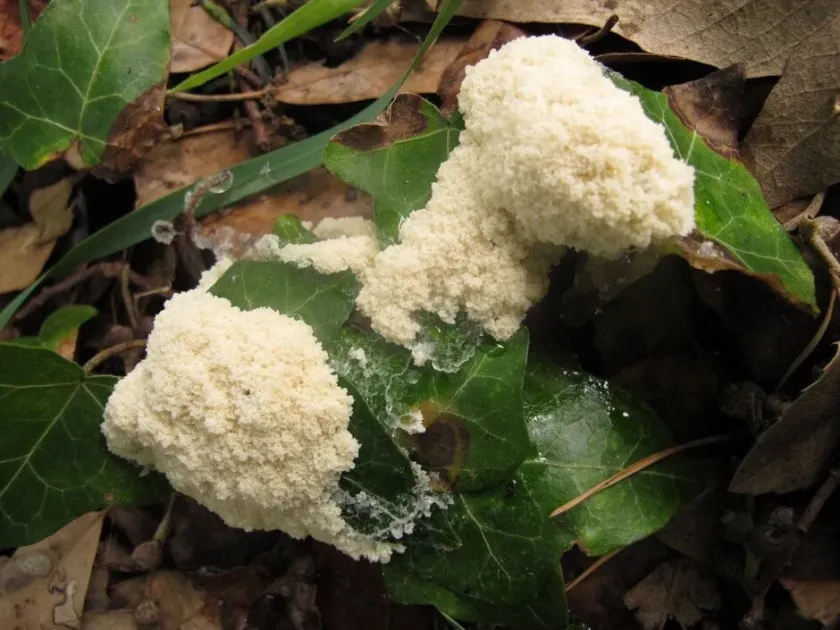
Description
Symptoms
Symptoms of Acrasiales involvement include the appearance of slimy, gelatinous films on the soil surface or plant stems.
Affected plants often display signs of root stress, including stunted growth and yellowing of the lower leaves.
In advanced stages, the collar of the plant may appear soft or water-soaked, indicating potential necrosis of the tissue.
Roots may show reduced development and impaired ability to uptake essential nutrients from the surrounding soil.
The visual presence of translucent or white aggregates of cells is a diagnostic feature under high moisture conditions.
Pathogen
Acrasiales are a group of organisms historically classified as cellular slime molds, belonging to the Acrasiomycetes class.
These organisms spend the majority of their life cycle as independent amoebae living within the moist soil layers.
During their growth phase, they aggregate into complex structures known as pseudoplasmodia, which facilitate movement and survival.
While they are primarily saprotrophic, their presence in agricultural soils can signify an imbalance in the root zone environment.
They act as biological indicators of soil moisture levels and are often found in proximity to decaying organic matter.
Conditions for development
Development of Acrasiales is strictly dependent on high humidity and poor drainage of the growing substrate.
The optimal temperature range for their development is between 15°C and 25°C, typical of many greenhouse environments.
Accumulation of partially decomposed plant debris provides the necessary nutrients for their proliferation in the soil.
Poor soil aeration and constant saturation significantly increase the speed of their spread across the field.
Compaction of the topsoil layer creates anaerobic conditions that favor these organisms over beneficial aerobic microbes.
Why it matters
Their harm is largely indirect, as they facilitate the colonization of plant tissues by more aggressive bacterial pathogens.
Acrasiales inhibit proper gas exchange in the rhizosphere, leading to reduced vigor and weakened structural integrity of young plants.
Significant infestations can cause seedling damping-off and reduce the total yield in sensitive vegetable crops.
They put additional pressure on plants that are already stressed by environmental factors or nutrient deficiencies.
Persistent presence of these slime molds hampers the development of a healthy root system, resulting in poor crop establishment.
Protection
Implementing effective drainage systems is the primary defense strategy to prevent the buildup of soil moisture.
Improving soil aeration through cultivation and the use of well-composted organic material is highly recommended.
Sanitation practices in greenhouses, including the disinfection of benches and equipment, are crucial for prevention.
- Regular monitoring of soil moisture levels.
- Maintaining proper pH levels through liming when necessary.
- Applying microbial inoculants like Trichoderma to boost soil health.
- Ensuring crop rotation to break the life cycle of soil-borne organisms.
In cases of high infestation, avoiding excessive irrigation is essential to limit the mobility and spread of amoeboid cells.
Discussion
No discussions yet — be the first.