
Radish
Raphanus sativus x Brassica rapa
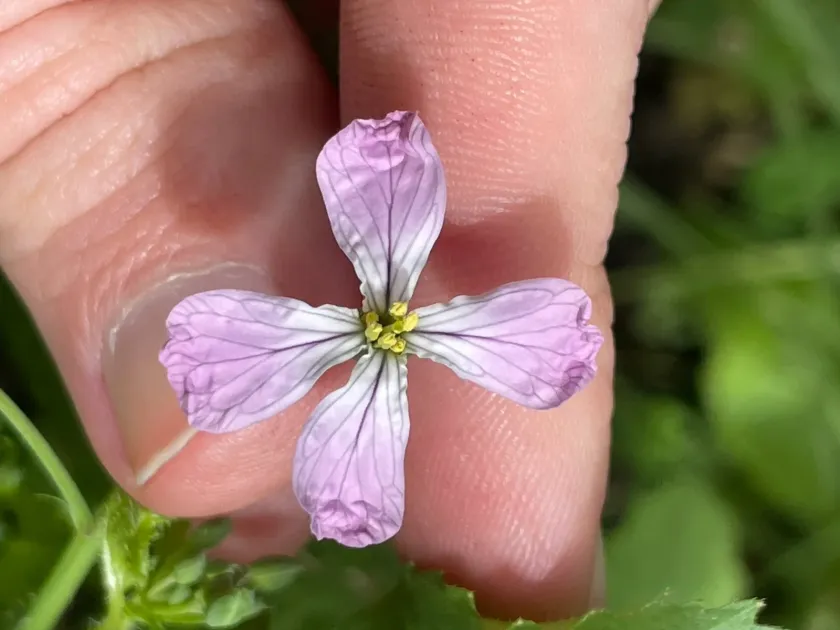
Description
Sowing dates
Radish (Raphanus sativus) is a popular root crop belonging to the Brassicaceae family, widely cultivated for both human consumption and soil health.
Sowing times are heavily dependent on the variety; spring varieties are sown as soon as the soil is workable, while winter types are sown in mid-summer.
Optimal germination occurs at soil temperatures between 15 and 18 degrees Celsius, although seeds can sprout at much lower temperatures.
Consistent seed depth, usually between 2 and 3 centimeters, is essential to ensure uniform emergence and proper development of the radish root.
For large-scale cultivation, precision seed drills are used to achieve the correct plant density, which prevents overcrowding and competition for resources.
Growing requirements
Radishes thrive in loose, well-drained loamy or sandy soils that have a neutral pH and high organic matter content for optimal growth.
Water availability is critical; uneven irrigation or drought stress causes the roots to become woody, bitter, and prone to cracking or splitting.
The crop prefers cool to temperate climates, as high heat often triggers bolting, where the plant prematurely produces a flower stalk instead of a root.
Sunlight is necessary for photosynthesis, but some summer varieties are bred to tolerate different light conditions and longer daylight hours.
Proper field management includes avoiding fields previously used for other cruciferous crops to prevent the buildup of soil-borne pathogens and pests.
Yield
Achieving high yields requires a comprehensive approach to fertilization, irrigation, and weed management throughout the short growing season.
Depending on the variety and management practices, a yield of 20 to 45 tons per hectare can be expected in well-managed commercial operations.
Timely thinning is an important agronomic practice that ensures each plant has sufficient space to reach its full market potential and size.
Effective nutrient management, focusing on phosphorus and potassium, helps in the development of healthy, dense, and uniform root structures.
Monitoring the plant's growth stages allows for optimized harvest timing, ensuring the highest quality product reaches the consumer market.
Main diseases and pests
The flea beetle is a primary threat, specifically during the seedling stage, where it can skeletonize leaves and severely stunt early growth.
Other major pests include root maggots, aphids, and harlequin bugs, all of which require integrated pest management strategies to keep populations low.
Diseases like clubroot, black rot, and downy mildew represent significant risks, particularly in fields with poor drainage or high humidity.
Cultural controls, such as crop rotation and the use of certified disease-free seeds, are the most effective ways to mitigate disease pressure.
Regular field inspections and the use of targeted biological or chemical pesticides are standard practices to maintain crop health during the season.
Harvesting
Harvesting should occur before the first hard frost, as frozen ground can damage the roots and significantly reduce their storage life and quality.
Mechanical harvesting is common in commercial fields, where specialized equipment lifts the roots, removes the foliage, and cleans the produce.
Post-harvest handling involves rapid cooling to remove field heat, which is essential to prevent wilting and maintain the crisp texture of the radish.
Once harvested and cleaned, the roots should be stored in high-humidity conditions at temperatures slightly above freezing to prolong shelf life.
Proper storage hygiene and monitoring prevent secondary infections and ensure the product remains viable for long-term distribution or market sale.