
Durum wheat
Triticum turgidum L.
Description
Sowing dates
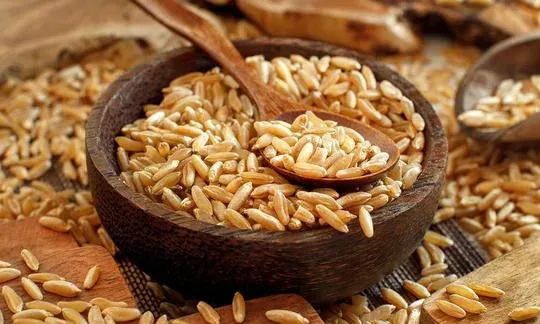
Durum wheat (Triticum turgidum L.), also known as macaroni wheat, belongs to the Poaceae family. It is distinct from common wheat due to its high protein content and hard, vitreous endosperm, which makes it ideal for pasta production.
The sowing period is determined by regional climate zones. In temperate climates, sowing usually occurs in early spring, while in Mediterranean-like climates, it can be sown in late autumn to utilize winter moisture for establishment.
The ideal planting depth for durum wheat is generally 4–6 cm. This placement ensures that the seed reaches a zone with adequate moisture while still allowing the coleoptile to emerge efficiently through the soil surface.
Seeding rates are adjusted based on soil fertility and irrigation availability. Typically, farmers aim for a population of 3 to 5 million viable seeds per hectare to ensure a robust and uniform stand during the growing season.
Post-sowing soil compaction is often recommended to improve the seed-to-soil contact. This practice promotes rapid and uniform germination, which is essential for uniform maturity at harvest time.
Growing requirements
Durum wheat has specific environmental requirements. It thrives in regions with warm, dry summers and plenty of sunshine. Excessive rainfall during the final growth stages can negatively impact the quality of the harvested grain.
Fertile soils, particularly deep black soils (chernozem) or well-drained loams, are preferred. The crop requires a neutral pH and performs poorly in waterlogged or highly acidic environments, which restrict root development.
Nitrogen and phosphorus management is crucial. Adequate phosphorus levels during early growth are essential for root development and tiller production, while nitrogen levels influence the final grain protein concentration.
The crop is sensitive to drought stress during the stem elongation and heading phases. Providing adequate moisture during these critical developmental stages is necessary to achieve high yield potential.
Crop rotation is essential for disease management. Rotating durum wheat with legumes or oilseeds prevents the accumulation of soil-borne pathogens and helps maintain soil structural integrity.
Main diseases and pests
Pests such as the wheat stem sawfly and aphids can cause significant damage to durum wheat crops. These pests affect the plant’s ability to transport nutrients and reduce the overall grain yield and quality.
Diseases like Fusarium head blight (scab), leaf rust, and root rots pose a major threat. Environmental factors like high humidity and moderate temperatures often trigger the spread of these fungal pathogens in the field.
Integrated Pest Management (IPM) strategies are vital. This includes using certified, fungicide-treated seeds and monitoring the field for insect thresholds before applying chemical interventions to manage local populations.
Weed control is also paramount. Competitive weeds compete for sunlight, water, and nutrients. Using selective herbicides during the early tillering phase helps ensure the crop remains the dominant species in the field.
Regular field scouting is required to detect early signs of stress or infection. By identifying issues early, farmers can take corrective actions that save the crop and preserve the potential quality of the grain.
Harvesting
Harvesting should occur when the grain reaches physiological maturity, typically at 12–14% moisture content. Delaying the harvest increases the risk of grain shattering and weathering, which reduces the market value.
Combine harvesters must be adjusted for gentle threshing. Because durum wheat is hard, improper cylinder speed or settings can cause grain splitting, which downgrades the quality of the final milling product.
Proper post-harvest grain management, including aeration and cooling, is required to prevent moisture accumulation. Maintaining cool, dry conditions prevents spoilage and insect infestations during storage in silos.
Grain quality analysis, focusing on protein content and vitreousness, is standard practice after harvest. High-quality durum is separated for milling into semolina, the primary ingredient in premium pasta products.
The culinary demand for durum wheat remains high globally. Due to its unique properties, it creates pasta that holds its shape during cooking, ensuring it remains a premium product in the global grain market.