
Spelt
Triticum aestivum subsp. aestivum x Triticum aestivum subsp. spelta
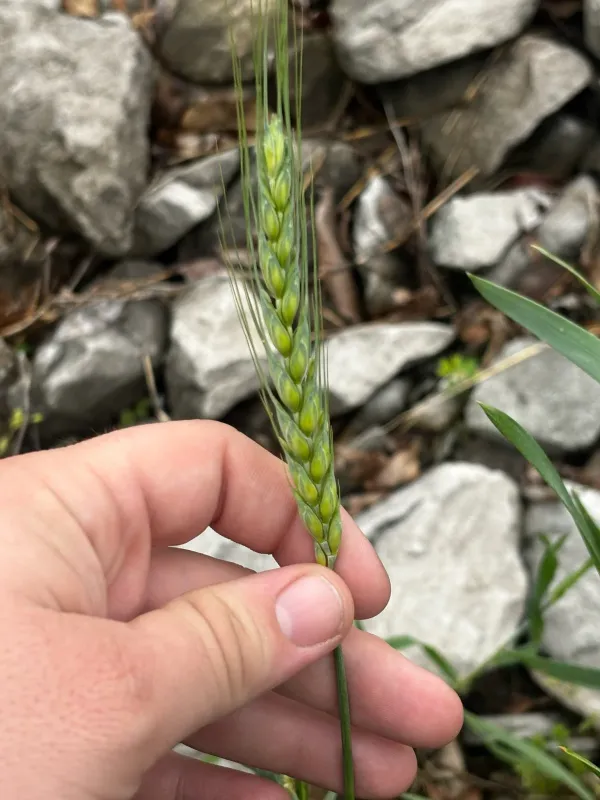
Description
Sowing dates
Spelt is primarily grown as a winter crop, requiring a sowing period in early to mid-autumn. This allows the plants to establish a strong root system and undergo the necessary vernalization before the winter frosts arrive.
The seeding rate for spelt is generally higher compared to common wheat due to the husks that remain attached to the grain. Proper sowing depth, typically between 3 and 5 cm, is essential for ensuring uniform emergence of the seedlings.
Field preparation should involve thorough plowing to ensure optimal soil structure. A well-prepared seedbed encourages rapid development, which is crucial for the crop to compete effectively against weed infestations during spring.
In regions with harsh climates, spring varieties are available, although they often yield less than winter cultivars. Farmers should select certified seeds that are free from cross-pollination with modern wheat varieties to ensure purity.
Proper spacing between rows is recommended to improve air circulation within the canopy, which helps in reducing the incidence of fungal diseases. Modern planters are well-suited for handling spelt seeds if calibrated correctly.
Growing requirements
Spelt (Triticum aestivum subsp. spelta) is a hardy member of the Poaceae family, known for its adaptability. It thrives in various soil types, including those that are less fertile, where other wheat species might struggle to produce.
The crop is highly cold-tolerant and resistant to extreme temperature fluctuations. This makes spelt an excellent choice for northern regions or high-altitude fields where the growing season is characterized by unpredictable weather.
Well-drained, loamy soils are ideal for spelt cultivation. While it can withstand moderate moisture, avoiding waterlogged conditions is vital to prevent root rot and ensure the overall health of the plant throughout its life cycle.
Exposure to direct sunlight is important for healthy growth and optimal grain filling. Spelt is often praised for its ecological plasticity, meaning it can maintain productivity under varying light and temperature profiles.
Because of its robust nature, spelt is frequently used in organic farming systems. Its ability to outcompete weeds and resist common pests reduces the need for synthetic inputs, aligning with sustainable agricultural practices.
Yield
Average yields for spelt typically range between 3 and 5 tons per hectare. Although this may appear lower than high-input modern wheat, the premium pricing for ancient grains ensures profitability for agricultural producers.
Yield stability is a hallmark of spelt. It is less prone to total crop failure under stressful conditions, which is a major advantage for farmers looking to diversify their grain production and minimize economic risks.
It is important to remember that spelt is harvested with the glumes intact. Consequently, the weight of the harvest includes these husks, and producers must factor in the processing loss when calculating net marketable yield.
Fertilization management should be focused on balanced nutrient application. Over-fertilization can lead to lodging, so nitrogen should be applied sparingly, particularly during the stem elongation stage to strengthen the stalk.
Selecting high-performing varieties is essential to maximize output. Recent breeding programs have succeeded in combining the health benefits of ancient spelt with improved morphological traits that lead to higher grain counts.
Main diseases and pests
The tough, protective husks of spelt provide an excellent natural defense against many pests and environmental stresses. However, during periods of high humidity, the crop remains susceptible to rusts and powdery mildew.
Common pests like cereal leaf beetles and wheat midges can impact yields if infestations are severe. Regular monitoring of the fields during the flowering and grain-filling stages is recommended for effective pest management.
Fusarium head blight is a potential threat, especially in years with excessive rainfall during the pollination phase. Utilizing crop rotation and ensuring good field hygiene are primary methods for reducing the disease risk.
Weed management is generally easier with spelt than with many other cereals because of its vigorous growth habit. Once established, the dense canopy is usually sufficient to shade out most competing weeds.
Proper storage is crucial to prevent infestations by stored grain pests. Keeping the silos dry and cool will ensure that the nutritional quality and the integrity of the grain are preserved for long-term storage.
Harvesting
Harvesting should take place when the crop reaches full maturity, ideally when moisture content is between 14 and 16 percent. Early harvesting risks high moisture levels, while delayed harvesting increases the chance of shedding.
The combine harvester settings must be adjusted specifically for spelt. Because of the husk, the threshing drum speed usually needs to be higher than that for common wheat to ensure the grain is separated correctly.
Post-harvest processing requires a dehulling step, which is necessary to remove the protective outer husks. This stage is critical for quality control, as it determines the purity of the final grain product.
Drying is a mandatory step after harvest to prevent mold growth. Efficient grain dryers are recommended, as they help maintain the viability of the seed and the quality of the flour-milling potential.
Logistical planning for harvest is important. Due to the bulkier nature of spelt (grain in husks), transport and storage capacity requirements are generally larger compared to those of hulled wheat varieties.