
Durum wheat
Triticum turgidum L. subsp. turgidum
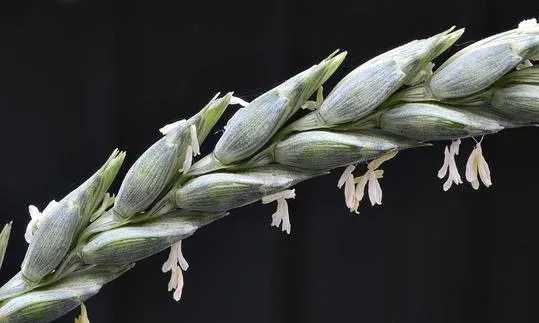
Description
Sowing dates
Durum wheat (Triticum turgidum L. subsp. turgidum) is a high-protein cereal crop primarily used for pasta production. Sowing is typically carried out as early as possible in the spring, once soil temperatures reach 5–7°C, to ensure early establishment before the onset of summer heat.
The seeding rate must be carefully calculated to achieve a target density of 4–5 million viable seeds per hectare. Precise placement at a depth of 4–6 cm is essential for promoting uniform emergence and robust root development in young plants.
Seed treatment with fungicides is a mandatory preventive step to mitigate the risk of seed-borne diseases. Using certified, high-germination seeds significantly increases the success rate during the early vegetative stages.
Modern precision planters are recommended to ensure uniform seed distribution and depth control. Even germination is crucial for uniform crop maturation, which greatly facilitates harvesting operations later in the season.
Sowing in well-prepared, firm seedbeds allows for optimal soil-seed contact. Proper field preparation helps in suppressing early-season weed competition, giving the wheat crop a significant competitive advantage.
Growing requirements
Durum wheat is particularly sensitive to climatic conditions, favoring regions with distinct seasonal changes, high sunshine intensity, and dry conditions during the grain-filling phase. It is perfectly adapted to continental climates with sufficient light.
Fertile soils, such as deep chernozems or chestnut soils, with high organic matter content are ideal. The crop performs best in soils with a pH range of 6.5 to 7.5, where nutrient uptake is optimized for the plant.
Moisture management is a critical factor for durum production. While the crop requires adequate water during the stem elongation and heading stages, excessive rainfall during grain maturation can lead to sprouting in the ear and quality loss.
Nitrogen and phosphorus management is essential for achieving the high protein content required for premium durum quality. Fertilizer application should be based on precise soil testing to meet the crop's specific needs at different growth stages.
Good soil structure is necessary for proper aeration, which supports root respiration and nutrient absorption. Avoiding soil compaction through controlled traffic and proper tillage practices is vital for long-term productivity.
Yield
Yield potential in durum wheat is heavily dependent on management practices and environmental suitability. When grown under intensive management, farmers can achieve high yields, ranging from 3 to 5 tons per hectare on average.
Factors limiting yield often include lodging, water stress, and poor nutrient availability. Modern breeding efforts have focused on shorter, more lodging-resistant varieties to improve harvestability and overall crop output.
Grain quality is measured by vitreousness and protein content, which are the primary economic drivers for this crop. Achieving superior quality requires careful monitoring of the crop throughout its physiological development.
Rotation with pulses or fallow periods is highly recommended to maintain soil fertility and break disease cycles. Returning to the same field too frequently increases the likelihood of soil-borne pathogens and nutrient depletion.
Yield monitoring and precision farming tools allow producers to optimize inputs and maximize profitability. By focusing on site-specific management, farmers can significantly increase the value of their durum harvest.
Main diseases and pests
Key diseases affecting durum wheat include fusarium head blight, rusts, and septoria leaf blotch, which can significantly damage both grain quantity and quality. Fungicide application at the right growth stage is critical for effective management.
Pests such as cereal leaf beetles, aphids, and wheat stem sawflies pose substantial threats to crop health. Regular field scouting is necessary to trigger timely insecticidal intervention and minimize economic damage.
Cultural control methods, including the use of resistant cultivars and maintaining proper spatial isolation from other cereal crops, are the first line of defense against widespread outbreaks.
Root rots remain a persistent issue when crop rotation is not practiced correctly. Protecting the root system from stress ensures that the plant remains vigorous enough to resist other opportunistic infections throughout the season.
Thrips damage during the milk stage can severely reduce the market value of the grain. Proactive management of these insects is essential to ensure that the final product meets the standards for high-end food processing.
Harvesting
Harvesting is performed by direct combining when the grain moisture content falls to 13-15%. Reaching full maturity is essential for storage stability and for minimizing energy costs during the drying process.
Prompt harvesting is vital because durum wheat is prone to shattering or falling if left in the field too long, especially during extreme weather events. Managing harvest logistics is key to protecting the yield.
Adjusting the combine harvester is a delicate process to prevent grain cracking. Because durum kernels are harder and more brittle than soft wheat, proper concave clearance and drum speed settings are essential to ensure grain integrity.
Post-harvest conditioning includes thorough cleaning to remove impurities and mechanical drying if the moisture level is above the required baseline. Proper storage in ventilated bins prevents the development of storage pests.
The field management cycle concludes with post-harvest stubble incorporation or tillage to preserve soil moisture. This practice prepares the land for the next cycle and helps in maintaining a balanced field ecosystem.