
Eastern gamagrass (Tripsacum laxum)
Tripsacum laxum Nash
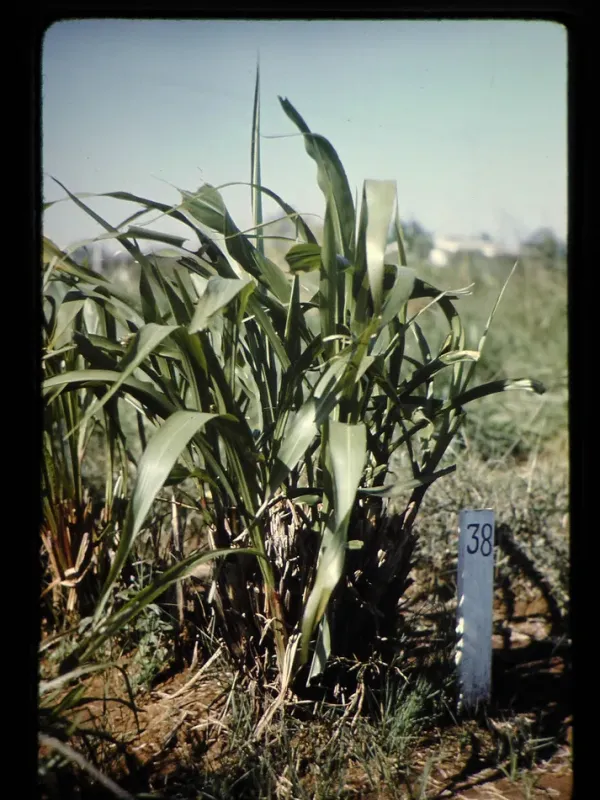
Description
Sowing dates
Tripsacum laxum is a perennial plant, meaning that sowing is a one-time investment for a long-term stand. The optimal time for establishing a plantation is early spring, once the soil has warmed up to at least 12-15 degrees Celsius, ensuring uniform germination and initial root development.
In regions with milder climates, autumn sowing is an option, though producers must be wary of the risks of frost damage to young seedlings. Proper field preparation, including deep plowing and leveling, is essential to create a favorable environment for the seeds.
Seeding rates should be determined based on seed viability and specific biological traits of the population. Row cropping is recommended with spacing of 60 to 70 centimeters, which allows for mechanical weed control in the aisles during the establishment phase.
The seeds of this crop have relatively low germination energy, so planting depth should not exceed 2-3 centimeters. Post-sowing rolling is highly recommended to improve the contact between the seeds and the soil, which is crucial for water absorption.
During the first few months, the plants develop slowly, making weed control a priority. Frequent cultivation between the rows during the establishment year is a vital agricultural practice to prevent competition from weeds and ensure the grass can thrive.
Growing requirements
Eastern gamagrass (Tripsacum laxum) is a high-yielding perennial grass belonging to the Poaceae family, originating from tropical regions of the Americas. The plant is characterized by a deep and vigorous root system that allows it to access moisture and nutrients from lower soil profiles.
The crop is heat-loving and requires specific temperature conditions for optimal growth. Ideal temperatures for active vegetation range between 25 and 30 degrees Celsius; growth significantly slows down when temperatures drop below 10 degrees.
While the plant is adaptable to various soil types, it performs best on fertile, well-drained loams or sandy loams with a neutral to slightly acidic pH. The species does not tolerate waterlogged conditions or poor drainage, which can lead to root rot.
Sufficient sunlight is a critical factor for productivity. In shaded environments, the growth rate drops, and the nutritional value of the biomass is reduced, necessitating the selection of open, sunny sites for plantation establishment.
To maintain high biomass production, consistent fertilization, especially with nitrogen, is required. Nitrogen application stimulates vegetative growth, which is the primary objective of cultivating this species for agricultural forage purposes.
Yield
Tripsacum laxum is recognized for its high yield potential in terms of green biomass, making it an excellent candidate for intensive forage production. Under favorable management practices, it can produce substantial yields annually across multiple harvests.
Yield performance is highly dependent on inputs such as irrigation and mineral nutrition. With a balanced fertilization program and adequate water supply, the productivity of the plantation can be significantly improved compared to non-irrigated stands.
The regrowth speed after mowing is impressive, often allowing for 3 to 5 cuts per season in regions with long growing periods. Managers must time their harvests carefully to ensure the grass is cut before it becomes overly lignified and loses digestibility.
Harvest is ideally performed during the early jointing or heading phase, when the nutritional content, particularly protein and soluble carbohydrates, is at its peak. This timing ensures high-quality forage for livestock.
Beyond green chop, this grass is well-suited for ensiling. Properly prepared silage serves as a high-energy feed component for livestock during the winter months, retaining most of its nutritional value if the fermentation process is managed correctly.
Main diseases and pests
Despite its inherent hardiness, the crop is susceptible to certain fungal diseases, such as leaf rust and leaf spot, particularly under high humidity conditions. Implementing good sanitation practices and maintaining proper field spacing helps to minimize the incidence of these pathogens.
Pests like aphids and leaf-chewing insects can damage the crop and reduce photosynthetic leaf area. Regular field monitoring is essential for early detection, allowing for targeted and efficient control measures if populations reach economic damage thresholds.
Soil-dwelling pests, including wireworms or white grubs, can attack the root system of young plants, hindering their establishment. Preventive measures, such as seed treatment or proper soil management, can mitigate these risks effectively.
Overall health and resilience against threats are best managed through balanced nutrition and proper crop management. A vigorous stand is inherently more capable of resisting pest attacks and recovering from environmental stress.
Crop rotation should be integrated where possible to avoid the accumulation of soil-borne diseases. A professional and vigilant approach to plant protection ensures that the plantation remains productive for many years of service.
Harvesting
Harvesting is typically conducted with forage harvesters, which cut and chop the material for immediate ensiling. Maintaining a cutting height of at least 10–12 centimeters is necessary to protect the plant's growing points and ensure rapid regrowth.
Determining the harvest date is based on the plant's phenological stage. Timely harvesting balances biomass quantity with the critical quality indicators, such as the ratio of fiber to protein, ensuring maximum animal performance.
For hay production, the thick stems of this grass require proper conditioning to ensure even drying. Rapid dehydration in the field is necessary to prevent spoilage and the leaching of nutrients due to rainfall or excessive sun exposure.
It is important to allow the plants sufficient recovery time before the onset of winter dormancy. The final cut of the season should be scheduled well in advance of the first frost to allow the plant to store energy in its root system for the next spring.
Storage of the harvested material must strictly follow silage management standards to prevent mold and spoilage. Quality control during the ensiling process guarantees a palatable and nutritious feed for livestock, minimizing dry matter losses.