
Tripsacum latifolium
Tripsacum latifolium Hitchc.
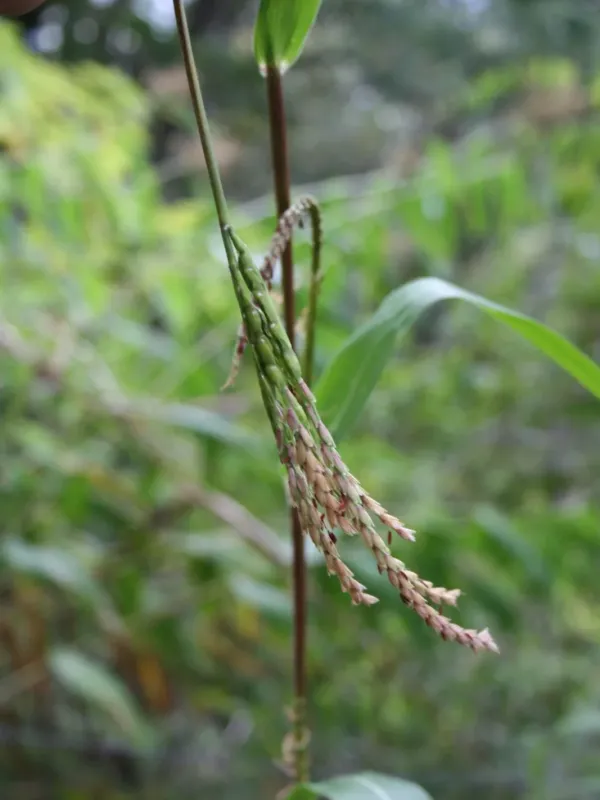
Description
Growing requirements
Tripsacum latifolium, commonly known as broadleaf tripsacum, is a perennial grass species belonging to the Poaceae family. It is botanically related to maize and teosinte, sharing similar physiological traits such as robust growth and high biomass production capacity.
The plant is native to the tropical regions of Central America, including countries like Mexico and Guatemala. Its natural distribution is characterized by warm climates with abundant rainfall, which has defined its biological adaptation to high-temperature environments.
Regarding climatic requirements, the plant thrives in tropical and subtropical zones. It is extremely sensitive to frost, which limits its commercial cultivation to frost-free regions. Adequate sunlight is crucial for maximizing its photosynthetic potential and leaf production.
In terms of soil, Tripsacum latifolium prefers fertile, well-draining soils ranging from sandy loams to heavy clays. While it demonstrates tolerance to temporary waterlogging, prolonged stagnant water can lead to root system decay and significantly reduce plant vigor.
Agronomic management begins with deep soil cultivation to ensure proper root penetration. Since it is a long-lived perennial crop, establishing a uniform plant population is essential. Weed control during the establishment phase is critical, as young plants are susceptible to competition.
Yield
The primary economic use of this species is as a high-quality forage crop for cattle and other ruminants. Due to its rapid regrowth cycle, the plant can support multiple harvests throughout the growing season, providing a reliable green biomass source.
Yield performance is highly dependent on nitrogen availability and moisture levels. Under intensive management with regular fertilization and irrigation, Tripsacum latifolium can reach impressive yield figures, often outperforming many native grass species in terms of dry matter content.
The forage is highly palatable and nutritionally valuable, particularly when harvested at the vegetative stage. Its high sugar content makes it suitable for silage production, where it serves as a stable substrate for lactic acid fermentation, ensuring excellent long-term storage.
Harvesting strategies typically involve mechanical cutting. To ensure sustainability of the forage stand, it is recommended to leave sufficient stubble height to allow for rapid regrowth from the rhizomes, which are the main energy reserves of the plant.
Economic longevity of a stand can exceed a decade with proper maintenance. Periodic nutrient replenishment and soil aeration are recommended to prevent yield decline, ensuring that the plantation remains profitable for the livestock operation over its lifespan.
Main diseases and pests
The plant is susceptible to several fungal diseases, particularly leaf rusts and various spot-inducing pathogens common in tropical grasses. These infections are often triggered by high humidity levels and poor air circulation within the canopy.
Insect pests pose a significant threat to biomass yield, with various lepidopteran species being the most destructive. Larval feeding can defoliate plants rapidly, leading to a significant loss of photosynthetic capacity and eventual plant weakness if not managed correctly.
Integrated Pest Management (IPM) is the preferred approach for maintaining plantation health. This includes selecting disease-resistant genotypes where available and maintaining optimal plant spacing to promote airflow and decrease the humidity around the foliage.
Chemical control should be used sparingly and only when economic thresholds are met. Many growers prioritize maintaining soil fertility, which naturally boosts the plant's immune response and resilience against common biotic stressors.
- Avoid planting in areas with poor drainage to prevent root infections.
- Monitor canopy density to reduce fungal growth conditions.
- Implement rotational harvesting to disrupt pest life cycles.