
Squarrose clover
Trifolium squarrosum L.
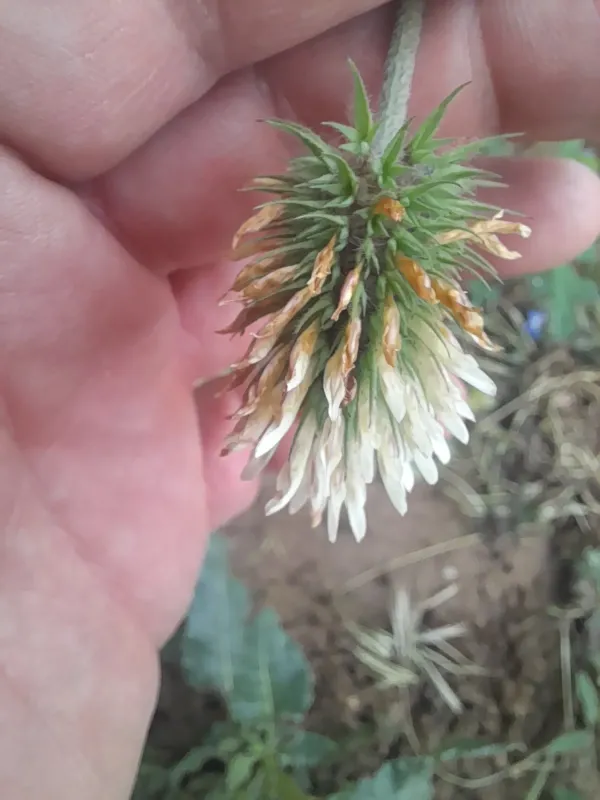
Description
Sowing dates
Squarrose clover is an annual legume that is typically sown in early spring, once soil temperatures reach 8 to 10 degrees Celsius.
Adequate soil moisture is essential for germination, so early sowing is recommended, especially in regions prone to dry spring periods.
The seeding rate generally ranges between 12 and 15 kilograms per hectare, depending on the seed quality and the sowing method used.
Seed depth should be carefully managed, typically ranging from 1 to 3 centimeters, ensuring firm contact with the soil for uniform emergence.
It is often grown in mixtures with annual cereals to improve hay quality and increase the overall dry matter yield of forage fields.
Growing requirements
Belonging to the Fabaceae family, this species thrives in well-drained loamy or sandy soils with a neutral or slightly acidic pH balance.
It requires sunny, open environments, as shaded conditions can lead to spindly growth and reduced overall biomass production.
The crop is adapted to Mediterranean climates and prefers temperatures ranging between 18 and 24 degrees Celsius for optimal development.
Proper field preparation and early weed control are vital, as the seedlings grow slowly during the initial establishment phase.
As a nitrogen-fixing plant, it improves soil fertility, making it an excellent component for sustainable agricultural rotation cycles.
Yield
Yield potential is significantly influenced by phosphorus and potassium fertilization, which promote robust root growth and nitrogen fixation.
Under favorable management conditions, the crop produces between 150 and 250 quintals of green matter per hectare, depending on local fertility.
Moisture availability during the critical stem elongation and budding phases is the most important factor for achieving maximum biomass.
The crop leaves behind significant organic material, which enhances soil structure and provides nutrients for subsequent crops in the sequence.
Focusing on balanced nutrition ensures the production of high-protein forage, which is highly beneficial for livestock nutrition programs.
Main diseases and pests
Common fungal diseases, such as powdery mildew and various rusts, can affect the crop, particularly in damp or poorly ventilated conditions.
Pests like clover weevils can cause significant damage to foliage, which reduces photosynthetic capacity and lowers the overall crop quality.
Adhering to proper crop rotation schedules is essential to break the life cycles of pathogens and minimize the need for chemical interventions.
Preventive measures include the use of treated seeds and regular monitoring for early signs of pest infestation to apply timely management strategies.
Maintaining proper plant density helps improve airflow within the canopy, which naturally suppresses the development of many moisture-loving pathogens.
Harvesting
For high-quality forage, harvesting should occur during the full flowering stage when the nutrient content of the biomass is at its peak.
Using a conditioner during mowing helps speed up the drying process and prevents the loss of nutrient-rich leaves during hay-making.
Delaying harvest can lead to stem lignification, which reduces digestibility and significantly decreases the forage value for animals.
When grown for seed production, harvesting should begin as soon as the seed heads turn dark and dry to prevent excessive shattering.
Efficient handling and storage of the harvested material are critical to prevent moisture-related spoilage and maintain high feed quality.