
Trifolium nigrescens
Trifolium nigrescens Viv.
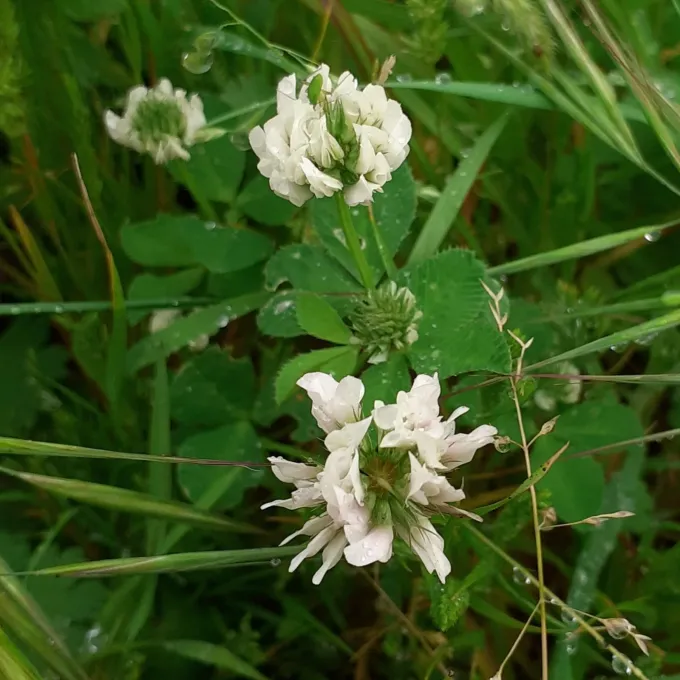
Description
Sowing dates
Trifolium nigrescens, commonly known as black-head clover, is an annual legume valued for its nutritive quality in forage production. It belongs to the Fabaceae family and is characterized by its rapid growth cycle and high biomass potential.
Sowing typically occurs in the autumn or early spring, depending on the specific Mediterranean or temperate climate. The seeds should be sown at a shallow depth of 1–2 cm to ensure optimal germination and emergence.
A well-prepared seedbed is essential for this species. The soil should be finely pulverized and compacted after sowing to ensure proper seed-to-soil contact, which facilitates the uptake of moisture during the germination process.
In temperate zones, it is often sown as part of a mixture with grasses to improve the quality of hay and pasture. Seeding rates are adjusted based on the intended use, typically ranging from 10 to 12 kg per hectare in pure stands.
The plant demonstrates good adaptability to various cropping systems, often used in short-term leys to improve soil nitrogen levels through its symbiotic relationship with rhizobia bacteria.
Growing requirements
Trifolium nigrescens thrives in warm, temperate environments. It prefers well-drained soils and is generally intolerant of prolonged waterlogging, which can cause root damage and inhibit nitrogen fixation.
The soil pH should ideally be neutral or slightly acidic. On highly acidic soils, liming is recommended to optimize the activity of nitrogen-fixing bacteria and ensure robust plant growth.
Temperature plays a vital role in its phenology; the species prefers mild winters and warm springs. It can tolerate some drought, but its development is significantly stunted in prolonged heatwaves with low precipitation.
As a sun-loving plant, Trifolium nigrescens performs best in open conditions with high solar radiation. Intercropping with taller species should be managed carefully to avoid shading, which significantly impacts photosynthetic capacity.
Fertilization with phosphorus and potassium is beneficial, especially in soils with low baseline fertility, to support the energy-intensive process of nitrogen fixation and overall structural development.
Main diseases and pests
Disease pressure is often linked to environmental conditions. High humidity levels during the growing season can trigger the development of powdery mildew and various leaf spot pathogens, which reduce the total yield.
Pest infestations, particularly by weevils and aphids, can cause significant damage to the foliage and flower heads, undermining both biomass yield and potential seed harvest.
Management strategies focus on prophylactic measures such as selecting resistant cultivars, rotating crops to prevent soil-borne pathogen buildup, and ensuring adequate plant spacing to facilitate airflow.
Biological control methods are becoming increasingly popular in the management of legume pests, encouraging the presence of natural predators to suppress aphid and beetle populations effectively.
Harvesting timing is also a component of pest management; timely cutting can prevent the life cycle completion of certain pests, reducing their impact on subsequent regrowth cycles.