
Bur clover
Trifolium lappaceum L.
Description
Sowing dates
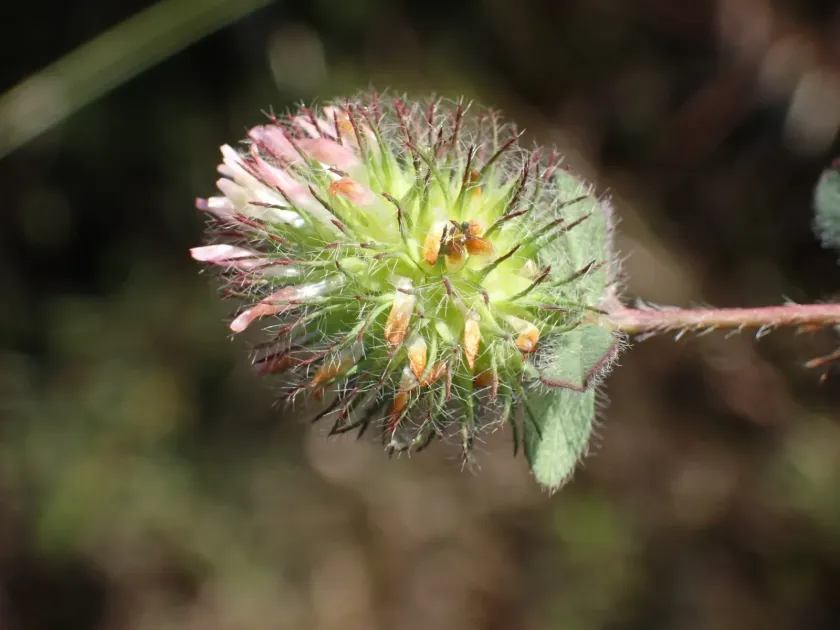
Bur clover is an annual legume species belonging to the Fabaceae family. Known for its distinct burr-like flower heads, it serves as a valuable forage crop in Mediterranean climates and similar regions.
Sowing should take place in early autumn or late winter, depending on regional temperature patterns. Seeds must be sown at a shallow depth of approximately 1 to 2 centimeters to ensure optimal emergence.
Seedbed preparation requires a fine, weed-free environment. Since the seeds are relatively small, soil contact is essential for successful germination and early establishment of the root system.
Inoculation with specific Rhizobium strains is highly recommended to promote nitrogen fixation. This practice is crucial for the nutritional value of the clover and its overall biomass production.
Adequate plant spacing is necessary to minimize competition between individual plants. Proper density ensures that each plant receives sufficient nutrients and light for full development.
Growing requirements
This crop thrives in areas with mild winters and hot, dry summers. Its ability to tolerate drought conditions makes it an excellent choice for improving pastures in semi-arid environments.
It prefers well-drained, neutral to slightly alkaline soils. While it adapts to various soil types, it performs best when provided with sufficient sunlight and minimal competition from other species.
The plant is highly photosensitive and requires full exposure to sunlight throughout its growing cycle. Shady conditions will significantly stunt its growth and reduce seed yield.
Temperature range for optimal growth is between 15°C and 25°C. It is hardy enough to survive moderate temperature fluctuations, reflecting its origin in diverse steppe landscapes.
Soil nutrient status should be monitored, although its status as a legume allows it to improve soil nitrogen levels through its symbiotic relationship with soil bacteria.
Main diseases and pests
Common fungal diseases, including powdery mildew and rust, can affect the crop under humid conditions. These diseases manifest as foliage spots and white fungal growth, reducing forage quality.
Pests such as pea weevils and various aphid species represent the main threats to field productivity. They can cause significant damage to the plant tissue if left uncontrolled.
Prevention relies heavily on proper field management, including the rotation of crops and ensuring that fields are well-drained to avoid water stagnation and root diseases.
Early detection of pest outbreaks is vital. Regular scouting during the vegetative stage allows for effective intervention before the infestation reaches economic thresholds.
Healthy plants are more resilient to stress. Therefore, maintaining optimal soil fertility and avoiding overcrowding are primary cultural practices to minimize susceptibility to threats.