
Clustered clover
Trifolium glomeratum L.
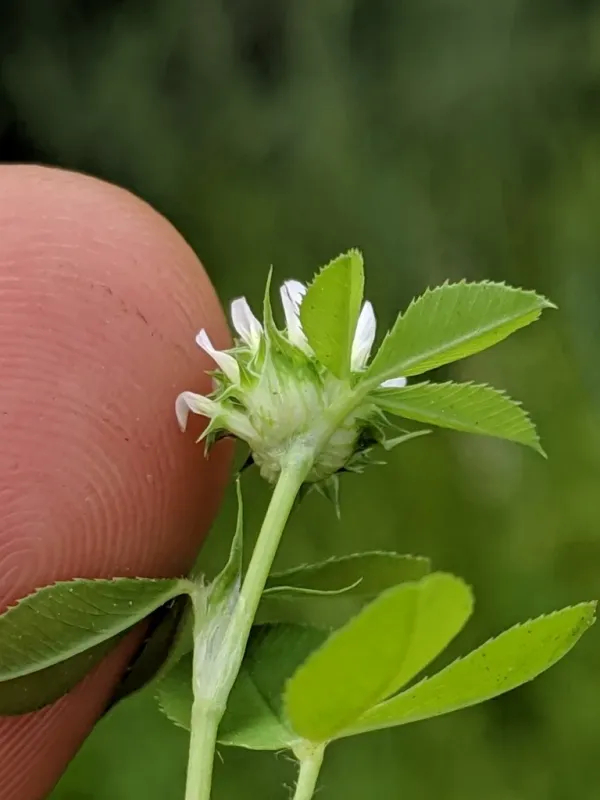
Description
Sowing dates
Clustered clover is an annual legume species that thrives when sown in early spring, once the soil has sufficiently warmed to support germination.
In regions with Mediterranean climates, autumn sowing is also a viable option to leverage winter moisture for early spring growth and establishment.
The sowing rate should be carefully managed, aiming for 10–12 kg per hectare, ensuring an even distribution across the field to promote optimal canopy density.
Given the small size of the seeds, planting depth must be strictly limited to no more than 1 cm to allow the seedlings to emerge without exhausting their stored reserves.
Using a seed drill followed by light rolling is the recommended practice to ensure excellent seed-to-soil contact, which is vital for successful field emergence.
Growing requirements
This clover variety is well-suited to well-drained soils, showing remarkable resilience in both sandy and loamy conditions where other legumes might struggle.
It prefers sunny, open environments and does not compete well when heavily shaded by taller grass species in a mixed pasture setting.
Optimal growth occurs in pH-neutral soils, though the plant exhibits tolerance to a range of soil types if they are adequately aerated and not waterlogged.
While clustered clover is drought-tolerant, its yield is significantly improved with consistent moisture during the vegetative phase and mild temperature levels.
Maintaining proper fertility, particularly with phosphorus supplementation, encourages vigorous root development and enhances the nitrogen-fixing capability of the plant.
Yield
Clustered clover is highly valued for its contribution to pasture nutritional quality, providing a high-protein diet for livestock throughout its growing season.
By fixing atmospheric nitrogen, this legume significantly improves soil fertility, acting as a natural green manure for subsequent crops in a rotation cycle.
The yield of biomass is consistent, provided the plant is managed in a way that prevents overgrazing and allows for sufficient recovery time after defoliation.
In seed production scenarios, the crop demonstrates good yield potential, allowing farmers to maintain their own supplies for future planting seasons.
The overall productivity is best utilized in integrated grazing systems, where the plant can re-seed itself naturally if managed properly by farmers.
Main diseases and pests
The most common threats to clustered clover include root rots which primarily develop in poorly drained soils or areas experiencing prolonged waterlogging.
Leaf-feeding insects, specifically weevils, can cause significant damage to young seedlings, potentially reducing the overall stand density early in the season.
Fungal pathogens causing leaf spots may occur in environments with high humidity and poor air circulation, particularly in densely grown patches.
Implementing integrated pest management practices, such as crop rotation and avoiding over-fertilization with nitrogen, is key to minimizing these threats.
Regular field scouting is essential for early detection of pest or disease outbreaks, allowing for timely intervention and crop protection measures.
Harvesting
Harvesting for forage is most effective when the plants are in full bloom, ensuring the highest concentration of protein and minerals for livestock consumption.
Mechanical harvesting requires precise height adjustment to avoid picking up soil and contaminants, which could compromise the quality of the fodder.
When producing hay, careful handling is necessary to retain the nutrient-rich leaves, which are prone to shattering if dried too aggressively in the field.
Seed harvest is conducted using combines with specific settings for small-seeded crops to minimize waste and ensure high purity of the final product.
Residual biomass left after harvest serves as a natural mulch, protecting the soil surface and recycling essential nutrients back into the ecosystem.